

Sacramento, California – City and County officials in Sacramento recently joined forces with specialists from the Urban Land Institute to examine new ways of shielding residents from the growing threat of extreme heat.
The collaboration unfolded through a Technical Assistance Panel, or TAP, an intensive working process designed to translate climate policy goals into practical actions on the ground.
The effort supports objectives outlined in the city’s Climate Action & Adaptation Plan, which aims to address rising temperatures by reshaping the built environment. City leaders are exploring how infrastructure, building design, and urban greenery can reduce the amount of heat absorbed by streets, sidewalks, and rooftops, surfaces that often trap warmth and intensify hot conditions across neighborhoods.
Bruce Monighan, the Urban Design Manager with the Community Development Department, described extreme heat as one of the most immediate climate challenges confronting the region. He said the panel’s work helped transform existing policy direction into tangible strategies that can be applied through planning and development decisions.
The TAP gathered experts from a wide range of disciplines, including land use planning, urban design, landscape architecture, development, and climate resilience. Over several days, participants met with city staff, community partners, and stakeholders to examine local conditions and identify areas most vulnerable to heat exposure.
Panelists also toured locations across Sacramento where concrete and asphalt dominate the landscape, creating pockets of intense heat. Those site visits, along with briefings and interviews, helped inform discussions about possible improvements to planning tools and design standards.
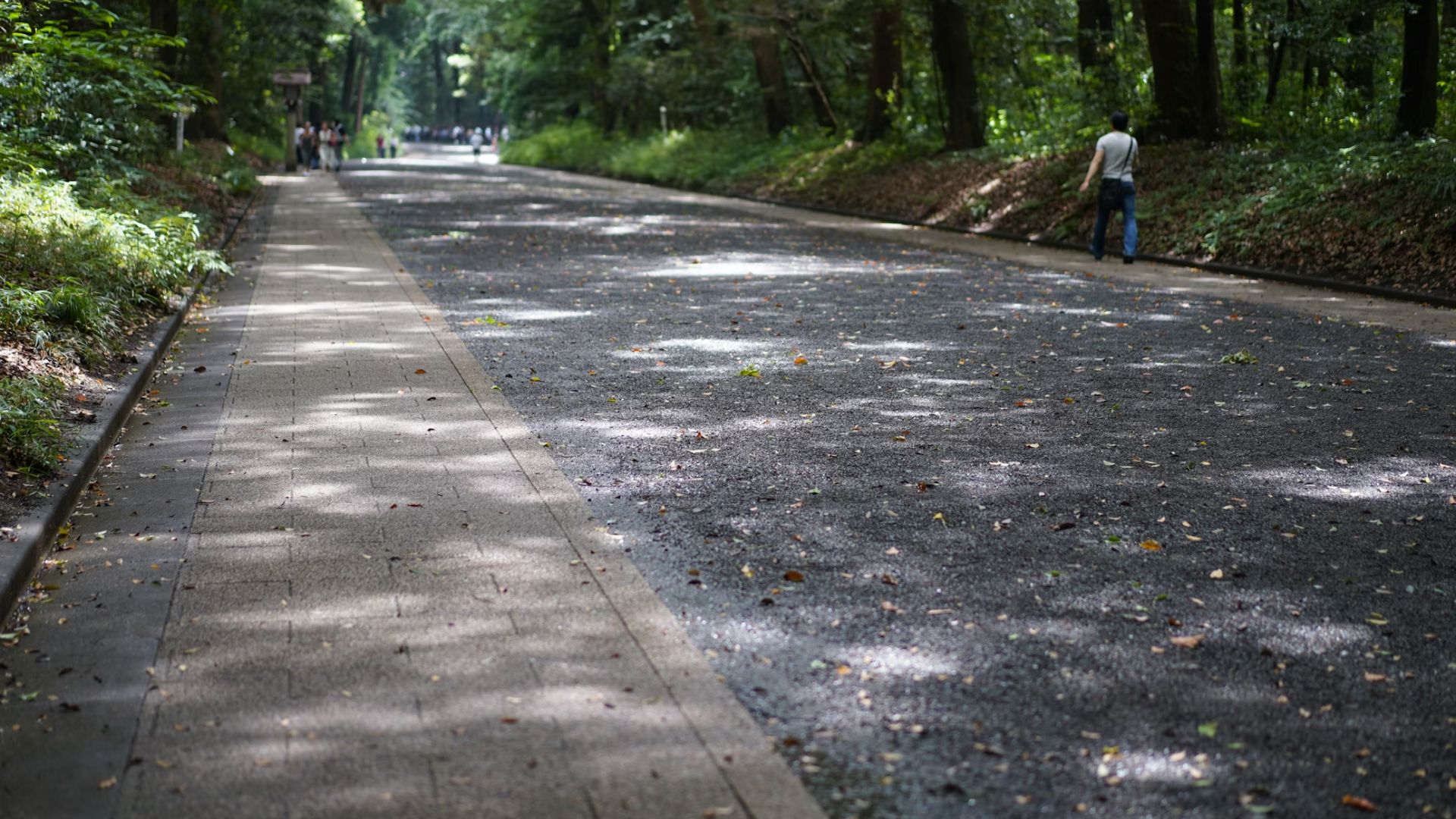
Among the strategies explored were expanding tree canopy in neighborhoods that currently lack shade, incorporating reflective or heat-reducing materials into buildings, and creating more shaded pathways for pedestrians. The panel also emphasized the importance of cooler transit stops and public gathering spaces where residents can find relief during hot weather.
Another focus involved weaving heat-resilience measures into zoning codes and design guidelines so that future development automatically incorporates cooling features.
The process concluded with a public presentation outlining targeted recommendations. Key themes included prioritizing investments in communities most affected by extreme heat, embedding shade and cooling requirements into development policies, and strengthening coordination between the City and County to align funding and implementation.
The final TAP report, published in January 2026, is available on the project’s webpage. City staff are scheduled to present its findings to the Planning and Design Commission on March 12 as Sacramento continues advancing its climate adaptation efforts.