
Sacramento, California – A fight over whether one of the nation’s main financial watchdogs could be left without operating money has ended, for now, with a federal court ordering its leadership to seek the funding Congress provided for the agency.
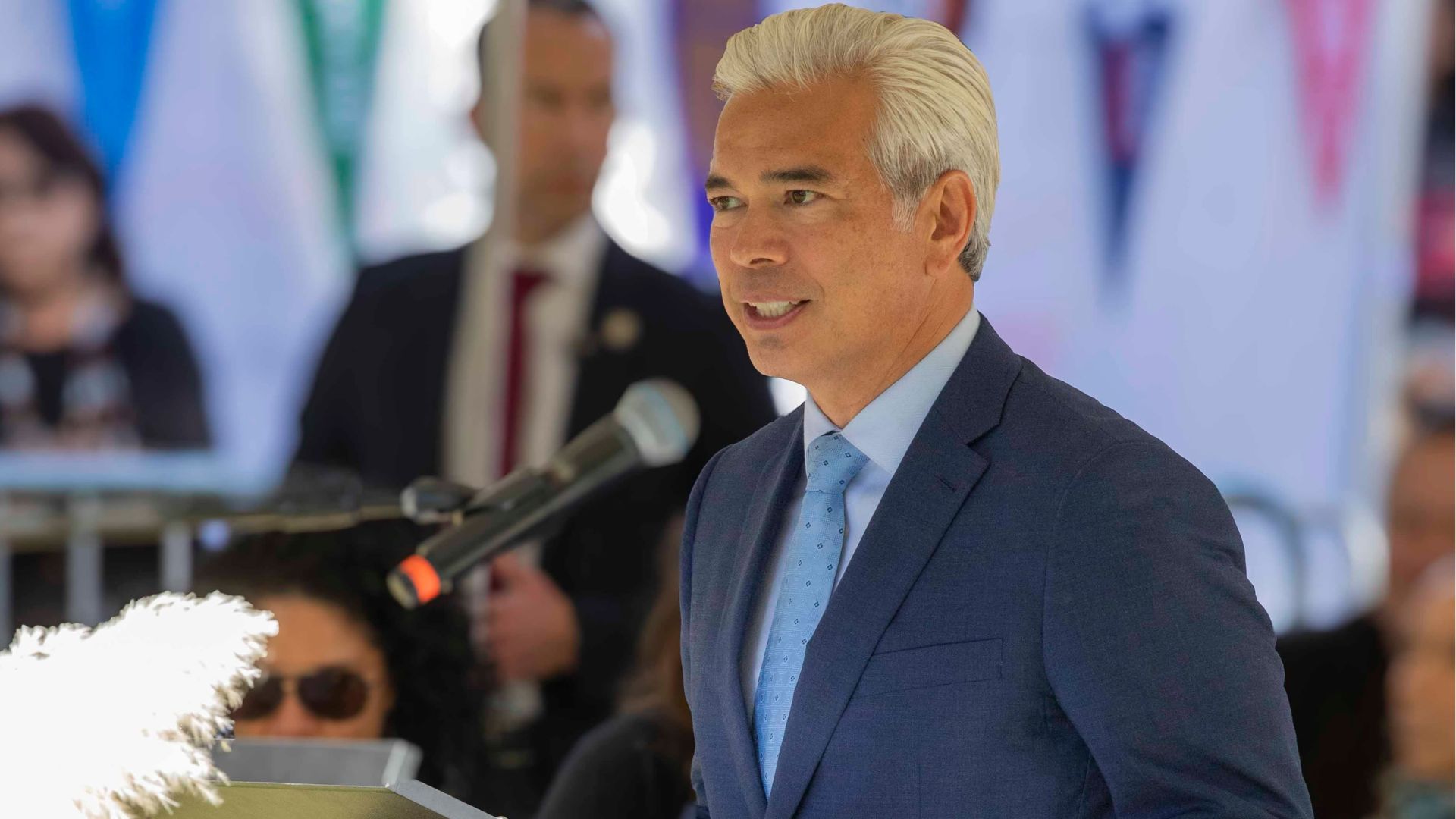
California Attorney General Rob Bonta called the ruling a major victory for consumers, saying the decision prevents the Consumer Financial Protection Bureau from being financially sidelined while it carries out duties involving banks, debt collectors, credit reporting companies and other parts of the consumer finance market.
The decision from the U.S. District Court for the District of Oregon requires CFPB Acting Director Mark Paoletta to request necessary funding from the Federal Reserve. The court found that former Acting Director Russell Vought’s refusal to seek funding was unlawful and violated the Constitution’s separation of powers. The ruling largely resolves a case brought by Bonta and a coalition of 22 attorneys general, although an appeal remains pending.
“Today, we celebrate a giant win for consumers,” Bonta said. He argued that continued funding is necessary for the CFPB to protect families from unfair, deceptive and abusive financial practices.
The dispute developed after the CFPB gave notice in November 2025 that it would not request additional Federal Reserve funding. That position relied on a Justice Department legal analysis asserting that the bureau could not draw money from the Federal Reserve while the central bank was “unprofitable.”
Bonta and other state attorneys general challenged that interpretation in a lawsuit filed in December 2025, arguing that cutting off CFPB funding would prevent the agency from carrying out responsibilities required by federal law. Among their concerns was the continued operation of the bureau’s consumer complaint system.
The funding fight was part of a broader dispute over the CFPB’s direction under the Trump administration. According to California’s Department of Justice, federal officials had suspended agency work, terminated probationary employees and sought large workforce reductions, including an attempted reduction affecting roughly 90% of CFPB employees. Courts blocked that workforce action.
The CFPB has operated for about 14 years as a federal regulator and consumer-protection agency and has also worked alongside state attorneys general and banking regulators.
With the Oregon court’s order, the bureau’s leadership must continue seeking the funds needed to perform its legally required functions while any further appeal moves forward. For Bonta and the other states involved, that requirement was the central objective of the case: keeping the CFPB funded rather than allowing its operations to stop through a refusal to request money.