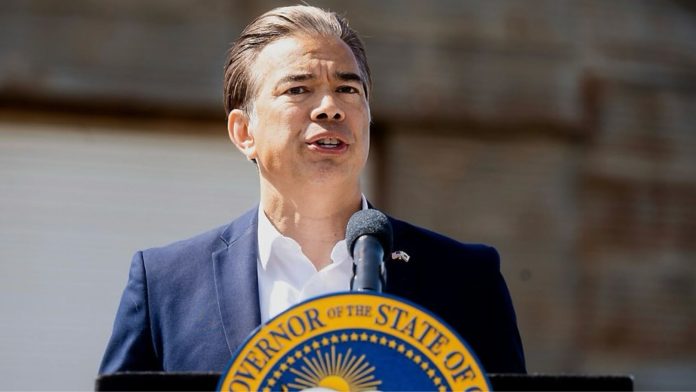

Sacramento, California – A growing clash over the direction of federal environmental policy is taking shape as California Attorney General Rob Bonta, joined by a coalition of attorneys general from across the country, presses the U.S. Environmental Protection Agency to reverse a controversial shift in enforcement strategy.
In a formal letter sent to EPA Administrator Lee Zeldin, Bonta and attorneys general from 12 other states raised alarm over a December 2025 policy memo known as “Compliance First.” While the policy is framed as an effort to encourage cooperation from regulated industries, the coalition argues it would, in practice, slow enforcement actions and weaken the federal government’s ability to hold polluters accountable.
Bonta described the stakes in direct terms, warning that any retreat from strong enforcement could carry real consequences for public health. He emphasized that communities already facing environmental burdens would be hit the hardest if oversight falters and violations go unchecked.
At the center of the dispute is concern over how the policy reshapes the enforcement process. According to the attorneys general, the “Compliance First” approach introduces additional layers of internal review, allowing companies accused of violations to challenge actions in ways that could delay investigations. Those delays, they argue, risk giving polluters more time to continue harmful practices before corrective measures are enforced.
Equally troubling to the coalition is what they describe as a shift away from key enforcement tools. The memo discourages the use of penalties, court-ordered remedies, and supplemental environmental projects, mechanisms long used to both deter violations and repair environmental damage. Without these tools, the attorneys general contend, regulators may find it harder to secure timely compliance or meaningful accountability.
The letter also takes aim at the EPA’s recent Enforcement and Compliance Annual Results Report. The coalition argues that the report presents a misleading picture of agency performance, claiming it highlights selective data while overlooking broader declines in enforcement activity. They further contend that the report credits current leadership with achievements that originated under a previous administration.
Beyond procedural concerns, the attorneys general point to the broader implications of weakened federal oversight. Pollution does not respect state boundaries, they note, and inconsistent enforcement at the federal level can undermine efforts by individual states to protect air and water quality. For states downstream or downwind, reduced enforcement elsewhere can translate directly into increased environmental and health risks.
The coalition also underscores the uneven impact such changes could have across different communities. Delays in enforcement, they warn, would likely intensify pollution in areas already facing disproportionate exposure, particularly low-income neighborhoods, rural regions, and communities of color. Increased emissions or discharges, even over short periods, could compound existing environmental and health challenges.
Attorneys general from New York, Massachusetts, Washington, Connecticut, Delaware, Hawai’i, Illinois, Maryland, Minnesota, Oregon, Rhode Island, and Vermont joined California in signing the letter, reflecting a broad, multi-state pushback against the policy direction.
Together, they are urging the EPA to withdraw the “Compliance First” memorandum and restore enforcement practices that balance cooperation with firm accountability. In their view, maintaining that balance is not optional but essential, both for protecting public health and ensuring that environmental laws carry real weight across the nation.