

Sacramento, California – The words landed with quiet authority, then gave way to something far louder. Applause filled the Sacramento County courtroom as a milestone unfolded, one that blended relief, pride, and the promise of what comes next. With a simple declaration from the bench, a year-long journey reached its turning point, marking the first graduation from the county’s CARE Court program.
At the center of that moment stood Lorenzo Leon, surrounded by the people who had walked beside him through each step, his mother, his care team, and the professionals who helped guide him forward. The room held more than a dozen supporters, each bearing witness to what persistence, structure, and support can achieve when aligned with a shared goal.
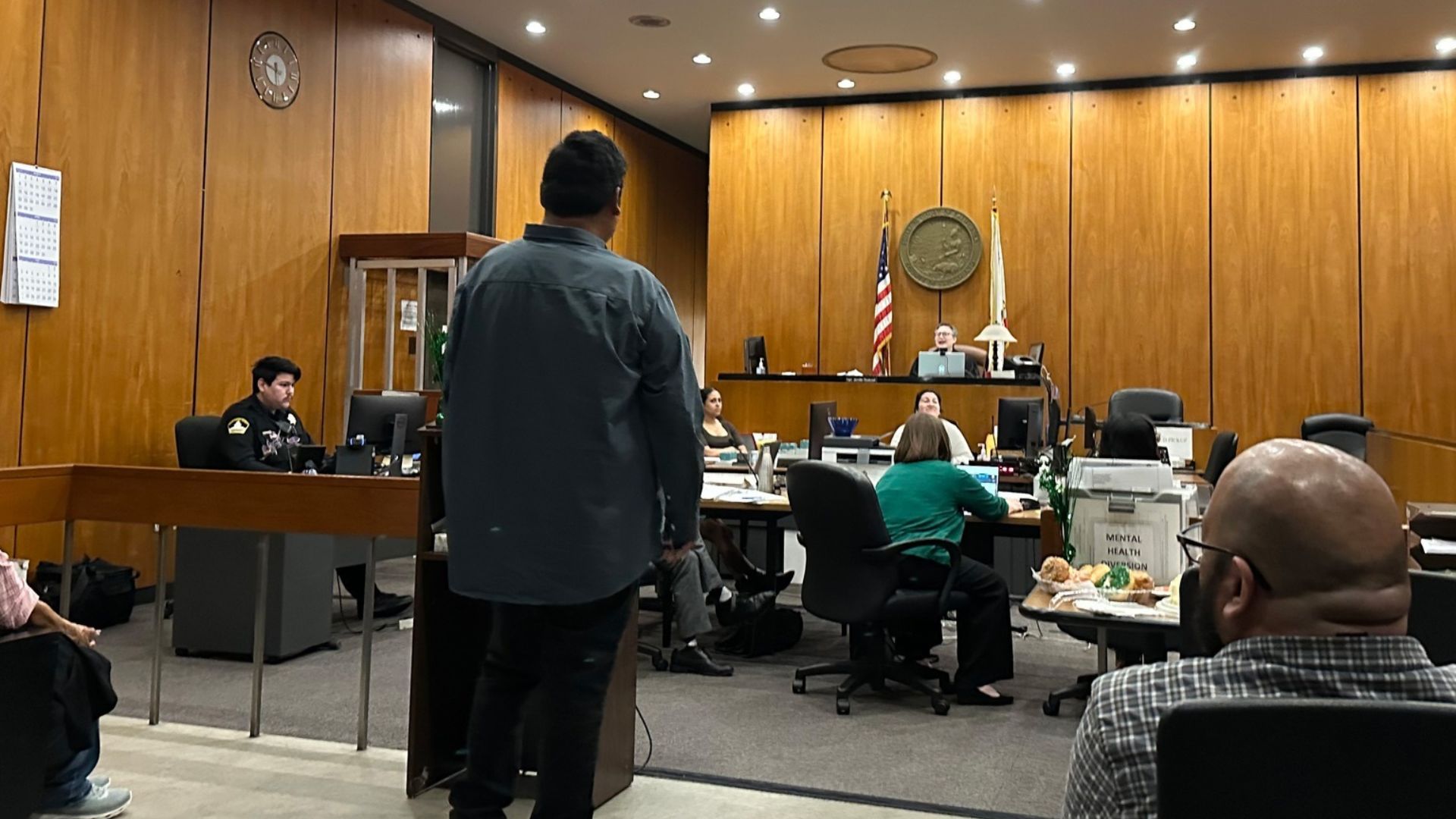
CARE Court, short for Community Assistance, Recovery and Empowerment, is designed to reach individuals living with untreated severe mental illnesses, including schizophrenia and bipolar I disorder. Rather than relying on traditional pathways, the program brings together court oversight and community-based care, creating a structured plan that connects participants with treatment, services, and housing. It is both a framework and a lifeline, aimed at building stability where it may have once felt out of reach.
For Lorenzo, that framework became something tangible. Over the course of a year, he remained engaged with treatment, worked closely with county staff and service providers, and leaned on the steady presence of his family. The result was not just completion of a program, but the rebuilding of daily life, housing secured, care maintained, and direction restored.
Those who supported him spoke openly during the ceremony, reflecting on the effort behind the achievement. Judge Lawrence Brown, who oversaw the case, recalled early uncertainty from Lorenzo’s family. There had been doubt, hesitation about whether the process would truly make a difference. But over time, that doubt shifted. Progress became visible. Trust followed.
That transformation, Brown noted, was as meaningful as the outcome itself. He described witnessing the moment Lorenzo’s mother began to see the results of the collective effort, calling it an honor to observe the journey unfold. Even in celebration, there was a sense that this moment extended beyond one individual, setting a precedent for others who may follow a similar path.
Sacramento County Behavioral Health Director Ryan Quist encouraged Lorenzo to take in the room around him, not just as a backdrop for the day’s event, but as an ongoing network of support. The message was clear: graduation is not an ending, but a continuation, with people still present, still invested, still ready to help.
For Lorenzo’s mother, the moment carried its own weight. Gratitude surfaced alongside pride as she reflected on the persistence of those who refused to give up, even during difficult stretches. She spoke of a county staff member who continued to seek out her son when he pulled away, bringing him back into the fold each time. That consistency, she said, made all the difference.
As the formalities gave way to a quieter celebration, cake, cards, and shared smiles, the significance of the day settled in. It was not only about completing a program. It was about what had been built along the way, and what could now begin.
In a courtroom often associated with conflict or consequence, this moment stood apart. It carried a different kind of resolution, one rooted in care, commitment, and the belief that change is possible when the right support meets the right moment.