

Sacramento, California – Sacramento’s long-range vision is beginning to take visible shape in new buildings, preserved history, improved access to parks and food, and a growing shift toward cleaner homes and vehicles.
City staff recently presented annual reports on the 2040 General Plan and the Climate Action & Adaptation Plan, outlining progress made during the first two years of work tied to the plans. Together, the reports show how Sacramento is attempting to guide growth while also responding to climate pressures, equity concerns and the everyday needs of residents.
The plans are closely connected. One focuses on where and how the city grows; the other tracks efforts to reduce climate pollution and prepare neighborhoods and public systems for changing conditions. Both are intended to move Sacramento toward development that is more sustainable, more inclusive and better prepared for the future.
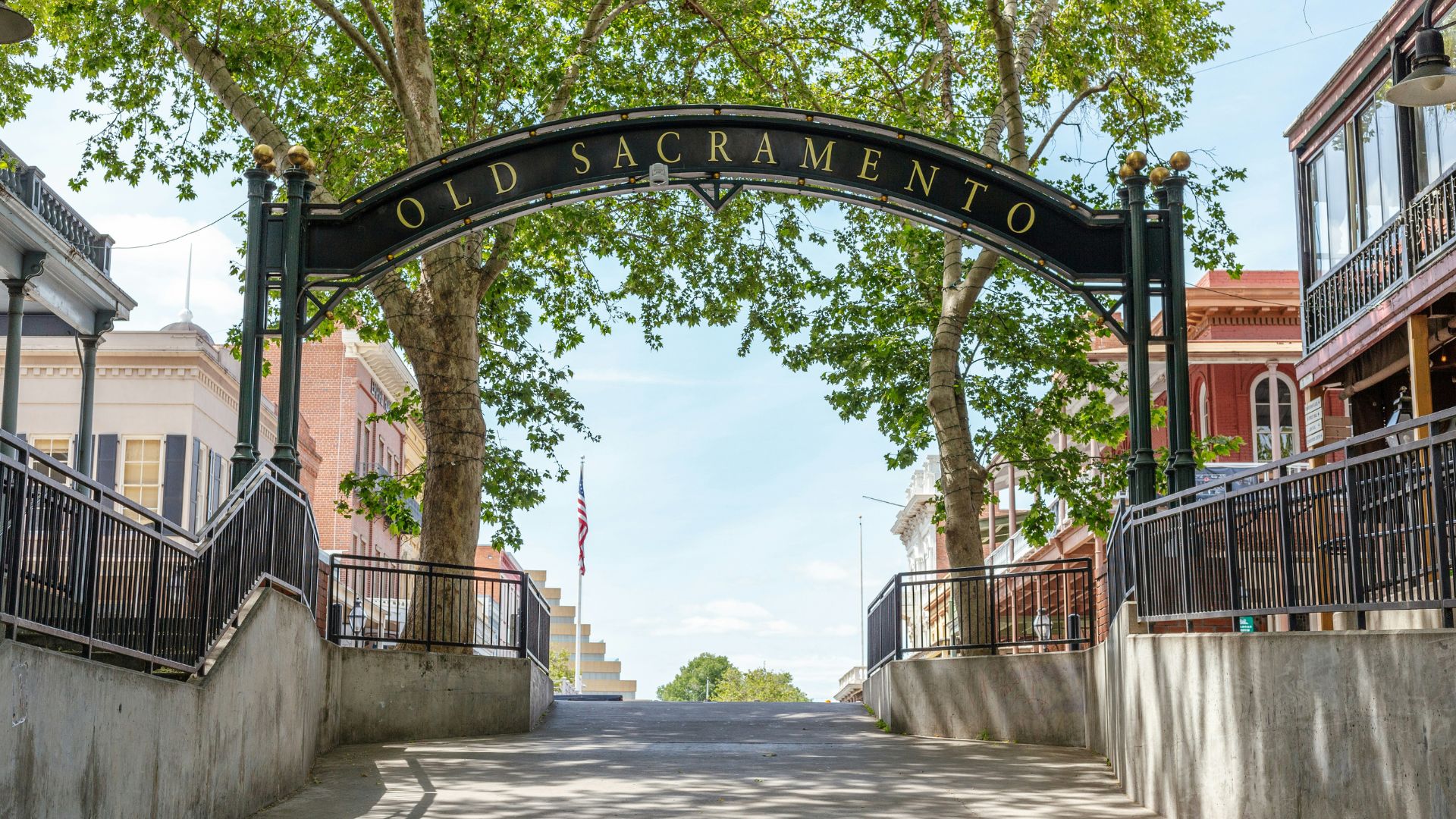
“Putting together these annual reports reminds us to celebrate the work we have accomplished, but also helps us see where more work is needed and keeps us focused on Sacramento’s vision to be a model of sustainable and equitable growth,” Senior Planner Amy Yang said.
Read also: Sacramento program gives pets vaccines, microchips and a safer path back home
Adopted in February 2024, the 2040 General Plan established a framework for Sacramento’s future development. In the period covered by the annual report, city staff began putting that framework into practice through projects and programs centered on infill development, livability, equity and neighborhood identity.
Among the most visible completed projects was Channel 24, an entertainment venue developed through infill construction. Infill development uses vacant or underused properties and existing structures within the city rather than expanding outward. The annual report noted that most residential and non-residential construction has occurred in areas where the General Plan seeks to encourage this kind of growth.
The city also created and implemented its Small Developer Incubator Program, designed to support small-scale housing developers working in Sacramento. The effort adds another tool for increasing housing opportunities while encouraging development within established parts of the city.
Read also: Sacramento contractors gain faster inspection path through camera-based appointments
History and community identity were also part of the year’s work. Sacramento adopted the Historic Landmark Designation for the New Helvetia Historic District, recognizing the area for its 1940s public housing architecture and its significance in African American history. The designation reflects a broader goal within the General Plan: growth that does not overlook the people, places and stories that shaped the city.
The report further highlighted increased access to healthy food retailers in disadvantaged areas, along with an improvement in Sacramento’s overall park accessibility score from the Trust for Public Land. These gains speak to a wider view of development, one that considers not only new construction, but also whether neighborhoods offer residents access to essential services, open space and a stronger sense of place.
While the General Plan report examined how Sacramento is building and evolving, the Climate Action & Adaptation Plan annual report focused on the city’s environmental direction. The report tracked work by city departments and partner agencies to reduce climate pollution from buildings, transportation, energy systems and municipal operations, while also preparing Sacramento for current and expected climate impacts.
Read also: Sacramento cuts street homelessness nearly in half since 2022, new count shows
Extreme heat emerged as one important area of attention. The city participated in the Urban Land Institute Technical Assistance Panel to help shape efforts aimed at reducing heat-related impacts. Sacramento also adopted several implementation plans connected to resilience and mobility, including the Urban Forest Plan, the Streets for People Active Transportation Plan and the SacAdapt Transportation Infrastructure Adaptation Plan.
Transportation trends provided another sign of movement. Zero-emission vehicles accounted for 25 percent of new car sales in Sacramento County, slightly above the statewide rate. City staff described that figure as an indication that transportation decarbonization continues to gain ground locally.
New housing construction is also showing a strong turn toward electricity rather than fossil fuel use. In 2025, more than 80 percent of newly built single-family homes in Sacramento were all-electric. More than 90 percent of newly constructed accessory dwelling units, commonly known as ADUs, were built all-electric as well.
“The City continues to build momentum on its climate efforts, building on broad community leadership and drawing on interdepartmental and interagency partnerships to create a path to a sustainable and prosperous future,” Senior Planner Victor Randall said.
“We are pleased to see progress in energy efficiency and forward thinking when it comes to extreme heat in Sacramento.”
The annual reports do not mark the end of the city’s work. Instead, they serve as checkpoints, showing where Sacramento has advanced and where continued attention will be needed as growth continues and climate challenges become more pressing.
Residents can learn more by reviewing the City Council presentation from May 26 and annual progress reports available through the City of Sacramento’s 2040 General Plan and Climate Action & Adaptation Plan webpages.