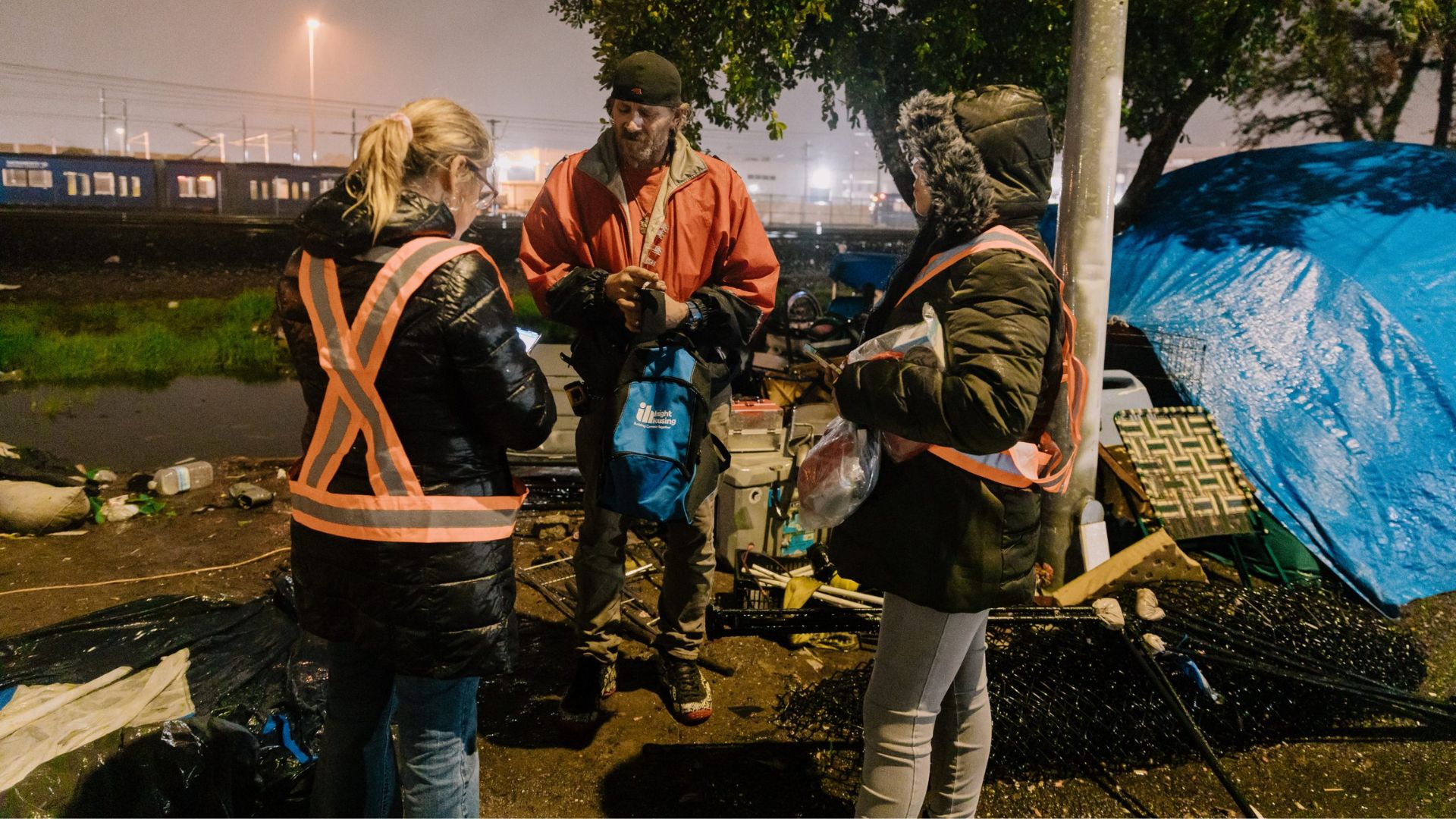

Sacramento, California – Along the American River, the Sacramento River, Steelhead Creek, Arcade Creek and smaller tributaries, the evidence is often visible before any budget document is opened.
A mattress caught in brush. A shopping cart half-buried in mud. Plastic wrapped around vegetation.
Tires too heavy for one person to move. Needles, bottles, broken furniture, construction debris and the remains of abandoned camps scattered close to places where families walk, cyclists ride and wildlife move through narrow ribbons of habitat.
Much of that mess does not disappear because of a large new government program. It disappears because volunteers show up.
In Sacramento, that point matters more now because the city is again trying to balance what it can afford, what it must protect and what residents can still expect from public services. The proposed city budget for fiscal year 2026-27 totals about $1.7 billion and closes a reported $66.2 million General Fund gap through restorations, internal savings and targeted reductions.
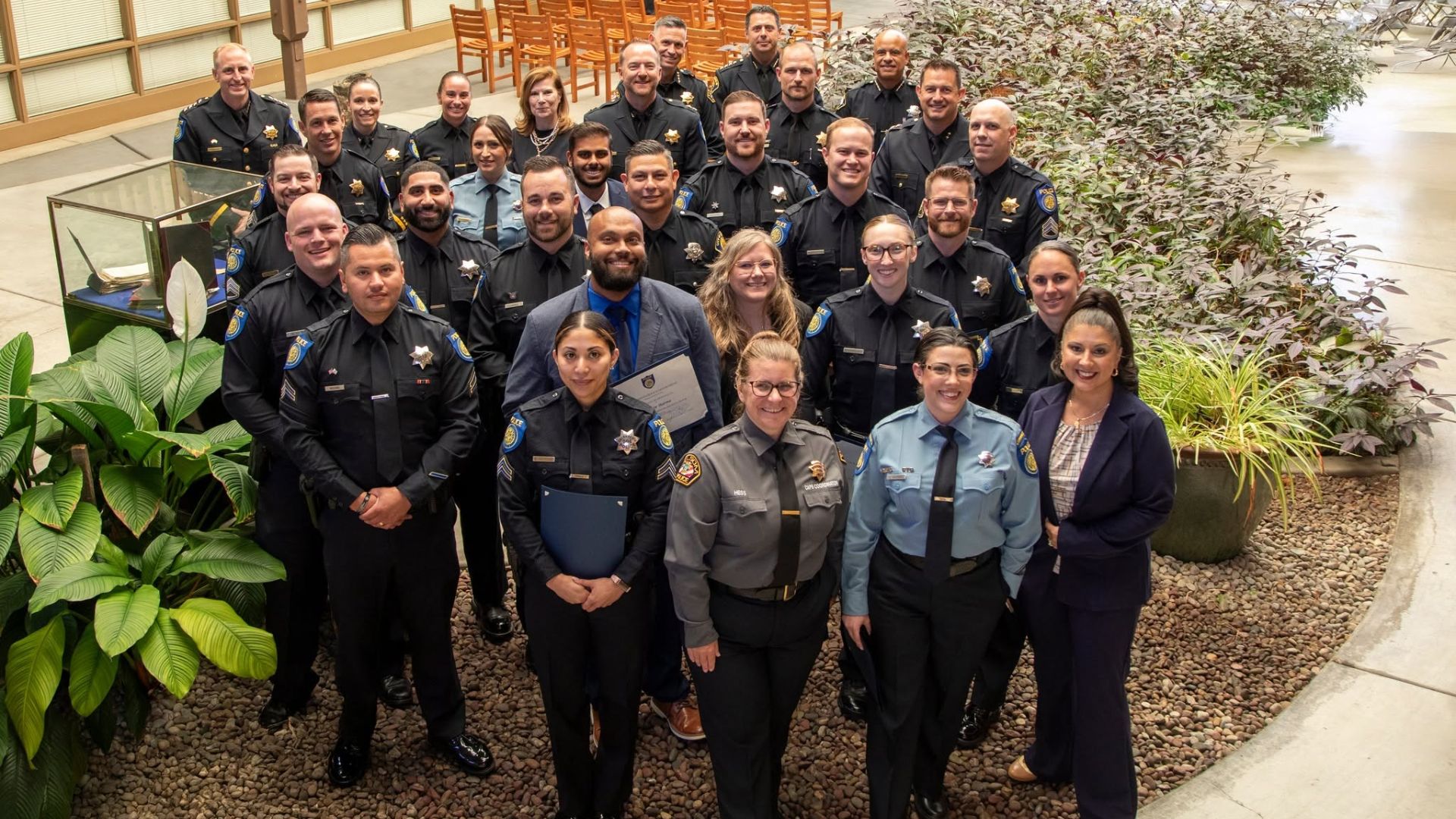
At the same time, police spending has continued to rise, with the police budget moving toward roughly $255.7 million or more, even as reported crime rates have fallen over the past decade and sworn officer positions have dropped from 740 to 699, according to Sacramento News & Review.
That is one side of the ledger.
The other side sits on the riverbank.
Parks maintenance, youth programs and related services have faced pressure during the budget process, including proposed reductions affecting filled parks positions, according to CapRadio. Some restorations were later included in the final adopted direction, but the debate made the strain clear: Sacramento is making choices under pressure.
At the same time, homelessness has grown. The 2026 Sacramento Point-in-Time Count found 7,458 people experiencing homelessness across Sacramento County, a 13% increase from 2024, with unsheltered homelessness rising notably. That data, published by Sacramento Steps Forward, does not just describe a housing crisis. It also helps explain why waterways, trails and public spaces remain under constant stress.
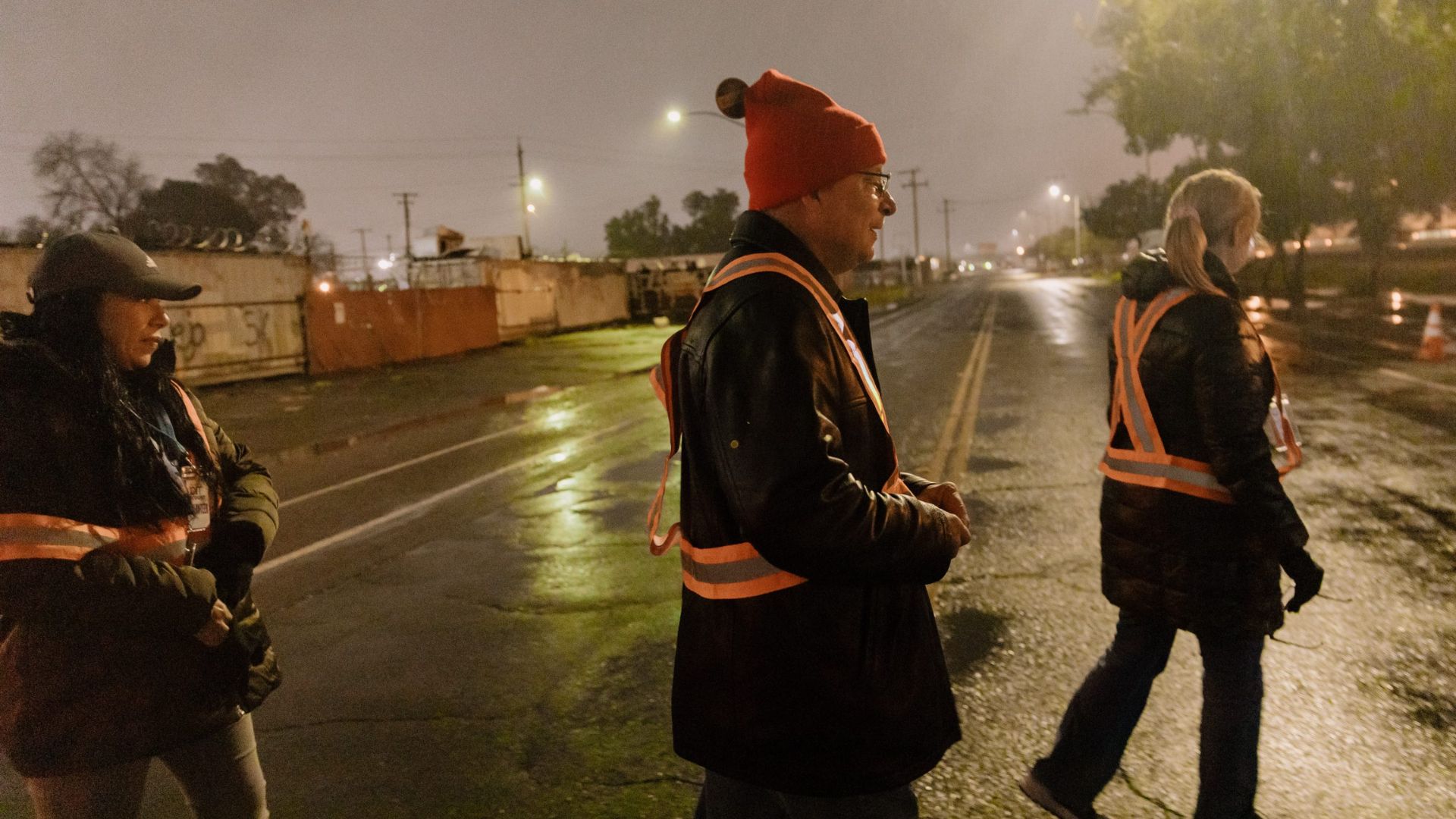
This is where Sacramento’s senior volunteers and grassroots cleanup groups become more than a feel-good story. They are part of the region’s hidden civic infrastructure. Their work has measurable value. It protects access to rivers. It reduces trash loads. It supports parks, wildlife habitat, water quality and flood control. It also quietly absorbs costs that otherwise could fall more directly on city and county budgets.
The numbers are large enough that they should be treated as public data, not just community inspiration.
River City Waterway Alliance, an all-volunteer nonprofit founded in January 2023, has hosted more than 1,000 cleanup events across Sacramento waterways, including the American River, Sacramento River, Steelhead Creek, Arcade Creek and nearby tributaries. As of March 2026, the group reported removing more than 3.8 million pounds of trash and debris. That works out to an average of about 3,893 pounds per event.
That figure is difficult to picture, so break it down. If a standard pickup truck carries roughly a few thousand pounds depending on load and configuration, RCWA’s average event is not a symbolic cleanup.
It is often the equivalent of removing truckload-scale waste from sensitive public land. And because the group works several times a week, the impact is cumulative. One cleanup clears a site. Repeated cleanups defend it from sliding back.
American River Parkway Foundation adds another layer to the same picture. Its year-round cleanups and flagship Great American River Clean-Up have produced substantial results. In September 2025, 1,272 volunteers removed 21,512 pounds of trash and pulled 10,798 invasive plants. A spring 2026 event with about 440 volunteers cleared 4,695 pounds of trash and 9,927 invasive plants. In 2025 alone, ARPF reported removing more than 65,000 pounds of trash.
Together, these groups show the scale of unpaid environmental labor already supporting Sacramento’s public spaces.
| Group or event | Reported volunteer impact | Time period or event | What the data shows |
| River City Waterway Alliance | More than 3.8 million pounds of trash and debris removed | January 2023 to March 2026 | Large-scale cleanup work performed by an all-volunteer nonprofit |
| RCWA cleanup average | About 3,893 pounds removed per event | More than 1,000 events | Repeated cleanups remove industrial-scale volumes of waste |
| ARPF Great American River Clean-Up | 21,512 pounds of trash removed | September 2025 | More than 1,200 volunteers produced a major one-day impact |
| ARPF GARCU invasive plant removal | 10,798 invasive plants pulled | September 2025 | Habitat restoration is happening alongside trash removal |
| ARPF spring cleanup | 4,695 pounds of trash and 9,927 invasive plants removed | Spring 2026 | Smaller volunteer events still produce measurable environmental gains |
| ARPF annual cleanup total | More than 65,000 pounds of trash removed | 2025 | Year-round work adds up beyond single events |
A simple comparison shows the imbalance.
| Public issue | Current pressure point | Volunteer connection |
| City budget | $1.7 billion FY 2026-27 budget with $66.2 million General Fund gap | Volunteer labor helps maintain public spaces without direct labor cost |
| Public safety spending | Police budget rising toward roughly $255.7 million or more | Clean waterways and safer access points also affect public safety and quality of life |
| Homelessness | 7,458 people counted countywide in 2026 | Encampment-related debris often becomes part of the cleanup burden |
| Parks maintenance | Proposed reductions placed parks jobs under scrutiny | Cleanup groups help fill visible maintenance gaps |
| River health | Trash, tires, needles, plastics and invasive plants affect waterways | Volunteers remove debris and restore access, habitat and flow |
The real investigation begins with a basic question: what would this cost if volunteers stopped?
There is no single public price tag for replacing all volunteer cleanup work with contracted labor, equipment, hauling, disposal and staff coordination. Costs would vary by site, terrain, type of debris, safety risk and whether heavy equipment is needed. But the avoided expense is clearly not minor.
Millions of pounds of debris do not remove themselves. Someone must identify the site, organize access, gather tools, sort hazardous materials, haul waste, dispose of it properly and return again when dumping or debris comes back.
That is labor. That is logistics. That is risk.
And in Sacramento, much of it is being carried by residents, including older volunteers.
Sacramento County’s 2026 “5 Over 50” awards help put names and faces to the broader trend. The awards honor residents over 50 for outstanding volunteer work. One of the winners, Jodi Sato-King of District 3, connects directly to the region’s environmental and parks work.
Through Friends of Sailor Bar, she helped raise more than $30,000 for accessible benches and tables, restored vegetation at Turtle Pond and helped remove a rock dam to improve salmon migration while working with Regional Parks staff.
That work is not abstract. Accessible benches and tables decide whether older residents, people with disabilities and families can comfortably use a public space. Restored vegetation affects habitat. Removing a rock dam to support salmon migration connects a local volunteer project to a much larger ecological system.
The other 5 Over 50 honorees focused on areas including senior support, housing, health education and community programs. Taken together, the awards point to a larger pattern: older residents are helping fill gaps across Sacramento County’s social and physical infrastructure. In parks and waterways, that contribution is especially visible because the before-and-after difference can be dramatic.
Before a cleanup, a site may be nearly blocked by waste. Trails can feel unsafe. Water access can be cut off by debris. Vegetation can be choked by plastics and invasive growth. The ground may hold needles, tires, broken glass and abandoned household items. Afterward, the same place can look like public land again: open banks, clearer sightlines, improved water flow, restored native plants and safer access for walkers, cyclists, anglers, families and wildlife.
That transformation is often achieved in hours. But the problem behind it took years to build.
River City Waterway Alliance and American River Parkway Foundation regularly document these changes through public posts and event reports. Local coverage has also shown the difficulty of the work. CBS Sacramento reported that RCWA had removed 28,000 needles from riverways but was running into problems with large tires and equipment needs.
That detail matters because it separates ordinary litter pickup from environmental remediation. A plastic bottle can be placed in a bag. A large tire buried in mud may require tools, hauling support and coordination. Needles create health risks. Encampment debris can involve biohazards. Heavy trash near waterways can affect drainage and flood conditions. Volunteers are not simply beautifying parks. They are handling the edge of multiple public crises at once.
The work touches at least five public interests:
- Public safety, because cleaner trails and riverbanks improve visibility, access and basic usability.
- Water quality, because trash and debris near creeks and rivers can move into waterways.
- Wildlife habitat, because plastics, invasive plants and blocked flows damage sensitive areas.
- Recreation, because parks and river corridors lose value when residents avoid them.
- Fiscal stability, because volunteer labor reduces the amount of work that must be funded directly through public agencies.
This is why Sacramento’s budget trade-offs cannot be understood only by comparing department totals.
A city can spend heavily on formal public safety while informal public safety work is happening quietly along the water. A county can recognize volunteers for service while those same volunteers are absorbing pressure created by homelessness, illegal dumping, limited maintenance capacity and environmental neglect.
The chart below shows the scale of selected cleanup outcomes using reported public figures.
| Cleanup metric | Reported amount |
| RCWA trash and debris removed since January 2023 | 3,800,000+ pounds |
| ARPF trash removed in 2025 | 65,000+ pounds |
| GARCU September 2025 trash removed | 21,512 pounds |
| ARPF spring 2026 trash removed | 4,695 pounds |
Text scale visualization, using one block to represent about 100,000 pounds:
RCWA total removed
██████████████████████████████████████ 3.8M+ pounds
ARPF 2025 total
█ 65K+ pounds
GARCU September 2025
▏ 21,512 pounds
ARPF spring 2026
▏ 4,695 pounds
The chart is uneven because the work is uneven by design. RCWA’s cumulative total reflects frequent, repeated, all-volunteer cleanups across multiple waterways. ARPF’s event numbers show how large organized volunteer days add visible force to the same regional problem. Both matter. One model is constant pressure. The other is concentrated mobilization.
But neither should be mistaken for a permanent substitute for public investment.
Volunteer groups can move fast. They can organize neighbors. They can bring moral urgency. They can reach places where bureaucracy moves slowly. But they cannot solve the underlying causes alone. They cannot build enough housing. They cannot replace a full parks maintenance workforce. They cannot provide a regional disposal strategy by themselves. They cannot be expected to shoulder the health risks of needles, tires, biohazards and encampment debris indefinitely.
That is the central tension in Sacramento’s current moment. The city and county benefit from volunteer labor while also facing the consequences of systems that are not keeping pace with visible need.
Online community reactions reflect that tension. Posts on X have praised seniors and volunteers stepping in where agencies are viewed as slow or unable to respond, especially in waterways affected by encampment debris and drug-related waste.
Other discussions about budget decisions, shelter transitions and public services point to frustration over coordination between city and county systems.
The sentiment is not hard to understand. Residents can be grateful and angry at the same time. They can admire volunteers while asking why such difficult work depends so heavily on unpaid labor. They can support public safety spending while questioning whether clean parks, youth programs, river access and environmental maintenance are being valued highly enough.
That is where the “real cost” becomes clear.
If volunteers remove millions of pounds of trash, the public receives a service. If seniors raise money for accessible park improvements, the public receives an amenity. If grassroots groups pull invasive plants, remove debris and reopen trails, the public receives cleaner, safer and more usable land. But because much of this value does not appear as a line item in the budget, it can be politically invisible.
The absence of a bill does not mean the absence of cost.
The cost is carried in volunteer hours. In personal vehicles. In donated tools. In physical strain. In the risk of handling dangerous materials. In the frustration of returning to a site that was cleaned once and needs to be cleaned again. In the opportunity cost of what those residents could have done with their time if the public system had more capacity.
There is also a cost when the work does not happen. Trash left near waterways can break down, spread and move downstream. Tires and debris can block flows. Plastics can harm wildlife. Invasive plants can crowd out native vegetation. Public access can decline. Families may avoid parks. Trails may feel less safe. The region’s rivers, among Sacramento’s most important natural assets, can become places residents pass by instead of places they use.
That has economic and civic consequences. Clean river corridors support recreation, tourism, neighborhood quality of life and environmental resilience. Degraded corridors send the opposite message. They tell residents that public space is fragile and that maintenance depends on whoever is willing to pick up what others left behind.
The budget debate gives this issue sharper edges. A $1.7 billion city budget can sound enormous, but the $66.2 million General Fund gap shows how quickly choices narrow. Public safety spending can rise even while staffing numbers and crime trends complicate the story. Homelessness can increase even as agencies search for better strategies. Parks jobs can face proposed reductions even as residents demand cleaner, safer public spaces.
In that environment, volunteer cleanup data becomes a warning signal.
It shows that Sacramento’s waterways are receiving major support outside the normal budget structure. It shows that residents are not waiting for perfect policy alignment before acting. It also shows that official systems may be relying, quietly and indirectly, on unpaid civic labor to soften the impact of public trade-offs.
That does not diminish the volunteers. It makes their contribution more important.
River City Waterway Alliance’s more than 3.8 million pounds removed since 2023 is not just a cleanup statistic. It is evidence of a public maintenance burden that exists whether government budgets fully account for it or not.
American River Parkway Foundation’s tens of thousands of pounds removed and thousands of invasive plants pulled are not just event outcomes. They are measurable improvements to land that belongs, in a practical sense, to everyone.
Jodi Sato-King’s work at Sailor Bar is not just an award-winning example of service. It is a reminder that older residents are helping shape the physical future of parks, access and habitat.
The policy lesson is not that volunteers should step back. It is that public agencies should treat their work as data.
Where are volunteers repeatedly cleaning the same sites? What types of debris are most common? Which locations require equipment beyond what volunteers can safely provide? Where do cleanup patterns overlap with homelessness, illegal dumping, drainage concerns or trail safety complaints? Which volunteer efforts could be strengthened with small public investments in disposal support, tools, staff coordination or rapid response?
Those questions turn volunteer work from charity into intelligence.
Sacramento already has people willing to do difficult work. The issue is whether city and county systems can use that energy wisely without exploiting it. A strong public response would not replace grassroots groups. It would support them, reduce unnecessary risk and address the sources of recurring debris more directly.
The rivers are keeping score.
Every pound removed by volunteers is a gain for the public. Every tire left behind is a liability waiting for someone else. Every restored patch of vegetation is a small repair to a larger system. Every budget cut or restoration changes the amount of pressure placed on residents who are already doing more than many people see.
Senior volunteers and grassroots cleanup crews are not merely helping Sacramento look better. They are helping Sacramento function.
Their work protects riverbanks, trails, wildlife, water and public trust. It turns frustration into action. It gives residents back places that might otherwise feel abandoned. It saves public money, though the full amount is hard to calculate. And it exposes a deeper truth about budget trade-offs: when official resources are stretched, the work does not vanish. It moves onto someone else’s shoulders.
In Sacramento, many of those shoulders belong to volunteers over 50, neighborhood groups and residents who keep returning to the water with gloves, bags, tools and a stubborn belief that public places are still worth saving.