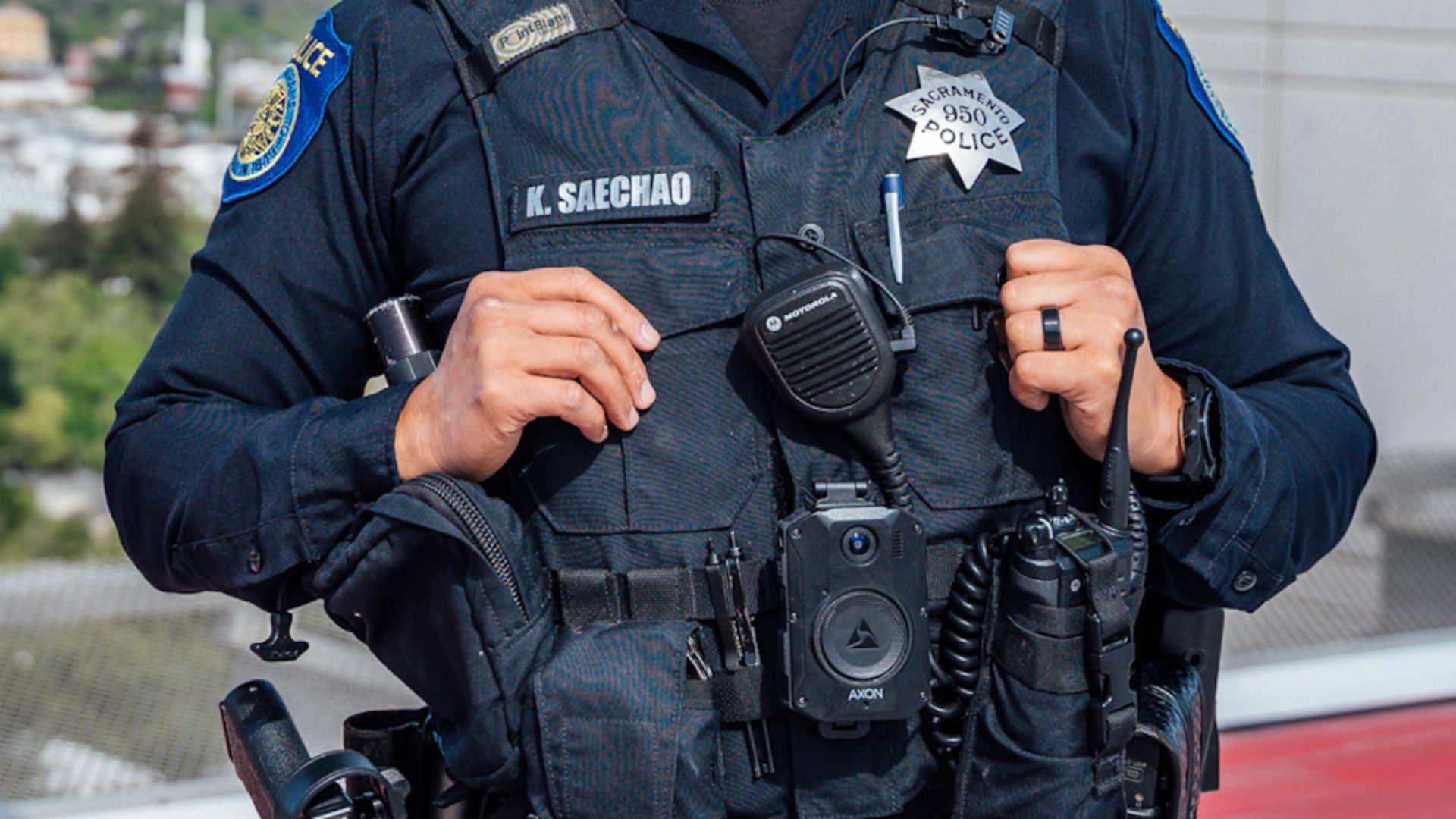

Sacramento, California – I’ve lived in this city long enough to remember when seeing a police car on a regular patrol felt normal rather than occasional. Back then, response times for non-emergency calls were shorter, and the visible presence on the streets helped keep a lid on the small stuff before it turned into bigger problems.
These days I hear the same complaints from neighbors, small business owners, and friends who work downtown or in commercial areas: it takes longer for officers to show up, the same issues keep cycling through the same blocks, and even when crime statistics look better on paper, everyday life doesn’t always feel safer.
The numbers tell a frustrating story. Sacramento’s police budget has roughly doubled over the past decade, climbing from around $125 million to more than $253 million, with a proposed figure near $256 million for the coming year.
At the same time, the number of authorized sworn positions has dropped, and actual staffing is projected to fall below 600 active officers, well short of what the city needs. The result is heavier reliance on overtime, stretched resources, and slower response in many situations. Residents end up paying more for less visible presence on the streets.
I’m not one to pretend every problem is solved by adding more officers or that crime stats don’t matter. Overall reported crime per capita has come down from earlier peaks, and that’s worth acknowledging. But the gap between the official numbers and what people experience in their neighborhoods is real.
Car break-ins, retail theft that happens in broad daylight, aggressive behavior tied to open drug use or untreated mental health issues, and the persistent encampments that turn sidewalks and parks into something residents avoid, these things shape how safe people feel every single day. When police are stretched thin because they’re short dozens of officers, those quality-of-life problems get less consistent attention. The small crimes that used to get quicker follow-up now often feel like they’re just part of the background.
Part of the staffing crisis is national. Recruitment and retention took a hit after 2020 across many departments, and Sacramento has felt it. Negative public perception, long hiring processes, competition from other agencies, and the reality that officers are increasingly asked to handle mental health crises and homelessness-related calls on top of traditional policing all play a role.
Pensions and benefits costs keep rising too, so even when the budget grows, a bigger share goes to existing personnel rather than new hires on the street. The city is trying recruitment incentives and pre-academy programs, but the pipeline hasn’t kept pace with attrition.
What makes this especially galling is that we’re seeing the same pattern across multiple city functions. We spend heavily on homelessness response and still watch the count climb and spread. We cut consequences for repeated low-level offenses and then wonder why disorder becomes more visible.
Schools face deep deficits and layoffs while families question whether the system can deliver stability. And now the police budget keeps growing while actual staffing and day-to-day presence decline. In each case the spending rises, the promises continue, and the visible results for ordinary residents lag behind.
I know policing is complicated. Officers deal with trauma, repeat callers, and situations that no training fully prepares anyone for. Many are doing the job with fewer colleagues and more demands than before. Throwing money at the problem without fixing recruitment, retention, and how we use officers isn’t the answer either. But pretending the current trajectory is sustainable doesn’t work.
When response times lengthen and the same blocks keep generating the same calls with limited follow-through, trust erodes. People start handling problems themselves or simply avoiding parts of the city they used to use without a second thought.
A real reset would focus on getting more officers on the street in sustainable ways. That means serious attention to pay, working conditions, and support so the job attracts and keeps good people instead of burning them out.
It also means smarter use of resources, civilianizing roles that don’t require a badge where it makes sense, better coordination with mental health and outreach teams so police aren’t the default responder for every crisis, and data-driven deployment that prioritizes the calls and areas that most affect residents’ sense of safety. And it requires honesty about what the public can reasonably expect when staffing is this far below what the population needs.
Sacramento has real strengths. Neighborhoods with character, a river that should be an asset instead of a corridor of encampments, businesses and residents who still show up for the city.
But the gap between what we spend on core public safety and what we actually experience on the streets is getting harder to ignore. Rising budgets without corresponding staffing and results isn’t a plan. It’s managed decline with better accounting.
Residents deserve better than paying more while feeling less safe in the places they live and work every day. The city needs to treat recruitment, retention, and visible presence as the priority they should have been all along.