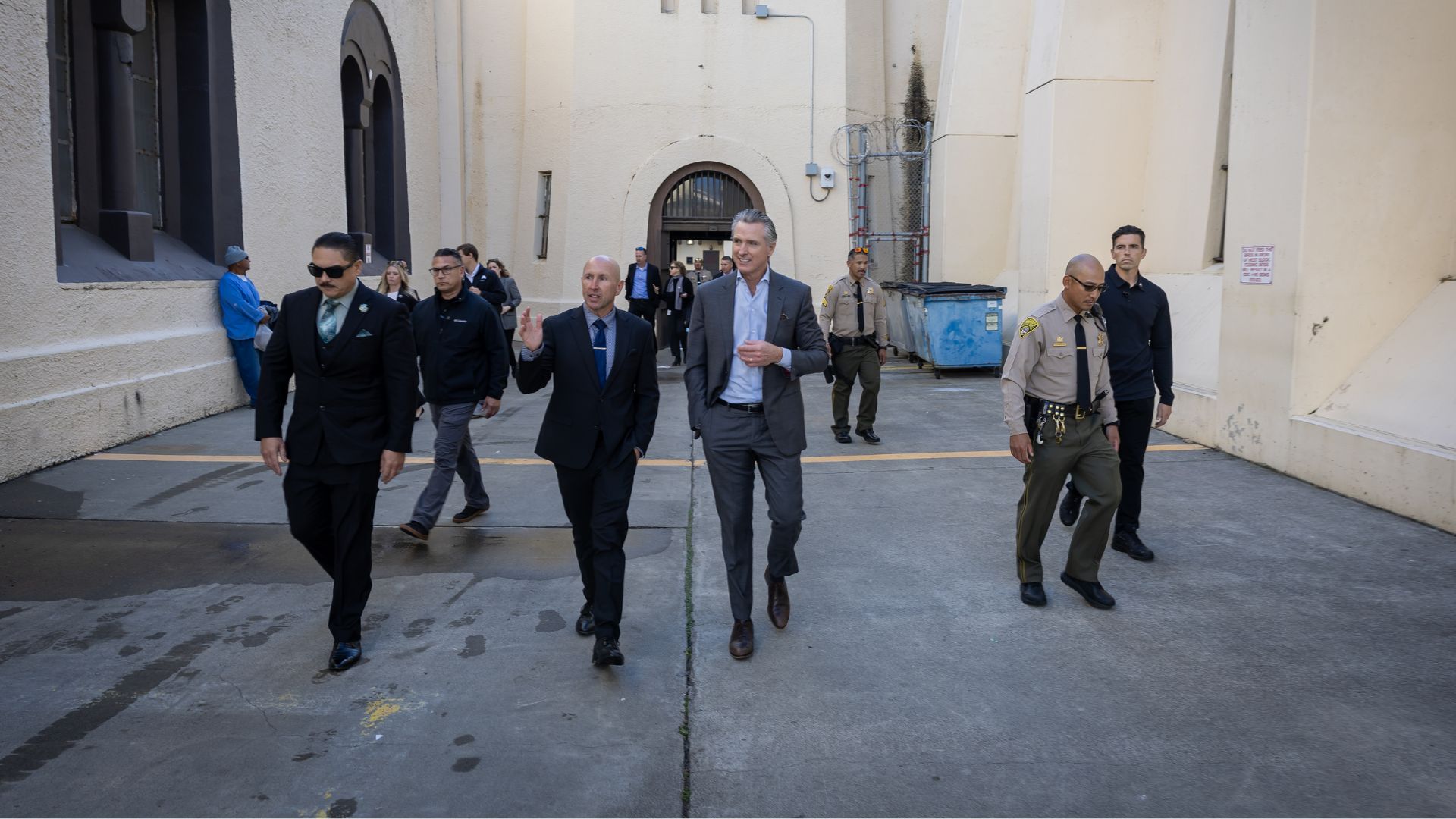

Sacramento, California – A prison once known mainly for punishment is becoming a showcase for education, creativity and second chances. At San Quentin, California officials are testing a different idea: helping incarcerated people rebuild their lives could also make communities safer.
Governor Gavin Newsom brought that message to the San Quentin Rehabilitation Center during a visit to the third annual San Quentin Film Festival, the nation’s first film festival held inside a prison.
The visit came as California reported major reductions in crime and historically low recidivism rates, developments the Newsom administration points to as evidence that law enforcement, prevention and rehabilitation can work together.
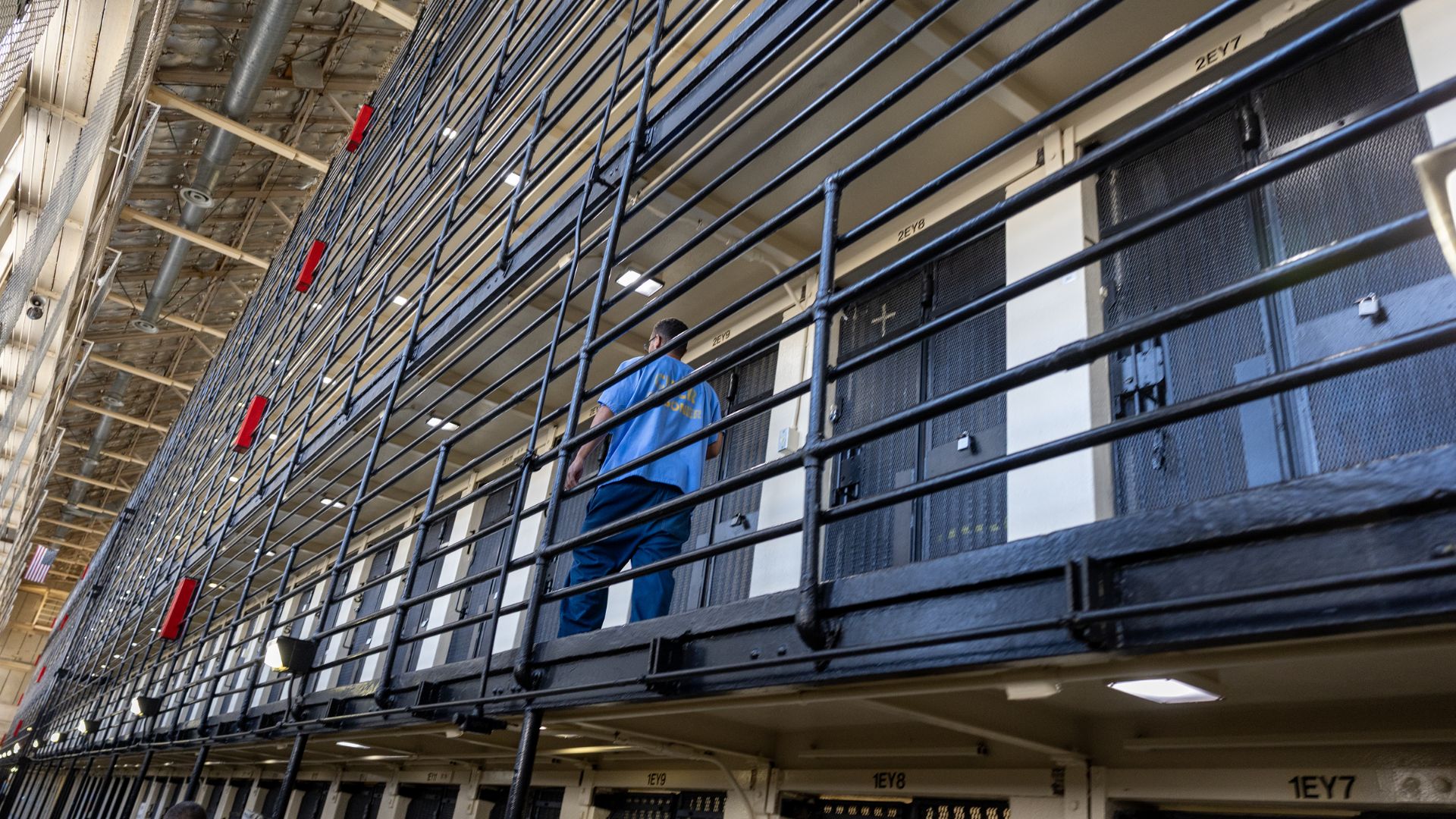
According to the state’s latest figures, homicides declined 18.6% between 2024 and 2025, reaching their lowest level since 1966. Robberies dropped 19.9%, violent crime fell 10.2%, property crime decreased 14.3%, and motor vehicle thefts declined 25.8%.
The administration also reported that, since Newsom took office, homicides have fallen 20%, robberies 31%, and property crime 24%.
“Public safety means bringing crime down, holding people accountable, supporting victims and giving people a real opportunity to change,” Newsom said.
The governor’s visit highlighted the rehabilitation side of that strategy, particularly the growing role of education and career preparation inside California prisons.
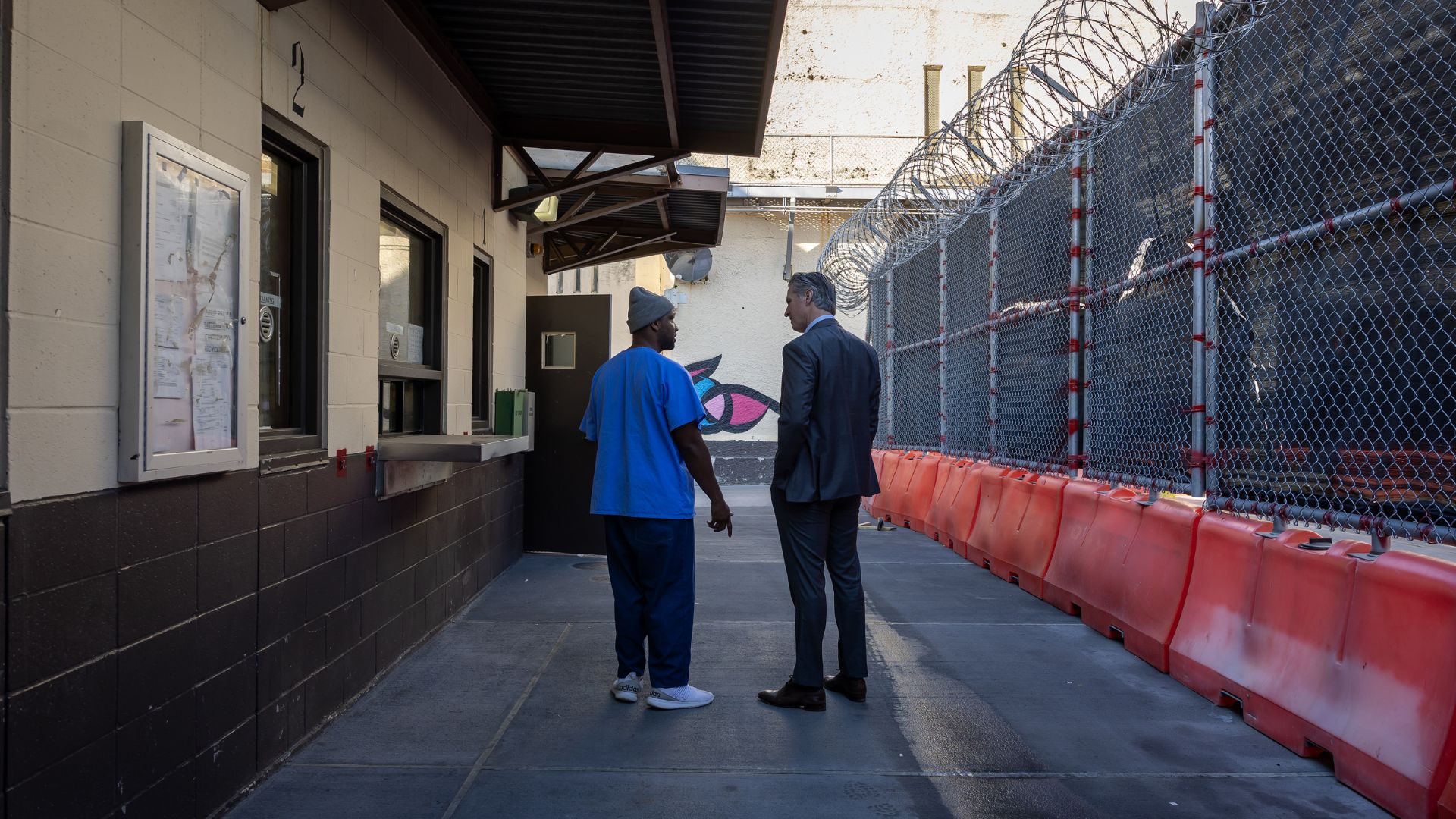
At San Quentin, 34 incarcerated students recently entered a 21-month bachelor’s degree program in Liberal Studies through Cal State LA. The program began in August and operates through the prison’s new Learning Center.
Across California’s correctional system, all 30 institutions provide access to community college coursework, while 12 offer bachelor’s degree programs.
Incarcerated students have earned 9,966 associate degrees, 451 bachelor’s degrees and 48 master’s degrees. Research cited by the state found that people participating in college programs were 31% more likely to find employment after release.
The state’s recidivism figures also suggest encouraging outcomes. Among people released after earning Rehabilitation Achievement Credits, 81.5% remained conviction-free for three years. That figure reached 76.7% for those earning Educational Merit Credits.
Beyond prison education, California has invested $546.8 million since 2019 in public safety programs, including violence prevention and victim services.
Newsom also recently announced a new interagency initiative intended to improve coordination, evaluate programs and develop long-term strategies for community safety.
Meanwhile, rehabilitation efforts are expanding beyond San Quentin. A new Honor Dorm at California State Prison Corcoran will serve approximately 100 incarcerated people through education, vocational training and structured rehabilitation.
For California officials, the broader goal is clear: maintain accountability for criminal behavior while giving people leaving prison the skills and opportunities needed to avoid returning.