
California’s November election is just days away, but a fierce legal battle over thousands of mail-in ballots has already produced three courtroom defeats for the Trump administration in a single week.
At the center of the dispute is a federal list of approximately 20,000 registered voters suspected of being noncitizens. California officials say the evidence behind that list is unreliable, and federal judges have repeatedly refused to grant the administration’s emergency requests.
California Attorney General Rob Bonta announced Friday, October 30, that the state had secured its third legal victory of the week after the U.S. Court of Appeals for the Ninth Circuit rejected another attempt by the federal government to change how certain mail-in ballots would be handled ahead of the November 3 election.
The Trump administration had sought an order requiring California election officials to separate and exclude ballots submitted by individuals identified on its list of suspected noncitizens. The administration maintained that those individuals were likely ineligible to vote.
However, the federal government’s evidence became a major obstacle to its case.
In an October 28 court order, a federal district judge questioned how the list had been assembled, describing the methodology as vague and raising concerns about its reliability. The court also pointed to doubts expressed by other federal courts regarding similar lists presented by the government.
The dispute began before the latest appellate decision. On Monday, October 26, the Ninth Circuit dismissed the administration’s initial appeal because the federal government had not allowed the district court sufficient time to consider its request.
Two days later, on Wednesday, October 28, the U.S. District Court for the Central District of California rejected the administration’s application for a temporary restraining order. That decision prevented the immediate implementation of the requested ballot restrictions.
Friday brought another setback.
Bonta had submitted an opposition brief challenging the administration’s emergency motion for an injunction while its appeal proceeded.
California’s arguments focused on three legal concerns.
First, Bonta cited the Purcell principle, which discourages federal courts from changing election procedures shortly before voting when doing so could create confusion or interfere with election administration.
Second, the state argued that the Constitution assigns authority over election procedures to states and Congress, rather than granting the president independent power to impose such changes.
Third, California maintained that the proposed order would create unnecessary difficulties for election workers and voters while undermining the state’s authority to administer elections.
The Ninth Circuit’s October 30 ruling marked the third time in five days that California had successfully resisted the administration’s requested emergency intervention.
Bonta welcomed the decision and accused the administration of using unsupported allegations about election fraud to undermine public confidence.
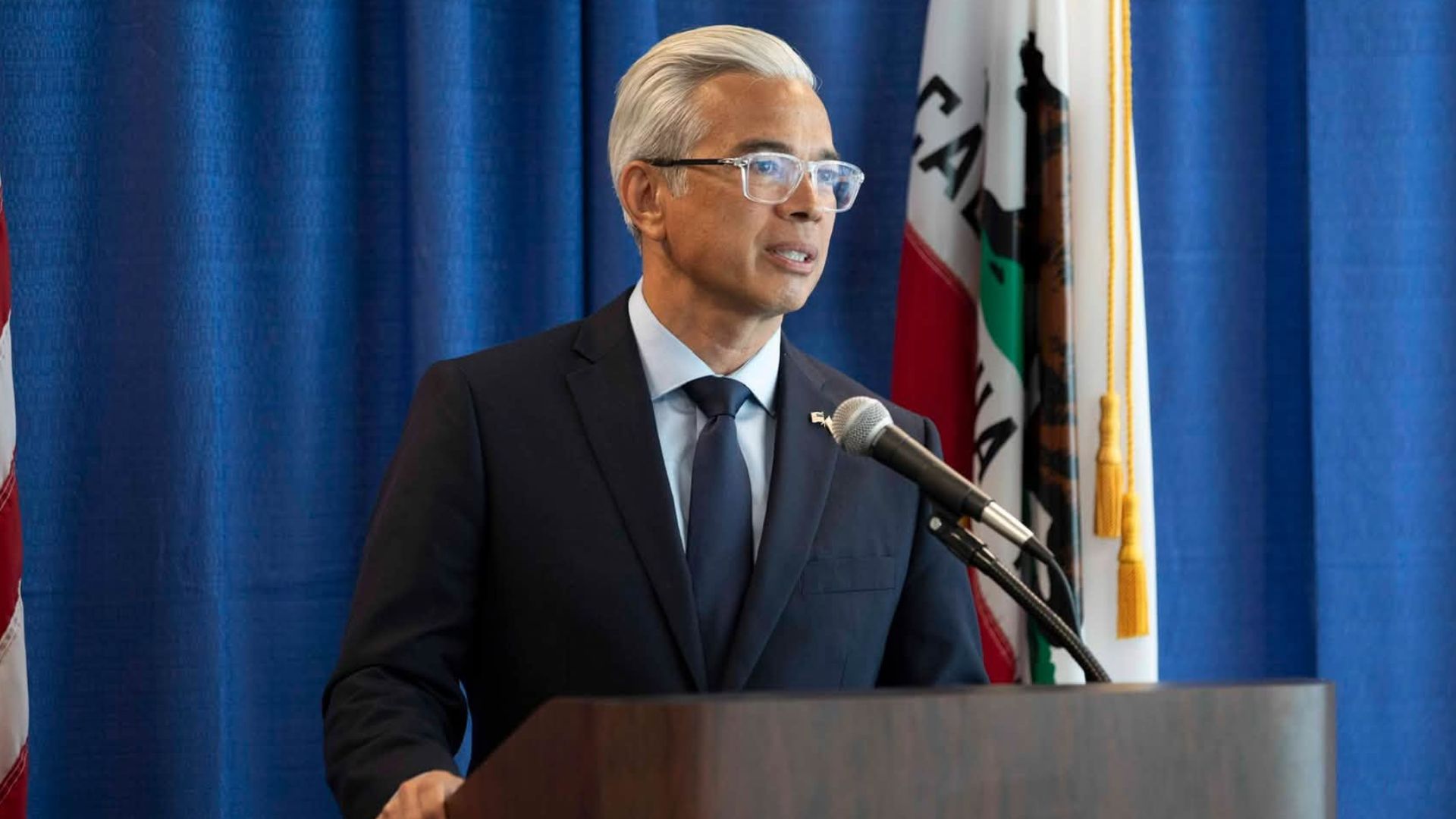
“Three legal victories in one week make clear that the Trump Administration has zero authority to interfere in California’s elections,” said Attorney General Rob Bonta.
He emphasized that California already prohibits noncitizens from voting in federal elections and has additional legal safeguards designed to prevent unlawful voting.
Governor Gavin Newsom also responded sharply, characterizing the administration’s actions as an attempt to interfere with an election already underway.
“We will continue to fight them on their illegal power grabs every step of the way, and deliver a free and fair election just as we’ve always done,” Newsom said.
The controversy comes as mail-in voting remains central to California’s election system. According to the California Department of Justice, more than 89% of voters who participated in the state’s June 2026 primary election cast their ballots by mail.
That figure highlights the importance of the dispute. Changes affecting mail-in ballots could have consequences for voters and election administrators, particularly when introduced only days before Election Day.
Although California has now prevailed in three consecutive emergency court proceedings, those victories do not amount to a final resolution of the underlying lawsuit.
For now, the courts have declined to impose the federal government’s requested ballot restrictions. With Election Day approaching, California officials remain focused on defending the state’s existing voting procedures while the broader legal challenge continues.