
California – Nearly one million cannabis plants were destroyed in California’s 2026 crackdown on illegal cultivation. But the plants tell only part of the story: authorities say illicit grows also fuel forced labor, water theft and toxic contamination at remote sites across the state.
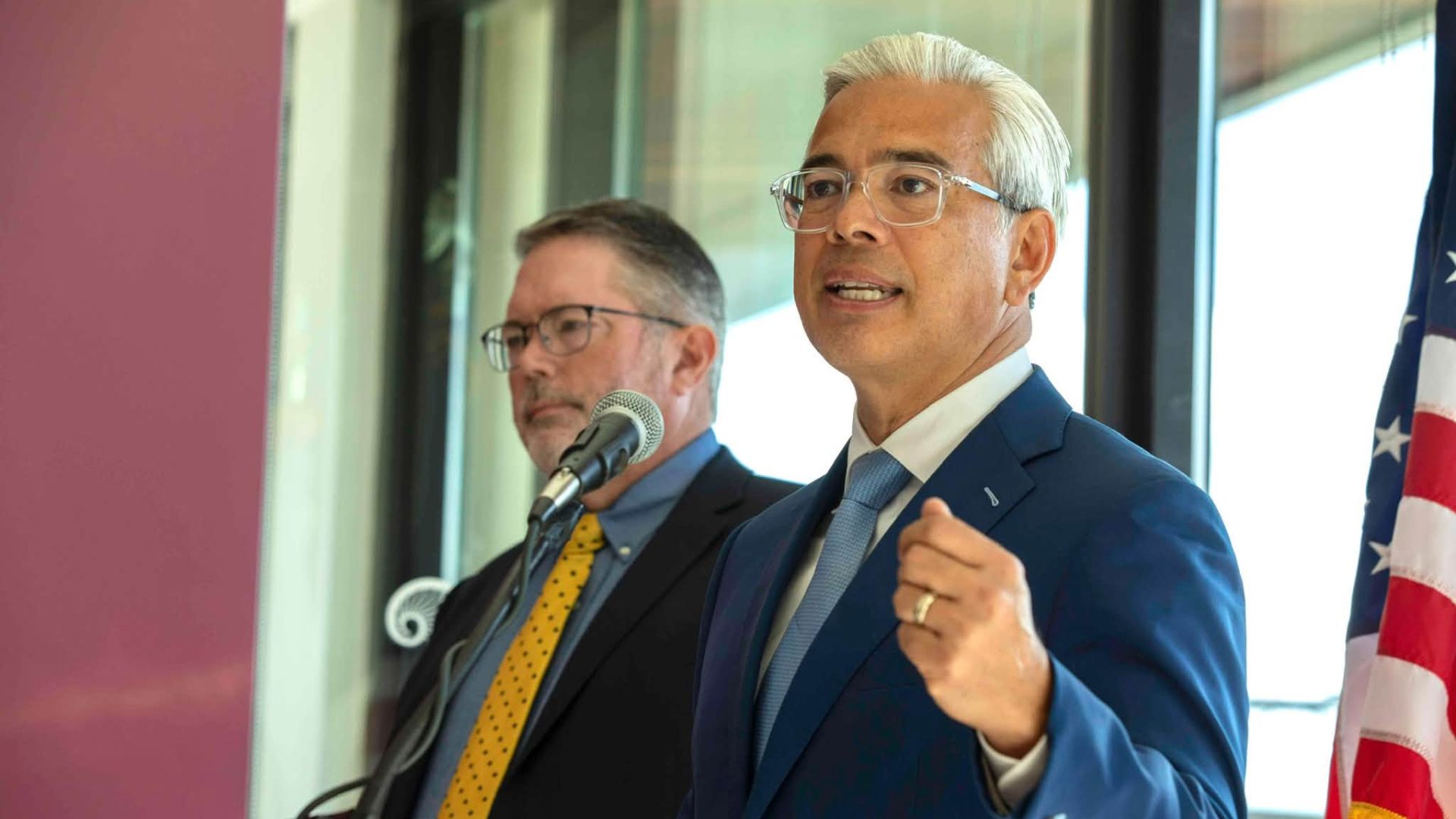
Attorney General Rob Bonta announced that the effort resulted in 221 arrests across 22 counties. Through the Eradication and Prevention of Illicit Cannabis program, known as EPIC, investigators targeted operations tied to organized crime, worker exploitation and environmental damage.
Teams carried out 655 operations in Northern, Central and Southern California, recovering 158 weapons. They also removed dams, water lines and containers of toxic chemicals used at grow sites, addressing infrastructure that supports illegal cultivation and threatens surrounding land and water.
“Illegal cannabis cultivation is not a victimless crime. It is a driving force behind human exploitation, a plethora of illegal activity, and ecological devastation,” Bonta said.
Read also: California biotech company settles claims it drew NIH funds despite a grant eligibility restriction
The enforcement work brought together local, state and federal agencies under the leadership of the California Department of Justice. Officials said dismantling the grows disrupts criminal networks and human trafficking operations that exploit vulnerable workers, including people subjected to forced labor at isolated cultivation sites.
Environmental hazards were another central concern. Authorities described damage ranging from clear-cutting and stolen water to banned pesticides that poison wildlife and watersheds.
Among the chemicals removed was carbofuran, a lethal insecticide effectively banned in the United States. It can remain on plants after application and seep into soil and nearby water sources. Teams also removed methyl parathion, aluminum phosphate, zinc phosphide and illegal fertilizers.
The operations reached counties throughout California, including Sacramento, Alameda, Fresno, Humboldt, Los Angeles, Mendocino, Riverside, San Bernardino, Shasta and Tulare.
California State Parks Director Armando Quintero said the partnership helps remove illicit cultivation from public lands, making recreation areas safer while protecting natural and cultural resources.
“Protecting parks for current and future generations is an important part of our mission,” Quintero said.
EPIC’s work extends beyond removing plants. The program investigates civil and criminal cases involving environmental damage, economic harm and labor exploitation. It coordinates with the Justice Department’s Cannabis Control Section, Special Prosecutions Section and Tax Recovery in the Underground Economy Task Force to develop investigations and pursue prosecutions.
Its partners include the Bureau of Land Management, California National Guard, California Department of Fish and Wildlife, California Environmental Protection Agency, U.S. Forest Service and local law enforcement. Seasonal funding comes primarily through the Drug Enforcement Administration’s Domestic Cannabis Eradication/Suppression Program.
Bonta also emphasized the impact on California’s legal cannabis industry, saying unchecked illegal operations undermine licensed farmers who follow the state’s rules.