
Sacramento, California – Born at Sutter Memorial back when it was still on F Street, raised in East Sac, raised my own kids here, watched them graduate from local schools.
I’ve seen Sacramento through good stretches and rough ones, the downtown revival in the ’90s, the light rail fights, the arena debates, the endless promises about “revitalizing” K Street. But nothing has prepared me for what the streets look like right now.
The 2026 Point-in-Time count came out last month: 7,458 people experiencing homelessness across Sacramento County. Up nearly 13 percent from two years ago. Unsheltered folks at 4,205. Sheltered numbers jumped more because we added beds, and that’s something. But the total keeps rising.
The problem didn’t shrink; it just spread. City proper unsheltered dropped some after sweeps and enforcement, good for downtown and Midtown maybe, but now you see the tents and RVs pushing into unincorporated areas, Rancho Cordova, Citrus Heights, even pockets that used to feel insulated.
I drive the same routes most days. The other evening I took 16th Street toward the river after work and had to slow down because a guy was pushing a shopping cart full of what looked like everything he owned right into traffic.
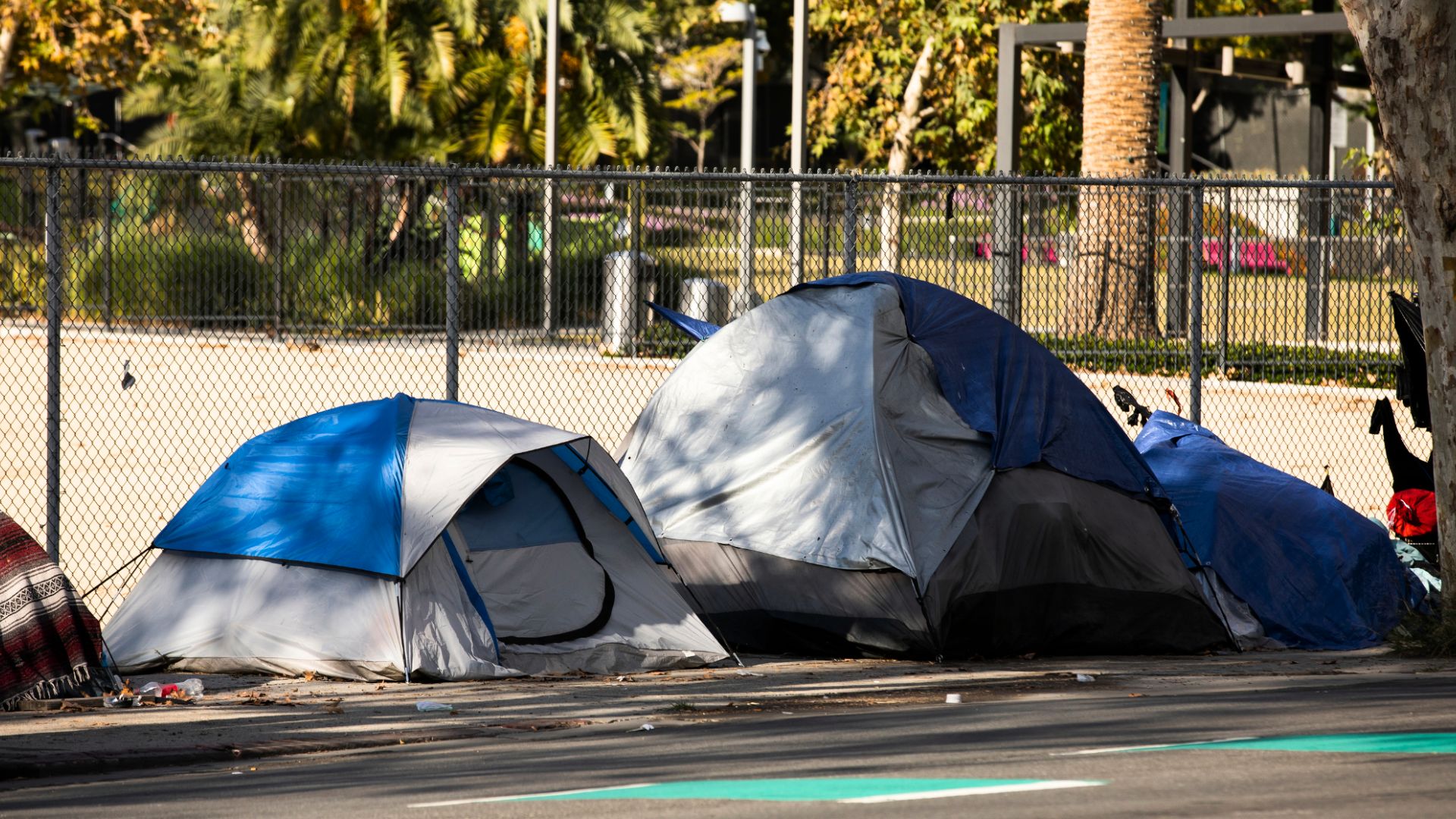
Tents line the edges near the underpass again. A few blocks over, near where the old Greyhound station used to be, there’s a cluster that wasn’t there last summer. Same story along parts of the American River Parkway where my kids used to ride bikes and we’d picnic. Now there are tarps and shopping carts and the smell of smoke from cooking fires that never quite go out.
You get used to a certain level of it, and that’s the part that scares me most. My grandkids ask questions I don’t have good answers for. “Why does that man live in a tent, Grandma?” “Is he sick?”
I tell them the truth as best I can: some people are down on their luck, lost a job, got evicted when rents jumped. Others are fighting demons most of us can’t imagine, serious mental illness, the kind that makes a person talk to the sky or pace for hours.
And then there’s the fentanyl and meth that hit this region like a truck. That stuff didn’t used to be everywhere. It changed the visible face of homelessness. People who might have cycled in and out of shelters or couch-surfed before are now stuck in a different, harder place.
We’ve spent real money. City auditor reports showed tens of millions in a single year from Sacramento alone, plus county dollars and state and federal grants layered on top. We’ve built shelter beds, launched outreach teams, created task forces, passed camping restrictions (even had to ban it right at City Hall recently). Some of it works on the margins.
More people are getting indoors on any given night than before. Veterans’ numbers actually ticked down a bit with targeted work. But the big picture? Inflow keeps outpacing exits. Job loss or lack of income is still the top self-reported reason people give when surveyed.
Nearly half the folks counted have been homeless at least two years. Over half are considered chronically homeless. That’s not a “we just need more compassion” problem anymore. That’s a system that isn’t matching the scale or the complexity of what’s actually happening on the ground.
I’m not one of those people who pretends this is simple or that every person on the street is the same. Plenty of the unhoused are our neighbors who hit a rough patch, a layoff at the warehouse, a medical bill that broke them, a family fight that turned permanent.
They deserve real help getting back on their feet: prevention programs that actually keep people housed before the eviction notice lands, faster access to whatever benefits they qualify for, and yes, more housing of all kinds built without the decade-long delays our zoning and environmental rules seem to require.
But we also have to be honest about the subset who need more than a key and a case manager. Serious mental illness and active addiction don’t respond to “housing first” alone when the person can’t or won’t stay inside because the rules feel impossible or the drugs are stronger than any outreach worker’s pitch.
We need more treatment capacity, detox, psych beds, long-term supportive housing with actual accountability, and we need to stop pretending that letting public spaces become open-air drug markets and sanitation hazards is somehow humane.
Ordinary life takes the hit while we debate models. Small businesses downtown and in commercial strips pay for extra cleaning and security because customers don’t want to step over human waste or navigate aggressive panhandling to get to the door.
Parents in neighborhoods that never used to see this stuff now map their walks around certain blocks. Property crime tied to desperation or addiction shows up in police logs and insurance claims. The visible disorder chips away at the sense that this is a city that works for the people who live and work and pay the taxes here every day.
I’ve heard the “mixed bag” language from Mayor McCarty and others. I get the instinct to highlight the shelter gains and the city’s unsheltered drop.
But residents judge by what we see on our actual streets and in our actual parks, not by the press release. When the total count keeps climbing and the problem just migrates to new zip codes, that’s not progress that feels meaningful in daily life. When nearly 80 percent of the people counted first became homeless right here in Sacramento County, that tells you the crisis is largely homegrown, driven by our housing costs, our job market gaps, our broken behavioral health system, and we own the fix.
I don’t have a magic plan. Nobody does. But I know what “more of the same” has delivered. We need prevention that actually prevents. Housing production that moves at the speed of the need, not the speed of the permitting office.
Treatment options that match the severity of the illness instead of defaulting to the least disruptive model. And yes, consistent enforcement of basic quality-of-life rules so that public spaces remain usable for everyone, paired with real alternatives instead of just moving people a few blocks over.
I still love this city. I’ve seen it bounce back before. But love without honesty is just nostalgia. The count is 7,458. The streets tell the same story every single day. We can keep counting and announcing and task-forcing, or we can start measuring success by whether the number starts going down and whether regular people feel like their neighborhoods and their safety and their kids’ parks still belong to them.
I know which one I’m rooting for.