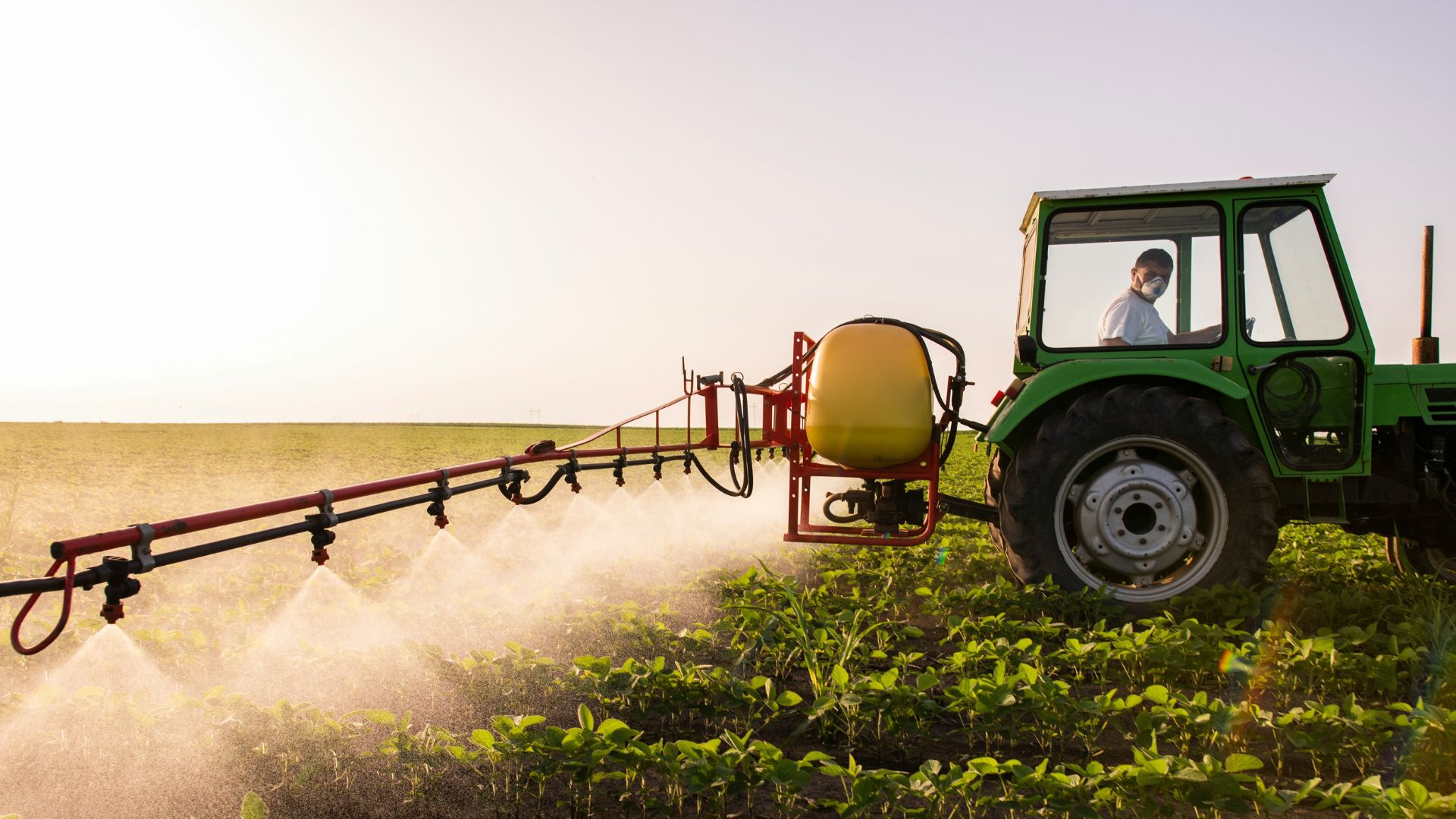

Sacramento, California – For millions of Californians, the concern over “forever chemicals” may no longer be limited to drinking water or household products. A new analysis says pesticides containing per- and polyfluoroalkyl substances, known as PFAS, are being detected in waterways and sediment across some of the state’s major agricultural regions.
The Environmental Working Group reviewed testing data gathered from 2020 through 2024 by the California Department of Pesticide Regulation and the U.S. Geological Survey. Samples came from Butte, Colusa, Imperial, Merced, Monterey, San Luis Obispo, Santa Barbara, Stanislaus, Sutter and Yolo counties.
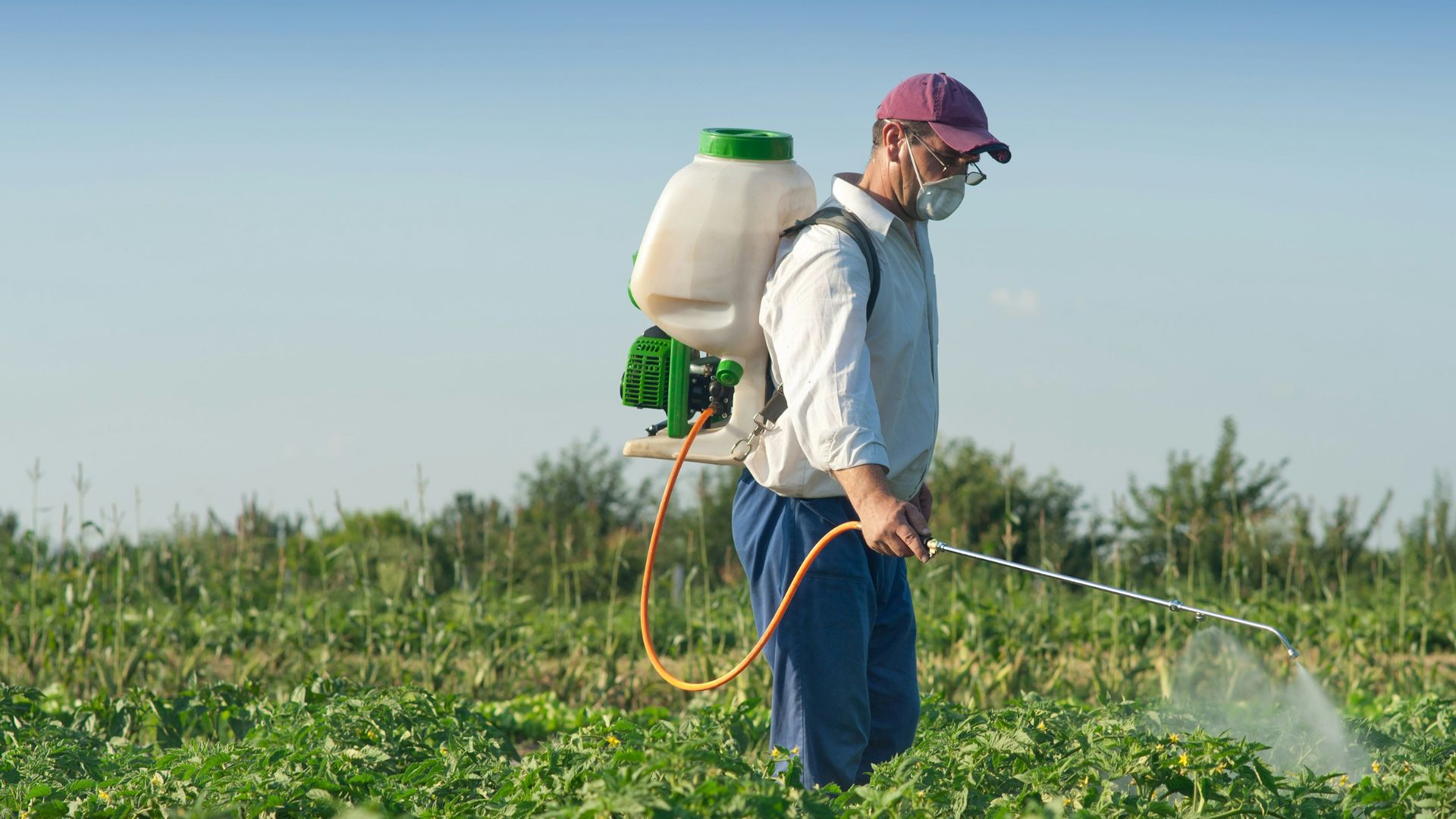
The analysis found bifenthrin, a PFAS pesticide that has been potentially linked to cancer, in nearly half of surface water samples and in more than half of sediment samples. The detections were especially striking in San Luis Obispo and Stanislaus counties, where the chemical appeared in more than 80% of surface water samples.
Bernadette Del Chiaro, senior vice president of the Environmental Working Group, said the findings should “alarm every Californian, and every American who eats California-grown food.”
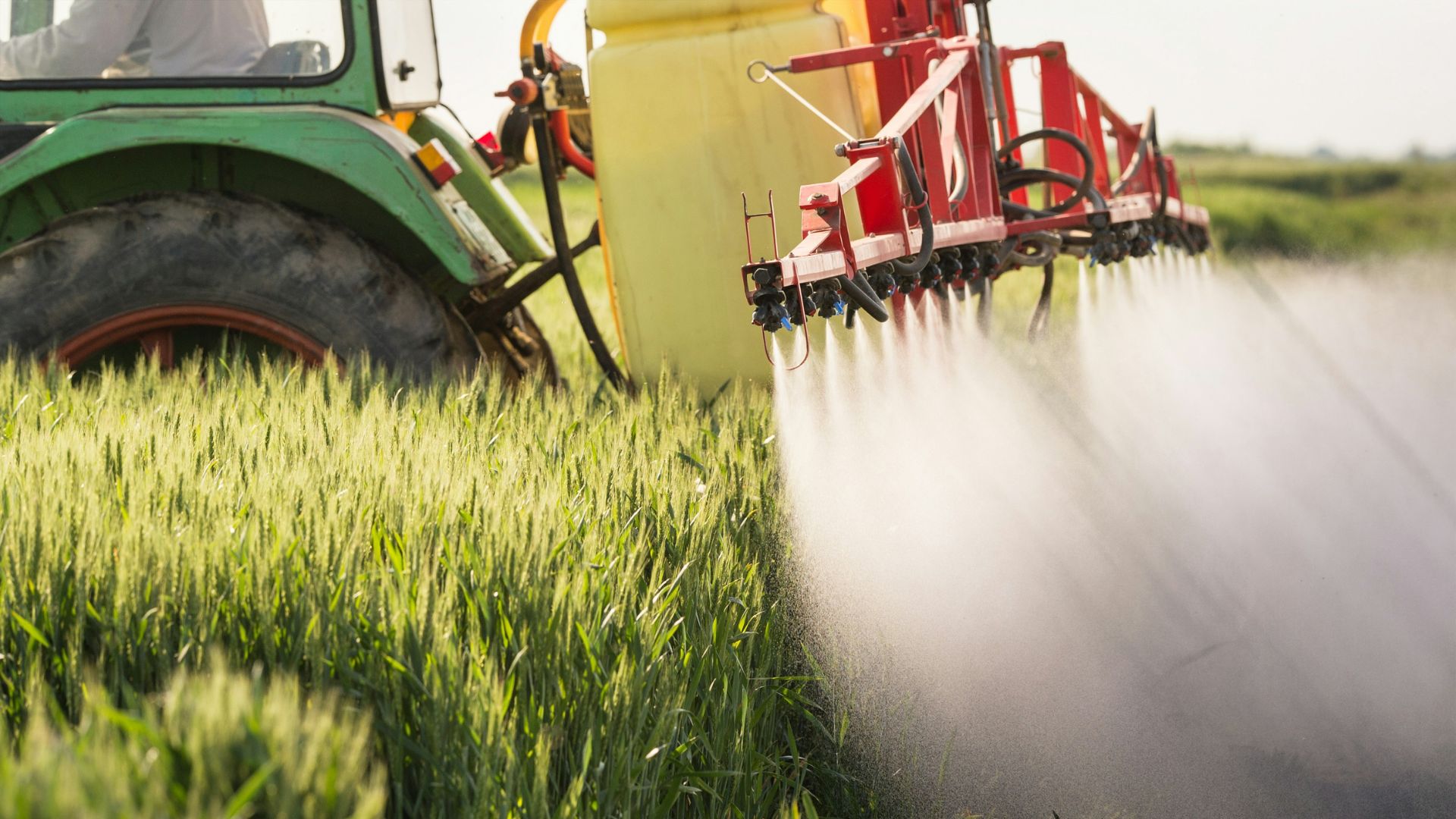
California agriculture uses PFAS pesticides because they can be effective at controlling pests. But the group estimates that more than 2.5 million pounds of these pesticides are applied to farmland in the state each year, raising concerns about long-term buildup in soil, water and food.
“If we’re seeing PFAS pesticides show up this often even in limited surface water and sediment tests, the true scale of this contamination is almost certainly even greater. We need to stop deliberately spraying these toxic chemicals on our crops,” Del Chiaro said.
Health concerns surrounding PFAS have continued to grow. A 2024 scientific review found strong evidence that PFAS exposure can harm immune response, while noting that important gaps remain in understanding the full effects of widespread exposure. The U.S. Environmental Protection Agency has said many PFAS break down very slowly and can accumulate in people, animals and the environment.
The findings are now feeding a legislative fight in Sacramento. The Environmental Working Group is backing Assembly Bill 1603, which would phase out agricultural PFAS pesticides in California by 2035. As of May 29, the proposal had reached the state Senate after moving through the Assembly.
“The fact that we are finding potentially carcinogenic chemicals at high rates is a profound public health concern,” said analysis co-author Varun Subramaniam, warning that limited testing may mean current contamination estimates are too low.