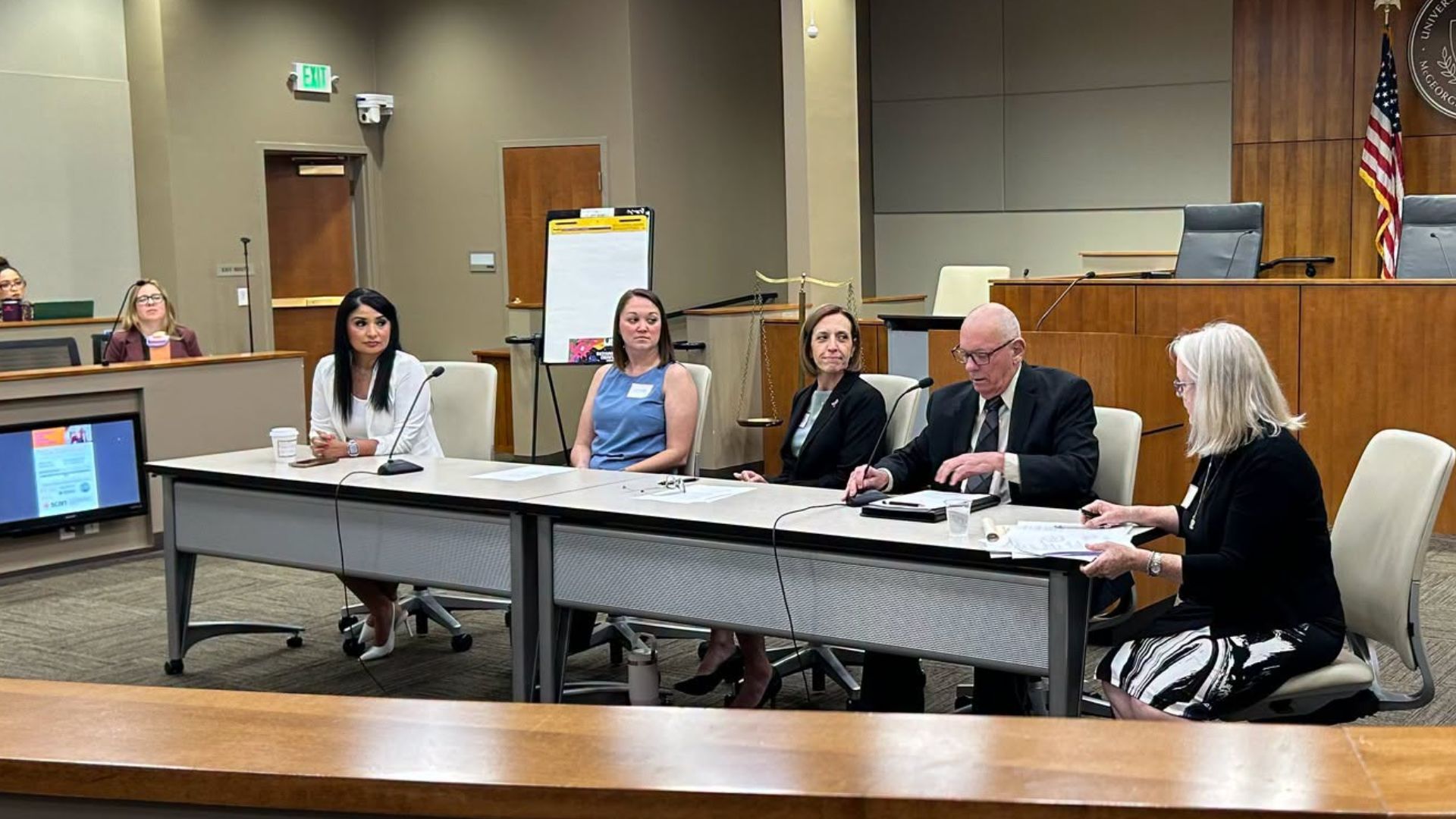

Sacramento County, California – Sacramento County’s message after this month’s Elder Financial Abuse Summit was short, but it carried the weight of a much larger problem.
“Thank you to our Adult Protective Services staff and community partners who participated in the Elder Financial Abuse Summit this month at McGeorge,” the county wrote after the June 16 gathering at the University of the Pacific McGeorge School of Law.
The free, full-day summit brought together people who often see elder financial abuse from different sides: Adult Protective Services workers, attorneys, prosecutors, advocates, community groups and local leaders. The goal was not just to talk about scams in general terms. It was to build a stronger local response before more seniors lose money, trust, independence or safety.
The timing mattered. June is tied to elder abuse awareness efforts, with World Elder Abuse Awareness Day observed on June 15 to draw attention to abuse, neglect and exploitation of older people. The National Center on Elder Abuse says one in 10 adults age 60 and older in the U.S. experienced some form of abuse within the last year.
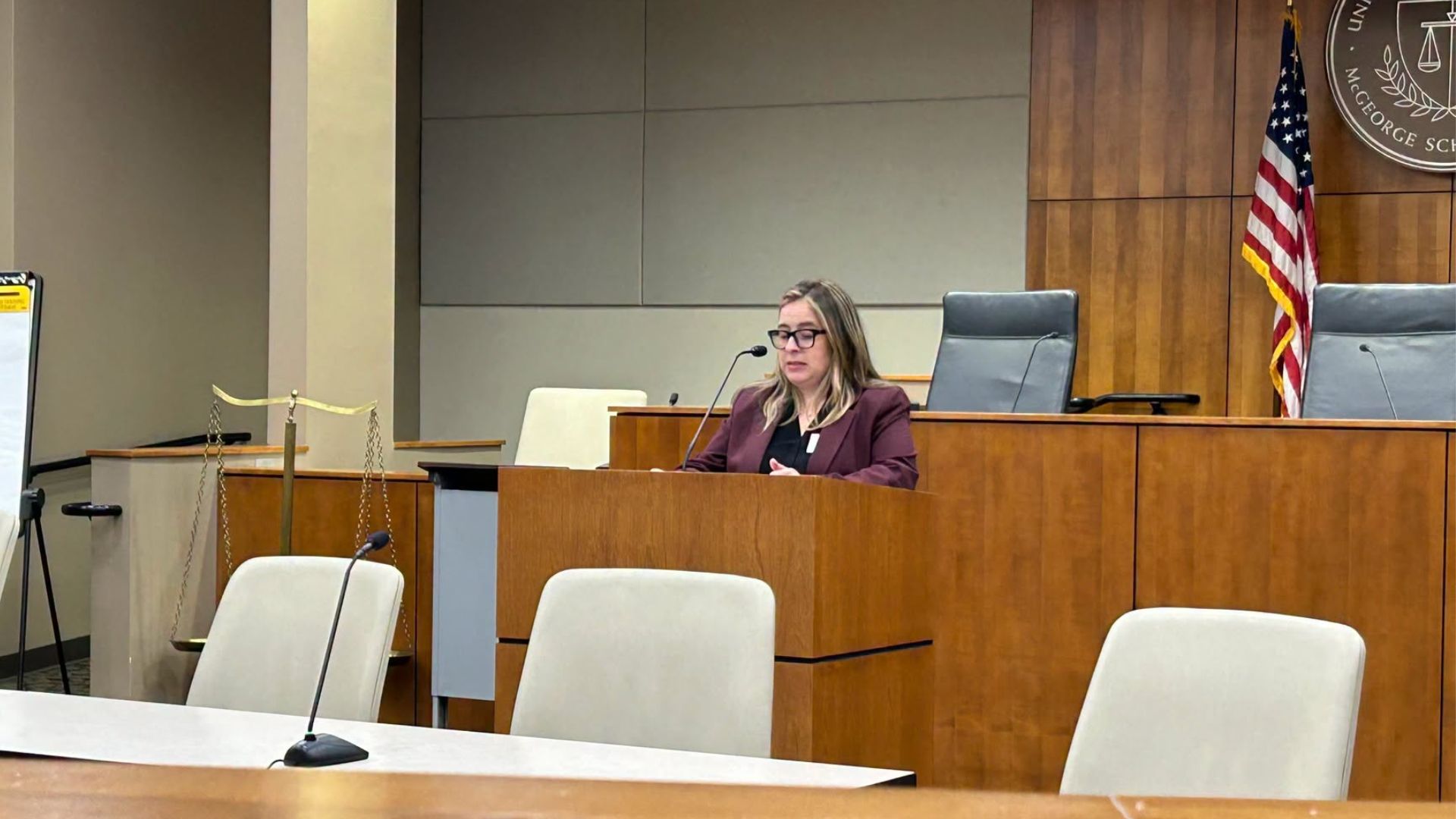
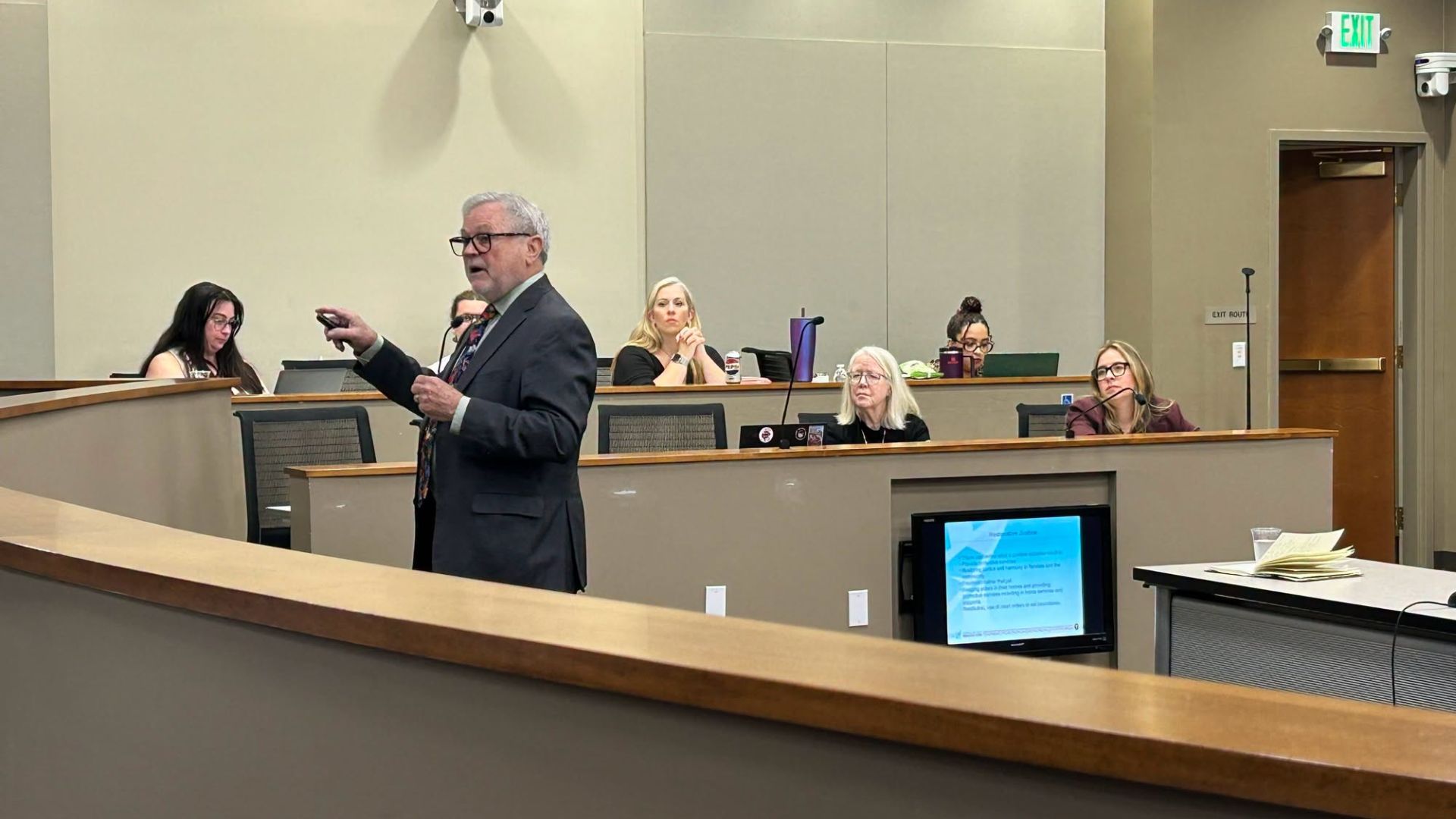
At McGeorge, the discussion centered on elder financial exploitation, a quiet crime that can begin with a phone call, a forged signature, a false promise, a pressure tactic or a trusted person taking advantage. The summit included expert speakers, panel discussions and conversations about cultural considerations, prevention, reporting, investigation, prosecution and victim support.
Opening remarks were delivered by Sacramento Mayor Pro Tem Eric Guerra and McGeorge Clinical Professor Melissa Brown. The program also highlighted McGeorge’s Elder & Health Law Clinic, including the work represented by Professor and Supervising Attorney Lacey Mickleburgh. McGeorge’s clinic serves older adults and is located at the school’s Community Legal Services building in Sacramento.
Sacramento County Adult Protective Services remains one of the key local doors for suspected abuse reports. California APS agencies serve adults 60 and older, as well as dependent adults ages 18 to 59 who are disabled, when they are victims of abuse, neglect or exploitation. In Sacramento County, suspected elder or dependent adult abuse can be reported through the Adult Abuse Hotline at 916-874-9377.
The Sacramento County District Attorney’s Office also has an Elder Abuse Unit that handles felony cases involving elder and dependent adult victims, while financial abuse cases may be assigned to different units depending on complexity.
For Sacramento, the summit’s message was plain: protecting older residents cannot fall on one office alone. It takes banks, families, neighbors, social workers, attorneys, prosecutors, senior centers and the public noticing when something feels wrong — and reporting it before silence becomes another tool for the abuser.