
California – California’s carbon market may soon get a new neighbor. And a bigger map.
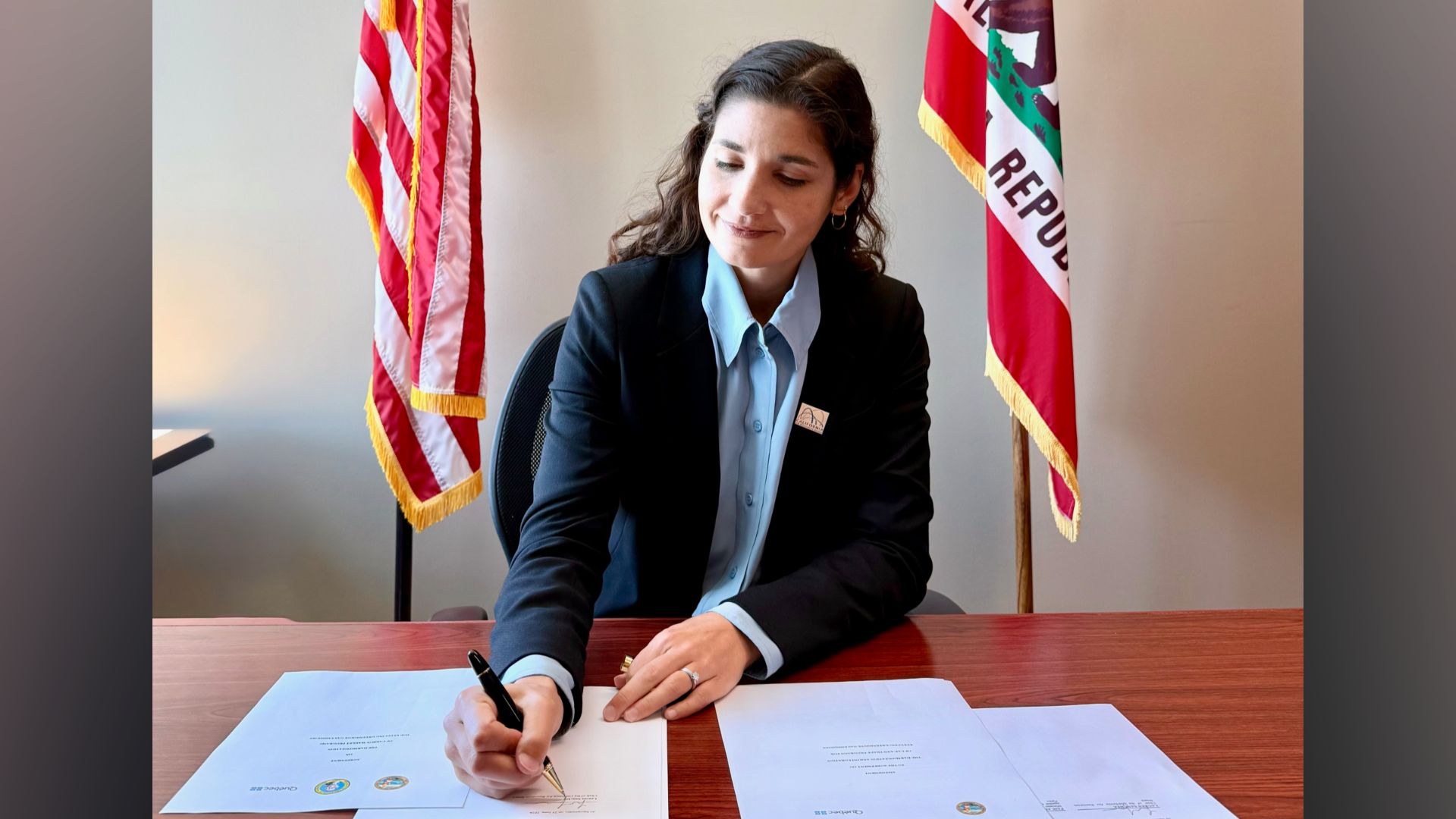
On June 25, California and Québec signed an agreement with Washington state that starts the formal path toward linking Washington’s Cap-and-Invest program with the already connected California-Québec carbon market. It is not a finished deal yet. But it is a serious first step, and one that could reshape how three governments use market pressure to cut climate pollution while keeping costs more stable.
The agreement follows earlier talks among the three governments over whether their programs are aligned closely enough to operate together. The goal is to build a larger, more efficient carbon market where covered businesses have more compliance options, prices are steadier, and investments in cleaner fuels and technology can move with more confidence.
California and Québec have already been linked since January 1, 2014. That connection allows businesses covered by their programs to use approved allowances and credits from either system to meet compliance requirements. Washington is now moving toward that same shared-market structure, though several legal and regulatory steps remain before linkage can actually happen.
Lauren Sanchez, chair of the California Air Resources Board, called the signing “an important milestone” as each government works through its own process. She said linkage can “help boost climate outcomes, enhance compliance flexibility, and deliver even greater benefits to our residents.”
Washington Gov. Bob Ferguson framed the agreement as larger than one region’s climate policy. “This is a big moment—not just for Washington and our partners, but for the world,” Ferguson said. “It shows that it’s possible to work together across borders to solve this global problem.”
Québec Environment Minister Pascale Déry said the agreement strengthens a climate partnership already recognized internationally and would bring “greater stability, predictability, and economic efficiency” to the shared carbon market. She also noted that revenues from Québec’s system are reinvested in businesses, communities and residents to support a lower-carbon economy.
For California, the process is still layered. CARB must notify the governor of its intent to link, conduct required analyses and provide them to the governor. The governor must then make several findings, including that Washington’s program requirements are equivalent to or stricter than California’s, that California can enforce its climate laws as fully as allowed, and that the agreement does not create significant liability for the state. Only after that can CARB complete the formal regulatory process.
California’s program traces back to Assembly Bill 32, passed in 2006, and remains one of the state’s main tools for cutting greenhouse gas emissions in covered sectors. According to state officials, Cap-and-Invest helped California reach its 2020 climate target six years early, generated $35 billion for climate investments, funded more than 500,000 projects, supported 30,000 jobs, cut millions of tons of carbon and delivered $16 billion in utility bill credits to Californians.
The agreement also comes shortly after CARB adopted updates meant to keep California on track for its 2030 and 2045 climate targets. Those changes are expected to generate $10 billion in electricity bill credits, $8 billion for the Greenhouse Gas Reduction Fund, a $4 billion incentive fund for California businesses and jobs, and $800 million in added industry support.
For now, the deal is a doorway, not a destination. But if the process is completed, California, Québec and Washington could create a broader carbon market built around one shared idea: cutting emissions may be easier, cheaper and more durable when governments stop working alone.