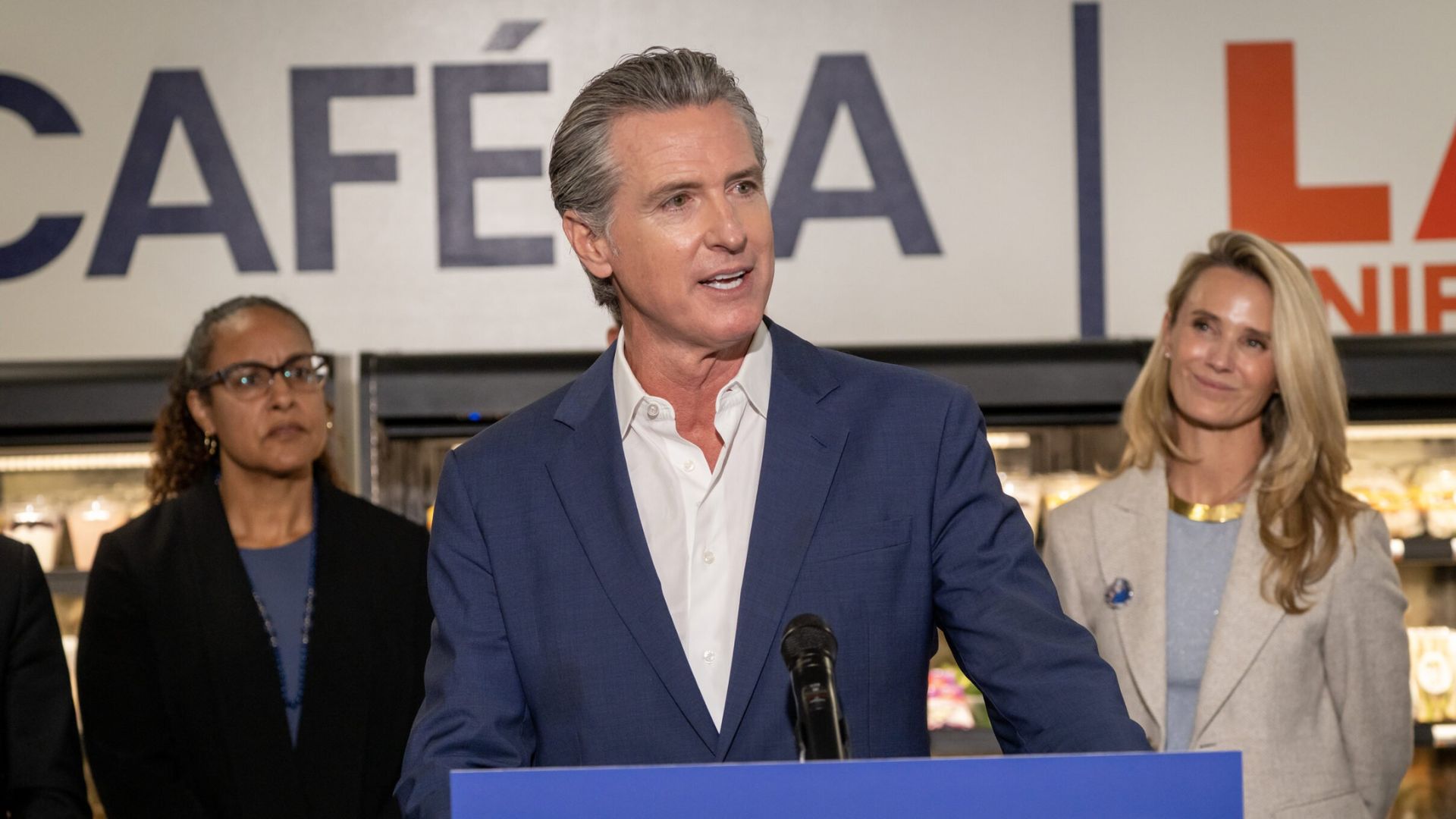

Sacramento, California – California’s behavioral health system just crossed from promise into practice. As of July 2026, all 58 counties are moving under the Behavioral Health Services Act, the new framework created by Proposition 1 after voters approved the measure in 2024.
It is not a small paperwork change. It is a statewide reset of how California pays for, plans and measures mental health and substance use services, with housing, prevention, workforce and treatment now pulled closer together under one system.
The shift moves counties away from the older Mental Health Services Act model and into the BHSA, which state leaders describe as a more accountable and outcome-focused approach. The goal is direct: reach people with serious behavioral health needs sooner, especially those at risk of homelessness, justice involvement or institutionalization, while still investing in prevention for children, youth and families.
“Today marks a historic turning point for California, reflecting years of work to modernize and strengthen our behavioral health system,” Gov. Gavin Newsom said.
“Through the BHSA, we are fundamentally reshaping how Californians receive mental health and substance use services and supports. This is about outcomes, dignity, and ensuring that every person, no matter their circumstance, has a path to stability, wellness, and hope.”
The new law explicitly brings substance use disorder services into the behavioral health structure, including field-based outreach and housing supports. It also expands permanent supportive housing for Californians with the most significant behavioral health needs, including people experiencing homelessness and veterans. Proposition 1 also includes a behavioral health bond to finance treatment beds, supportive housing and community sites.
California has spent years building the runway for this moment. Through the Department of Health Care Services, the state has awarded $4.17 billion through the Proposition 1 Behavioral Health Continuum Infrastructure Program to support more than 330 projects. Once completed, those investments are expected to add more than 6,900 residential treatment beds and more than 27,500 outpatient treatment slots.
Counties were also given a new BHSA County Policy Manual, shaped by more than 2,660 public comments, to guide implementation. All 58 counties and two eligible cities submitted draft Integrated Plans on time, laying out how they plan to deliver housing, crisis care, substance use treatment, prevention and wraparound services.
California Health and Human Services Secretary Kim Johnson said the act marks “a fundamental shift” by bringing prevention, treatment, recovery, housing support and workforce investments into one coordinated framework.
The next test will be what residents can actually feel: shorter gaps between crisis and care, more places to receive treatment, stronger local prevention work and more support closer to home. With the BHSA now active statewide, California’s behavioral health overhaul has moved from planning table to county-by-county reality.