
Sacramento, California – California’s latest fight over homelessness money is not about a new shelter ribbon-cutting or a single city’s street crisis. It is about what happens to people who already made it indoors, and whether federal funding rules could push them back out.
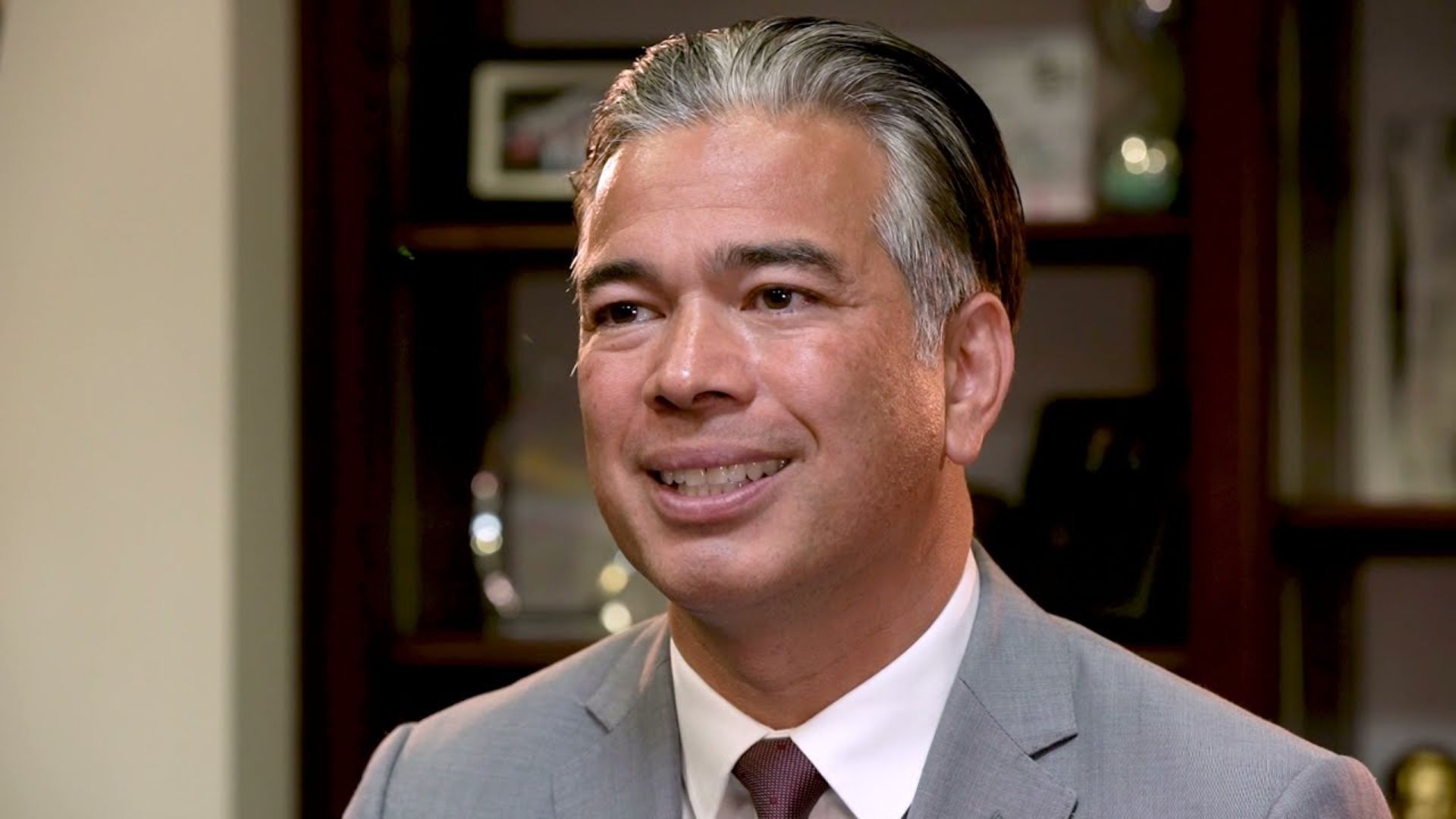
Attorney General Rob Bonta said Tuesday that California has joined a multistate lawsuit challenging the U.S. Department of Housing and Urban Development’s Fiscal Year 2026 funding notice for the Continuum of Care Program, the federal government’s main program for housing and services tied to homelessness.
The case, filed in the U.S. District Court for the District of Rhode Island, argues that HUD is again trying to redirect money away from permanent supportive housing, even after a recent court order blocked similar 2025 funding changes.
The stakes are measured not only in dollars, but in front doors. The coalition says HUD’s 2026 Notice of Funding Opportunity would set aside about $1.3 billion for transitional housing and supportive-service-only projects. Those programs can play a role, but the lawsuit argues the move would effectively limit the money available for permanent housing projects already serving people who escaped homelessness.
The National Alliance to End Homelessness has estimated that at least 97,000 residents of CoC-funded permanent housing could be at risk of losing their housing under the new funding structure.
“The Trump Administration is once again trying to undermine HUD’s longstanding Housing First approach that has kept and continues to keep our most vulnerable residents housed,” Bonta said.
“Congress and the courts have made clear that funding for permanent supportive housing must be protected. We will continue fighting to ensure that those who have secured housing stability do not lose it.”
The Continuum of Care Program funds local and regional efforts by nonprofits, governments and service providers to help people experiencing homelessness or at risk of homelessness. HUD describes the program as one meant to support communitywide work to end homelessness through housing and related services.
At the center of the dispute is a sharp policy divide. Permanent supportive housing is long-term housing paired with services, often used for people with serious barriers to stability. Transitional housing is temporary and intended as a bridge.
Supportive-service-only projects provide help, but not housing assistance itself. Bonta and the coalition argue that cutting into renewal support for permanent housing would undermine the very purpose of the program: keeping people who have left homelessness from returning to it.
The lawsuit also challenges HUD’s new scoring criteria. According to the coalition, those criteria would penalize applicants that continue using the Housing First model, a long-running approach that places people into housing without requiring them to first meet conditions such as treatment participation or other prerequisites. The coalition says HUD is instead pushing funding toward programs that attach more conditions before people can access housing.
The legal fight follows an earlier battle over HUD’s 2025 CoC funding notice. Last week, Bonta announced that a federal court had rejected HUD funding conditions that the coalition said threatened more than $3 billion in homelessness funding. The court set aside those earlier notices, preventing HUD from enforcing the challenged conditions.
But the new complaint says HUD’s 2026 notice continues the same basic effort through a new route. Rather than only fighting over past rules, the states are now trying to stop the next funding cycle from reshaping homelessness assistance before grants are awarded and local programs are forced to adjust.
California is not alone in the case. Bonta joined attorneys general from Arizona, Colorado, Connecticut, Delaware, the District of Columbia, Illinois, Maine, Maryland, Massachusetts, Michigan, Minnesota, New Jersey, New Mexico, New York, Oregon, Rhode Island, Vermont, Virginia, Washington and Wisconsin, along with the governors of Kentucky and Pennsylvania.
For people already housed through these programs, the lawsuit’s meaning is simple. A policy fight in federal court could decide whether their housing remains permanent, or becomes another temporary stop in a much longer crisis.