
Sacramento, California – California is trying to answer one of the biggest questions hanging over the modern workplace before it turns into a crisis: where, exactly, is artificial intelligence beginning to push workers out?
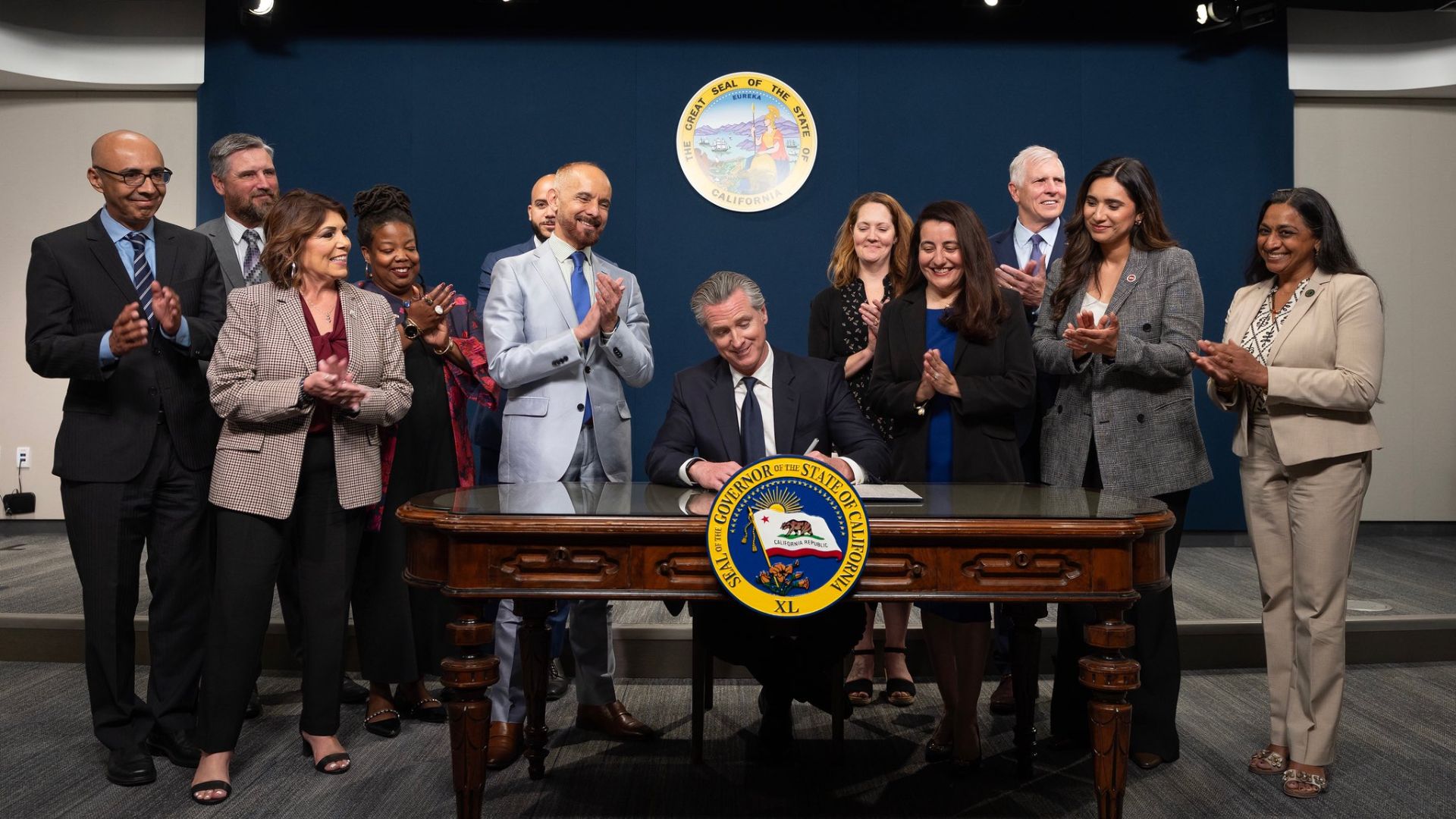
Last week, Gov. Gavin Newsom announced the launch of the California AI-Unemployment Tracker, a publicly available dashboard designed to monitor possible AI-related job loss across the state. Developed with the University of California, the California Policy Lab’s UCLA site and the California Employment Development Department, the tool is being framed as an early warning system, not a panic button.
“California has always been a place that embraces innovation while taking seriously the responsibility that comes with it. We’re shaping the future — and charting the course for the nation,” Newsom said.
“As AI advances, we aren’t just watching from the sidelines; we’re reimagining how we prepare California through strong governance and innovative policy.”
The tracker, which will be updated monthly, looks for signs of job displacement in occupations more exposed to AI. State leaders say the goal is to spot pressure early so workers can be connected with job search help, retraining, upskilling, health coverage guidance and other support before disruption deepens.
For now, the first readout is mixed, and that may be the most important part. The analysis released with the dashboard shows no evidence of rising statewide unemployment claims caused by AI. But it does point to warning lights in specific corners of the economy. Claims from college-educated workers in high AI-exposure occupations increased after the public release of ChatGPT-3.5 in 2022. Workers in high-exposure jobs in the San Francisco Bay Area also saw a sustained increase.
“Right now, we are not seeing evidence of large-scale AI-related layoffs in California’s labor market,” said Dr. Ben Hyman, senior researcher at the California Policy Lab.
“But we do see patterns in certain regions like the Bay Area, in certain tech-heavy sectors, and among highly AI-exposed workers with college degrees.”
The dashboard grew out of Newsom’s recent executive order aimed at preparing workers, small businesses and communities for the economic changes AI may bring. It also fits into California’s broader AI strategy. The state is home to 33 of the world’s top 50 private AI companies, while also moving ahead with laws and policies on transparency, deepfakes, digital likenesses, child safety, robocalls, privacy and government use of AI.
Labor officials say the tool gives the state something better than guesswork. Stewart Knox, secretary of the Labor & Workforce Development Agency, said it provides “a clearer picture of how AI is affecting working people and jobs, and where we need to focus support and training.”
California is also trying to build that support system before the shock arrives. Since Newsom took office, the state has backed more than 674,000 earn-and-learn training opportunities, including more than 250,000 registered apprenticeships. It has also invested nearly $750,000 in the California Workforce Association to develop a statewide AI workforce strategy.
The message from Sacramento is careful but clear: AI has not yet produced a statewide unemployment wave. But California is no longer waiting for one to appear before counting the ripples.