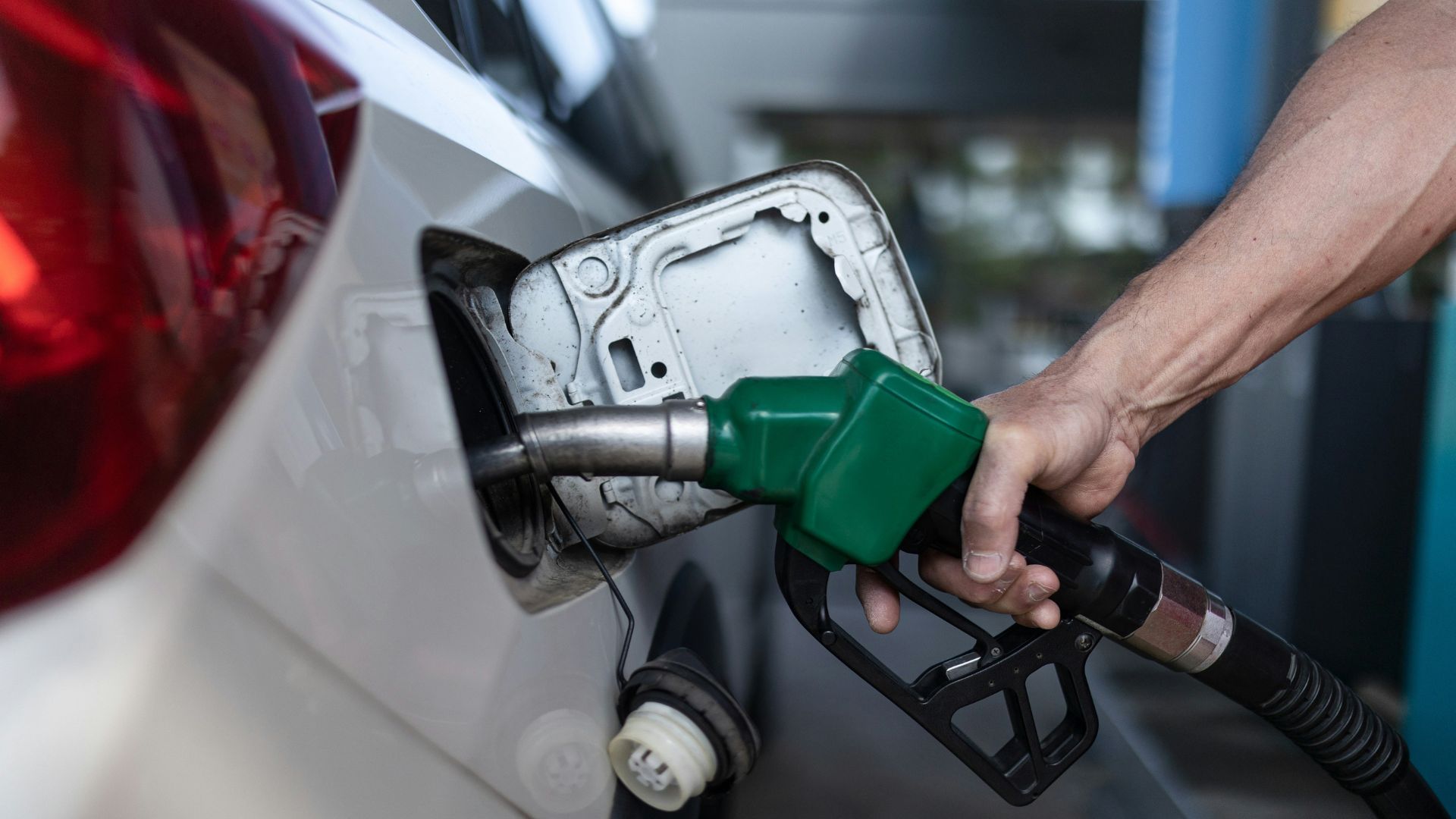

Sacramento, California – California drivers are getting an unusual late-September change in the fuel market. With pump prices again near record territory, Gov. Gavin Newsom has ordered an early switch away from the state’s summer gasoline blend in an effort to expand supply and ease pressure on prices.
The move comes amid sharply higher fuel costs nationwide during the continuing U.S.-Iran conflict. AAA reported California’s average price for regular gasoline at about $6.37 a gallon on Sept. 28, just below the state record of roughly $6.44 set in June 2022.

Newsom suspended the seasonal summer-blend requirement for the rest of the season and directed state agencies to allow winter-blend gasoline to be manufactured, imported, distributed and sold immediately. Winter-blend fuel is generally less expensive to produce than California’s stricter summer formulation, which is designed to reduce evaporation and smog during warmer weather.
The action relies on authority provided under Senate Bill 237, approved in 2025. Newsom’s letter directs the California Air Resources Board and California Department of Food and Agriculture to carry out the early transition.
The governor’s office blamed the broader fuel-price surge on President Donald Trump’s war in Iran. It cited Brown University’s Iran War Energy Cost Tracker in saying the conflict has added more than $120 billion in gasoline and diesel costs for Americans over seven months, including an estimated $428 per California household. Brown’s tracker calculates additional costs by comparing actual fuel prices with an estimated “no-war” price path based on historical trends.
“California will keep doing what we can to bring costs down and protect consumers,” Newsom said, while arguing that individual states cannot fully shield residents from a global oil-price shock.
The order also goes beyond fuel-blend rules. Newsom directed the California Energy Commission, working with CARB and the Division of Petroleum Market Oversight, to publish regular public reports on gasoline and diesel spot-market activity. State officials say greater disclosure could show whether widely quoted prices reflect broad trading or a relatively small number of transactions.
The commission was also instructed to gather information on renewable diesel and consider reporting its price separately from petroleum diesel.
The latest steps follow other fuel and transportation measures approved this month. Newsom recently signed legislation aimed at accelerating availability of E15 gasoline, while CARB adopted related amendments intended to give producers and retailers more certainty.
The administration also says California has committed about $6.6 billion to clean vehicles, trucks and charging infrastructure since Newsom took office.
For now, however, the immediate target is the price posted at California gas stations: more fuel flexibility, more market visibility and, if supply responds, some relief before the normal winter-blend transition.