
Sacramento, California – Sacramento officials are defending the decision to overhaul the city’s long-running motel shelter effort for families experiencing homelessness, while acknowledging that the shift into a new voucher-based program did not unfold as intended.
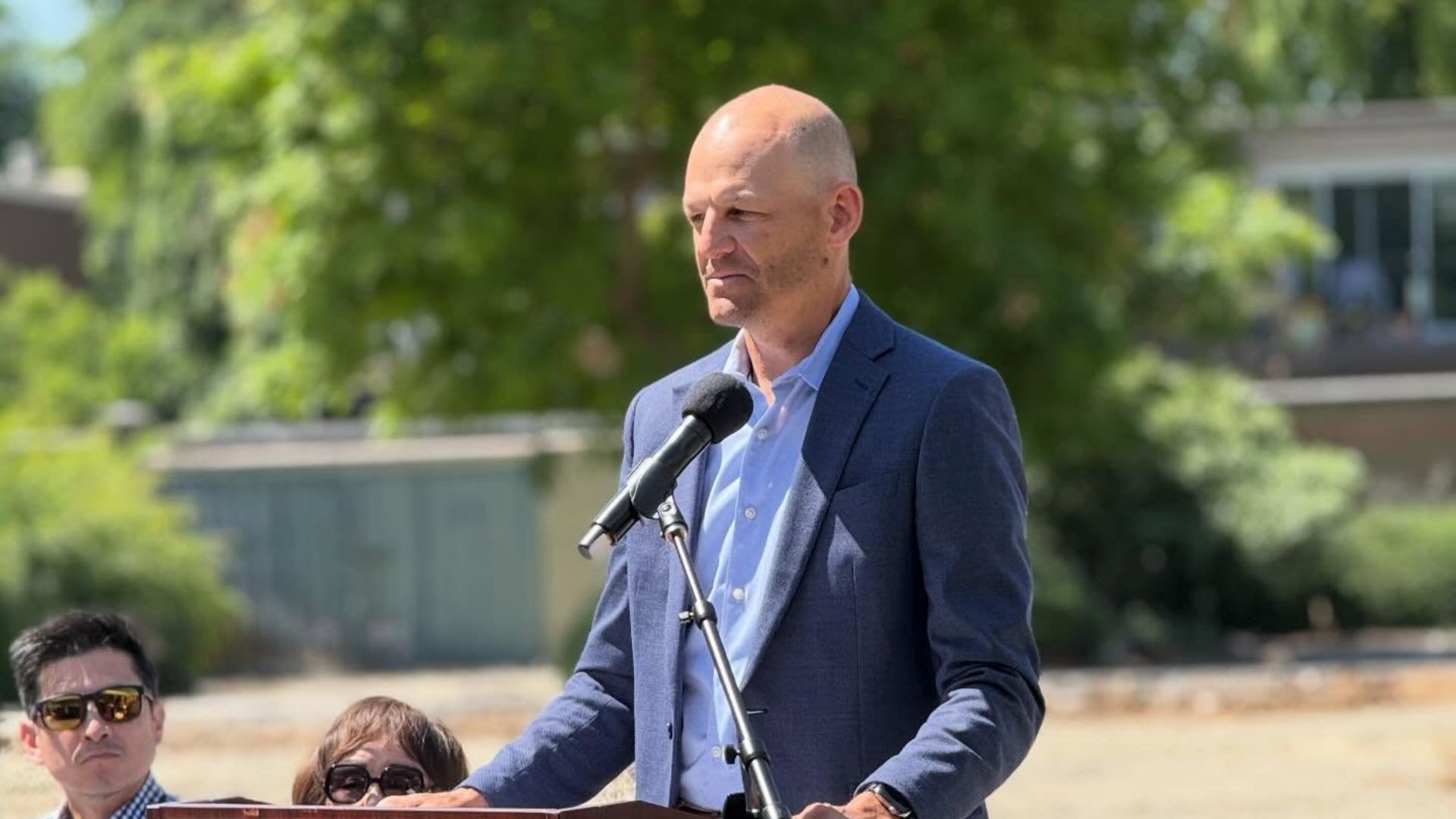
In a joint statement, Mayor Kevin McCarty and City Manager Maraskeshia Smith addressed the transition from the City Motel Program to the Emergency Shelter Vouchers for Families program, a change designed to preserve emergency shelter for families with children while tightening accountability and improving the path toward permanent housing.
“The City reformed our Motel Program following a detailed audit that identified significant operational and accountability issues that were limiting the program’s effectiveness. We stand by those reforms because they were necessary to ensure the program’s long-term sustainability and success.
“However, the implementation was disappointing. We have learned important lessons from this experience and are committed to applying them as we move forward.
“City staff and our community partners will continue working directly with families to address their individual circumstances, connect them with available shelter and housing resources, and ensure the program better serves those who need it most. We remain focused on helping every family access safe shelter, supportive services, and a pathway to stable housing.”
The statement follows reports that some families encountered difficulties as the new structure took effect, including trouble securing motel rooms through the voucher system and uncertainty over where they would stay next. Some families were reported to have spent nights in cars or parking lots after leaving prior program placements.
Sacramento’s motel shelter effort began in December 2020, during the COVID-19 pandemic, when individual rooms offered a safer alternative to crowded shelter settings and life outdoors. What began as an emergency response gradually became a major part of the city’s shelter system, increasingly serving families with minor children.
Read also: Sacramento Councilmember Phil Pluckebaum invites Sacramento families to make a splash for Pride
By January 2025, the City Motel Program had served 3,402 people experiencing homelessness, according to the City Auditor’s June 2025 review of the program. The audit found that 32 percent of participants who exited the program had moved into permanent housing. It also identified incomplete data, inconsistent service delivery, room turnover challenges, extended stays and areas where financial controls required improvement.
Those findings became the foundation for reform. City officials said the motel program, while providing important shelter, had drifted away from its emergency purpose as some stays grew longer and available rooms turned over more slowly. The auditor recommended clearer objectives, earlier and stronger case management, improved data collection and a structure more focused on rapid stabilization and rehousing.
Read also: Sacramento offers residents and business owners a front-row seat to municipal operations
In March, Sacramento’s Department of Community Response announced the new Emergency Shelter Vouchers for Families program, scheduled to begin in June. Under the new model, unsheltered families with minor children receive vouchers valued at $55 per night for an initial 28-day motel stay. Families may receive renewals, for up to approximately six months, while participating in case management and rehousing plans.
The city said the redesigned program would maintain space for about 200 families and seek placement within 24 hours of an identified need. Families with minor children already staying in the former motel program were to be offered vouchers, while other participants were to be connected with city shelter options.
Read also: Sixty-one firearms seized as Sacramento agencies dismantle suspected narcotics operation
Yet the first days of the transition exposed gaps between the planned system and the experience of families trying to use it. The acknowledgment from McCarty and Smith marks a clear recognition that a reform can be necessary on paper and still cause harm when its rollout leaves vulnerable families without a dependable landing place.
The city now faces the harder portion of the transition: making the new program work as promised. For families with children, the measure of success will not be a new name or a revised structure. It will be whether a motel room is available when needed, whether support arrives early enough, and whether emergency shelter becomes a real bridge toward a stable home.