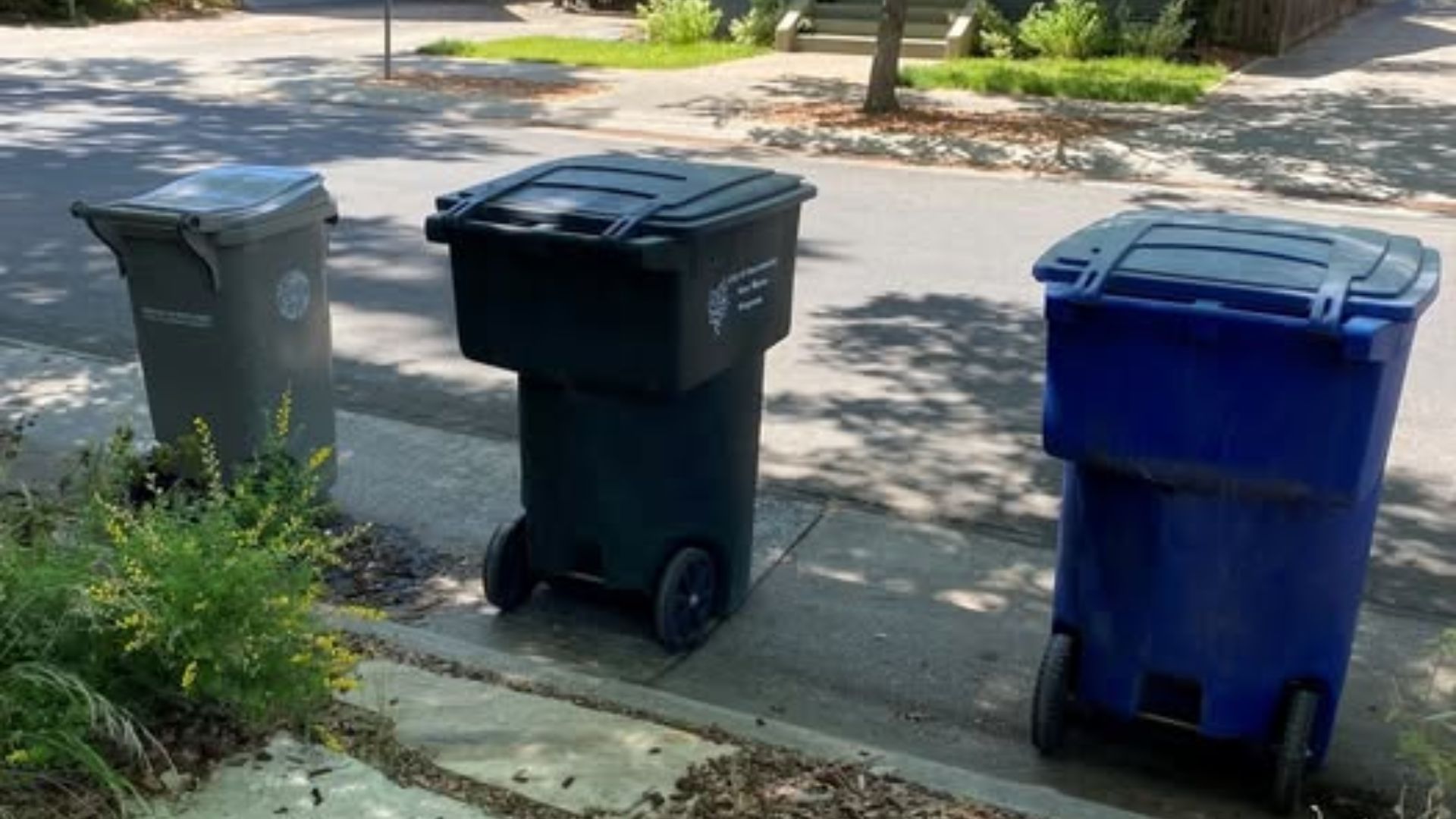

Sacramento, California – A quick lift of a garbage lid could soon reveal whether Sacramento residents are putting waste in the right place. This July, city workers will inspect selected curbside containers—not to search through anyone’s trash, but to see how well households are separating garbage, recycling and organic material.
The checks may feel unusual, but they are part of California’s effort to keep recyclable and compostable materials out of landfills. Sacramento is conducting the inspections to meet requirements under Senate Bill 1383, the state law aimed at reducing organic waste disposal and methane emissions.
Read also: North Natomas residents turn local birds into wearable art at free workshop on July 18
Recycling and Solid Waste employees will examine some garbage, mixed recycling and organic waste containers placed at the curb on regular collection days. Staff members will briefly open each lid and look inside. They will not remove, touch or handle anything in the container.
Workers will be identifiable by high-visibility vests and city badges. They will also photograph the contents of inspected containers for recordkeeping purposes.
For residents, the immediate result will come in the form of a tag.
Containers with correctly sorted materials will receive a “Great Job” tag. When workers spot contamination, they will leave a “Let’s Sort This Out” tag explaining what was found and showing where those materials should have been placed.
The inspections are educational. The city will not issue fines or penalties during the checks.
Common sorting mistakes can include cardboard or food scraps being placed in the garbage container. Garbage and plastic items inside an organic waste container are also considered contamination. These errors can prevent otherwise useful materials from being recycled or transformed into compost.
Households with excessive contamination may be asked to remove the incorrect items and dispose of them through the proper service. The correct option will depend on what was found. Some materials can simply be moved to another curbside container. Others may need to be taken to a Household Hazardous Waste Facility.
Large unwanted items could require a Household Junk Pick-up, while appliances and electronic products may need an Appliance and E-Waste Pick-up.
The difference between correct and incorrect sorting extends well beyond collection day. Contaminated loads can disrupt recycling operations, keep recoverable materials from being reused and raise collection and disposal costs. When recyclable products are thrown away, more natural resources—including timber and water—may be needed to manufacture replacements.
Food and yard waste create another concern. When organic material is buried in a landfill, it breaks down over time and releases methane, a greenhouse gas that contributes to global climate change.
Sacramento residents can help reduce that impact by placing food waste, food-soiled paper and yard trimmings in the organic waste container. Instead of being buried, those materials can be processed into compost and returned to productive use.
The July checks are designed to make those sorting rules clearer, one curbside container at a time. More information about collection services, accepted materials and special disposal options is available at sacrecycle.org.