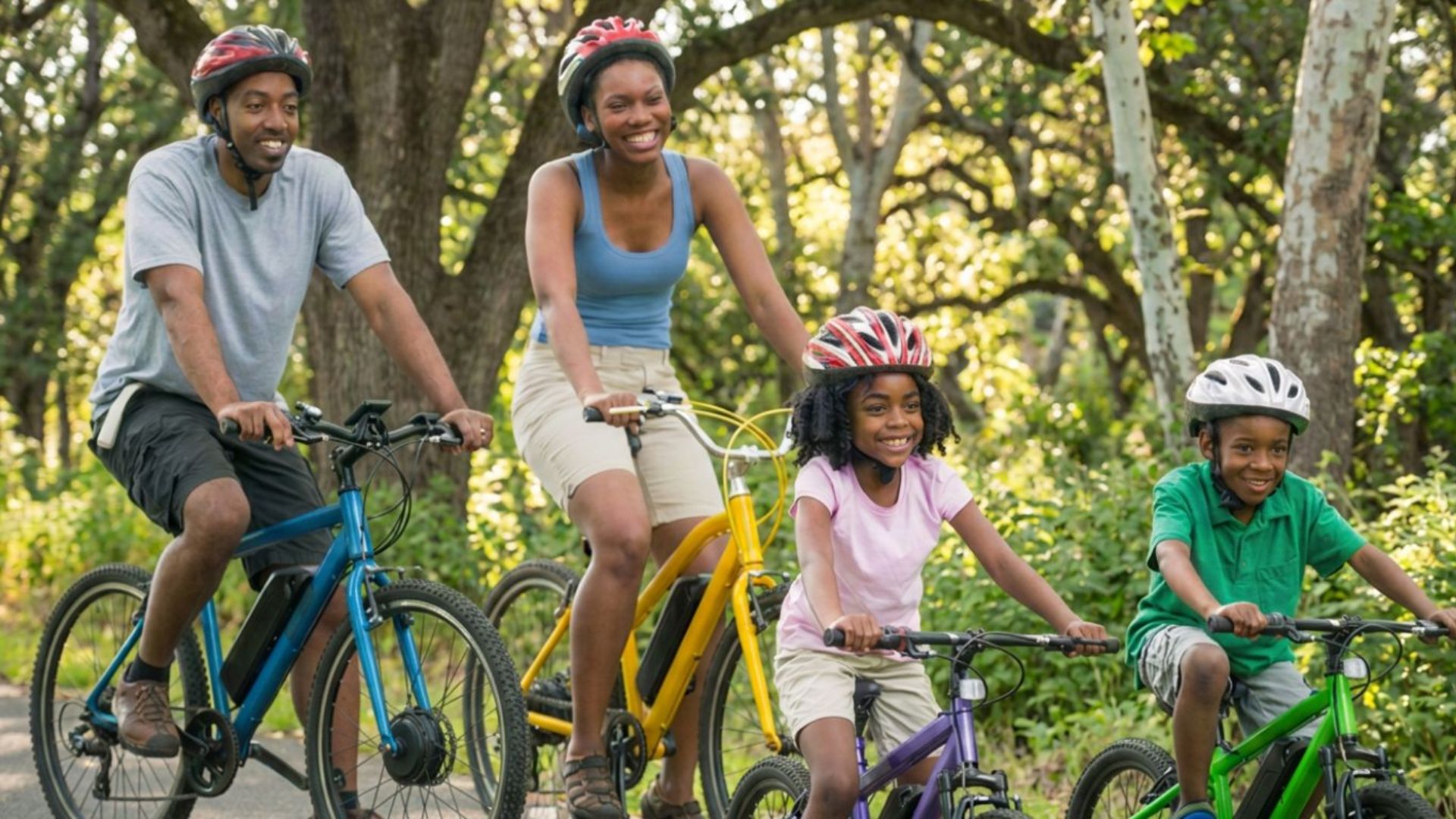

Sacramento, California – Sacramento’s growing e-bike scene has brought speed, convenience and a new layer of confusion to city streets. A bike with a battery may look simple, but under California law, small differences in power, pedals and top speed can completely change where it may be ridden and what rules apply.
That is why the Sacramento Police Department joined the Sacramento County Sheriff’s Office, Galt Police Department, Sacramento State Police Department and Sacramento County Rangers to give riders and parents a clearer look at electric bicycle safety. Their message is direct: know what you are riding before taking it onto a road, bike lane or trail.
California defines an e-bike as a bicycle with working pedals and an electric motor rated at no more than 750 watts of continuous power. In Sacramento, legal e-bikes may generally travel anywhere traditional bicycles are permitted, including bike lanes, bikeways and shared-use paths.
The law divides e-bikes into three classes. Class 1 models provide pedal assistance only and stop helping at 20 mph. Class 2 bicycles may use either pedal assistance or a throttle, but motor assistance is also capped at 20 mph. Class 3 e-bikes are pedal-assist only, can provide assistance up to 28 mph and must include a speedometer. Riders of Class 3 models must be at least 16 and wear a helmet.
Beginning in January 2027, e-bikes sold in California must carry a label showing their class, maximum assisted speed and motor wattage. Modifying a bicycle so it exceeds the legal e-bike limits is prohibited.
Devices with motors above 750 watts, speeds beyond 28 mph or no usable pedals may instead be treated as motor vehicles. That distinction can trigger licensing, registration, helmet and operating-location requirements. E-mopeds require riders to be at least 16, properly licensed, registered and equipped with plates. They are not allowed in bike lanes, bikeways or shared-use trails. E-motos are off-highway motorcycles and may only be used in designated areas after DMV registration.
Helmet rules are also central to the safety campaign. Every rider or passenger under 18 must wear a properly fitted helmet that meets CPSC or ASTM standards. Helmets are mandatory for everyone on a Class 3 e-bike, regardless of age.
Parents also face potential financial consequences. Under California Civil Code Section 1714.1, a parent or guardian may be jointly liable for up to $25,000 per incident when a minor’s willful misconduct causes injury, death or property damage.
Police are urging families to match devices with a young rider’s age and ability, review trail restrictions and reinforce safe habits such as riding with traffic, obeying road rules and respecting pedestrians.
Know what you’re riding. Know the rules. Ride safe.