

Sacramento, California – For Californians thinking about buying an electric vehicle, the biggest change may happen before they ever leave the dealership. A new state-backed program is now cutting as much as $3,500 from the price of a first zero-emission vehicle, with the discount applied instantly instead of through a later rebate process.
Governor Gavin Newsom announced the launch as California also crossed another clean-energy milestone: more than 21,000 megawatts of battery storage are now connected to the state’s power system, giving the grid more capacity to store solar energy for use after sunset.
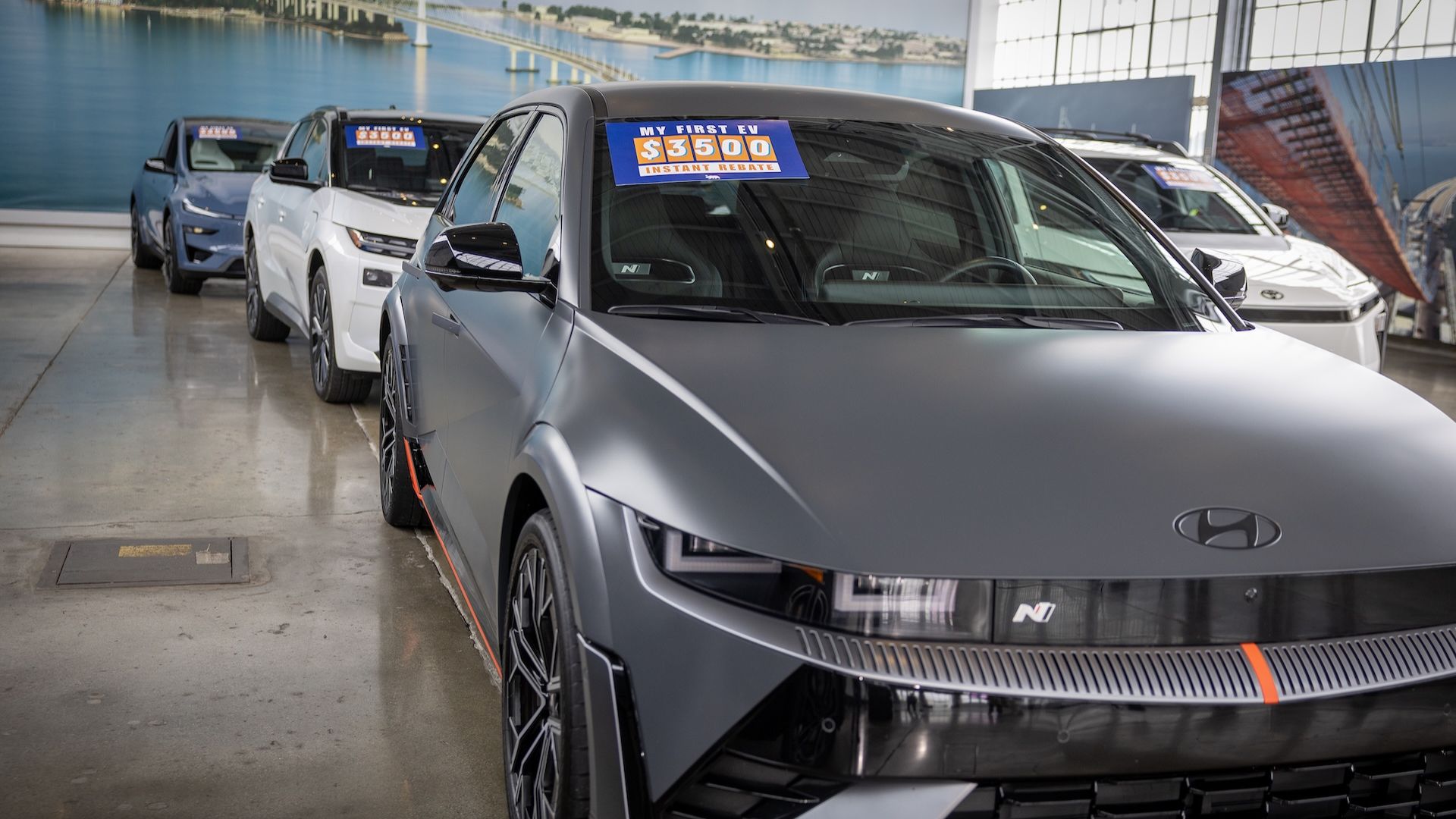
The vehicle incentive is offered through California’s MyFirstEV program. Hyundai, Lucid and Tesla are already participating, while Ford, Rivian, Chevrolet and Kia are expected to join in August. Toyota/Lexus, Honda and Subaru are scheduled for September, Mitsubishi for November, and Nissan and Volvo have not yet announced launch dates.
Eligible Californians buying their first ZEV can receive $3,500 off a new vehicle with a manufacturer’s suggested retail price of up to $50,000. Buyers of qualifying used zero-emission vehicles priced at up to $25,000 through manufacturers’ pre-owned programs can receive $1,750.
The state has committed $135.5 million to the program, with participating automakers matching that amount dollar for dollar. That creates $271 million in potential point-of-sale savings. More information is available through the state’s participating manufacturers page.
“MyFirstEV makes EV ownership possible for more Californians,” California Secretary for Environmental Protection Yana Garcia said. “With this program, we continue to lead through innovative policies that clean our air, protect health and provide more affordable options for working people.”
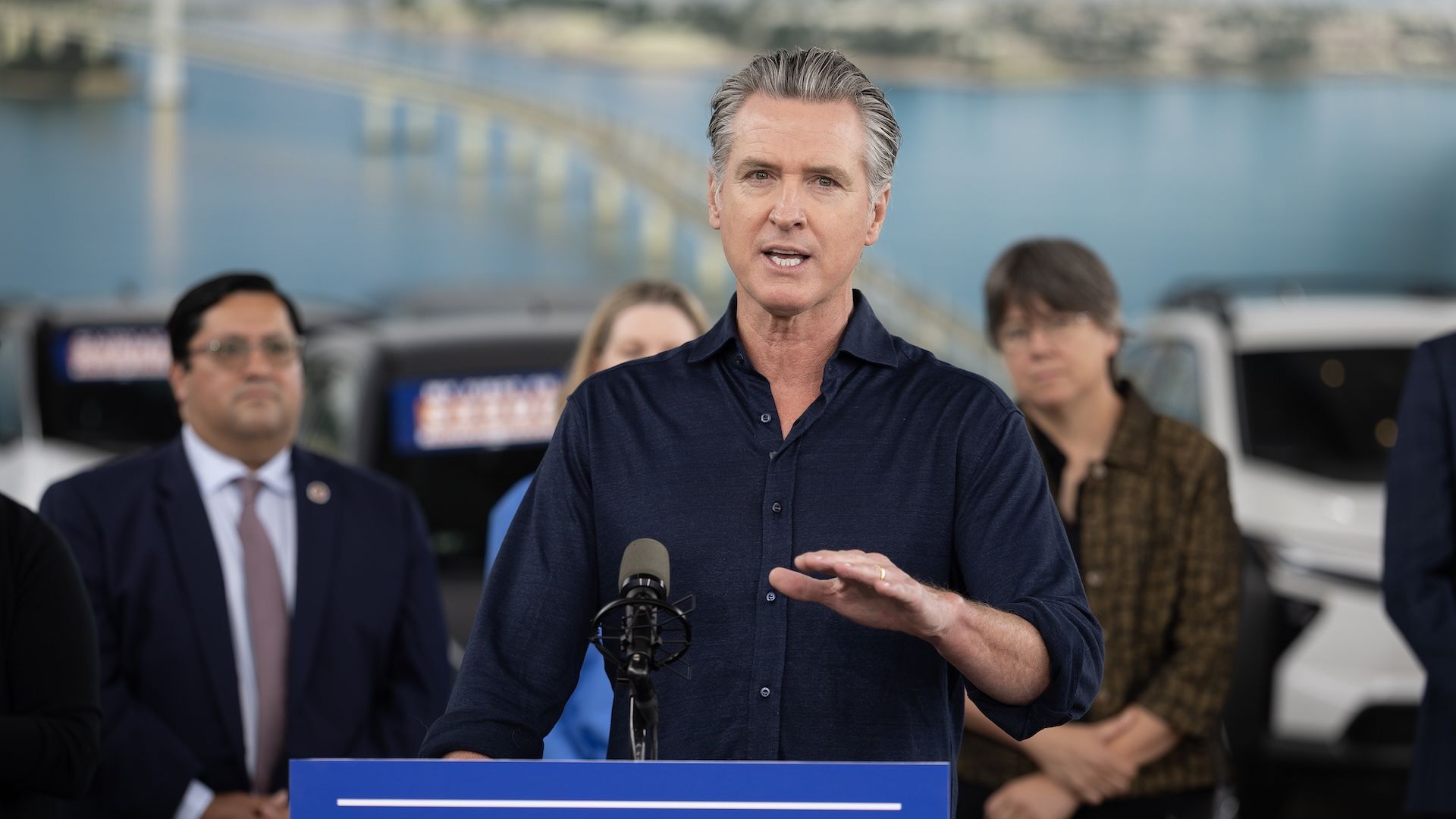
Newsom tied the rebate program to California’s broader effort to reduce dependence on fossil fuels and lower transportation emissions. Transportation accounts for about 60% of the state’s smog-forming pollution and 40% of its greenhouse gas emissions, while nearly 18 million Californians live in areas with unhealthy air.
At the same time, California’s battery fleet has expanded rapidly. Fewer than 700 megawatts were connected to the grid when Newsom took office in 2019. The total has now reached 21,112 megawatts, including about 18,000 megawatts of grid-scale storage and roughly 3,000 megawatts at homes, schools, farms and businesses.
Solar generation has grown alongside that storage. During the first half of 2026, solar became California’s largest source of electricity, surpassing natural gas for the first time over that period. Compared with the same six months of 2024, solar use increased 22%, natural gas use fell 51%, and grid battery capacity rose 80%.
“California is showing the world what real economic security looks like,” Newsom said. “It’s one that can’t be held hostage by foreign conflicts and Big Oil. The Golden State is leading the charge on building a reliable, affordable clean future.”