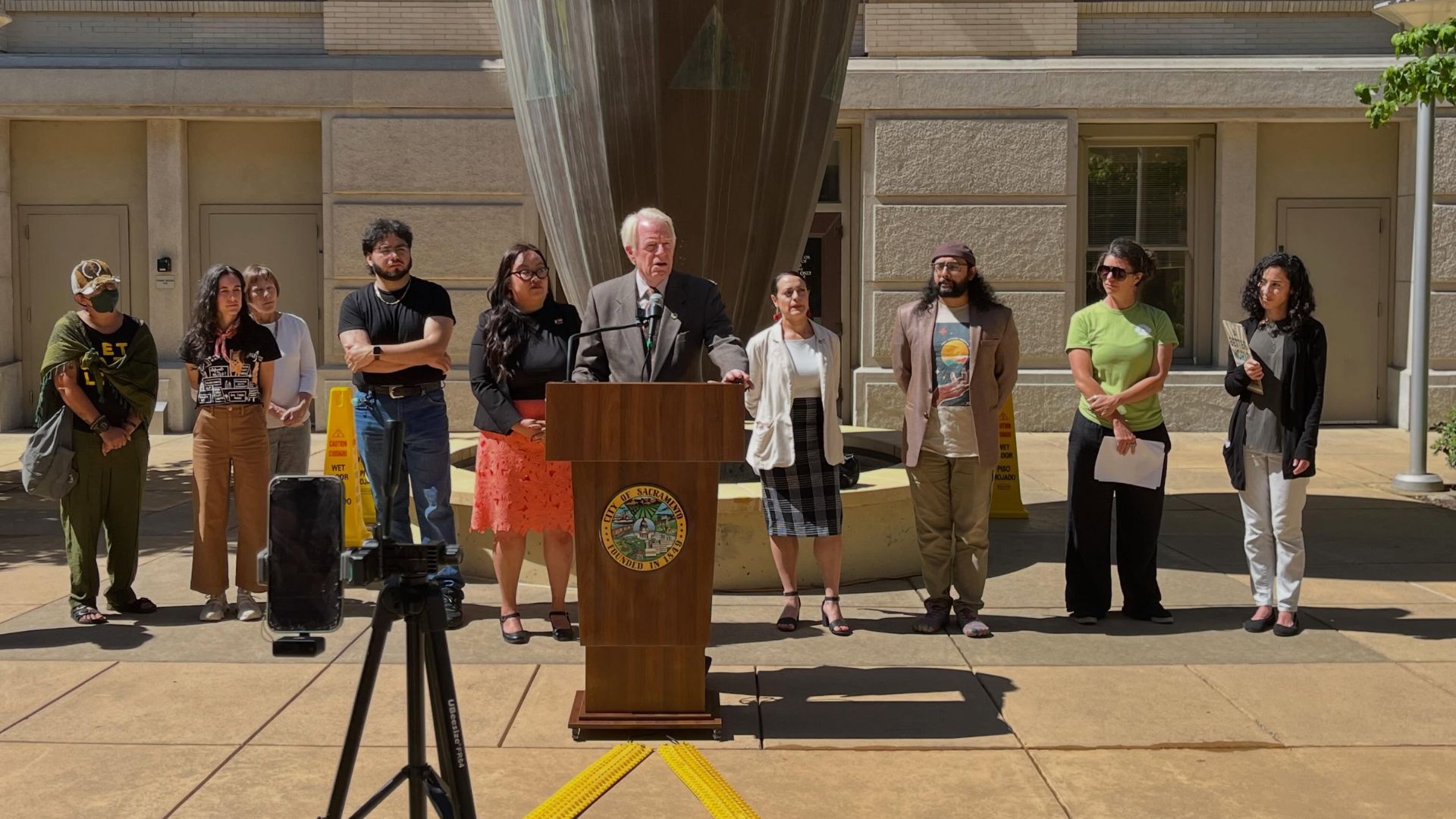

Sacramento, California – The Sacramento City Council approved an addition to the city’s Investment Policy on June 9, formalizing socially responsible investment standards for the funds managed through the City Treasurer’s Office.
The action came through File ID 2026-00851, listed as the “City of Sacramento Investment Policy and Delegation of Investment Authority to City Treasurer,” which asked the council to approve the policy for pooled city funds and delegate investment authority for pooled and non-pooled funds to the treasurer or designee.
The change was not written as a full rewrite of Sacramento’s investment system. It was added to the annual policy, like a new page placed into an old book that suddenly changes how the rest of it reads.
The staff report says the redline version includes “additional language regarding socially responsible investments,” and notes that the city’s Investment Policy was last approved on Aug. 12, 2025, through Resolution No. 2025-0216.
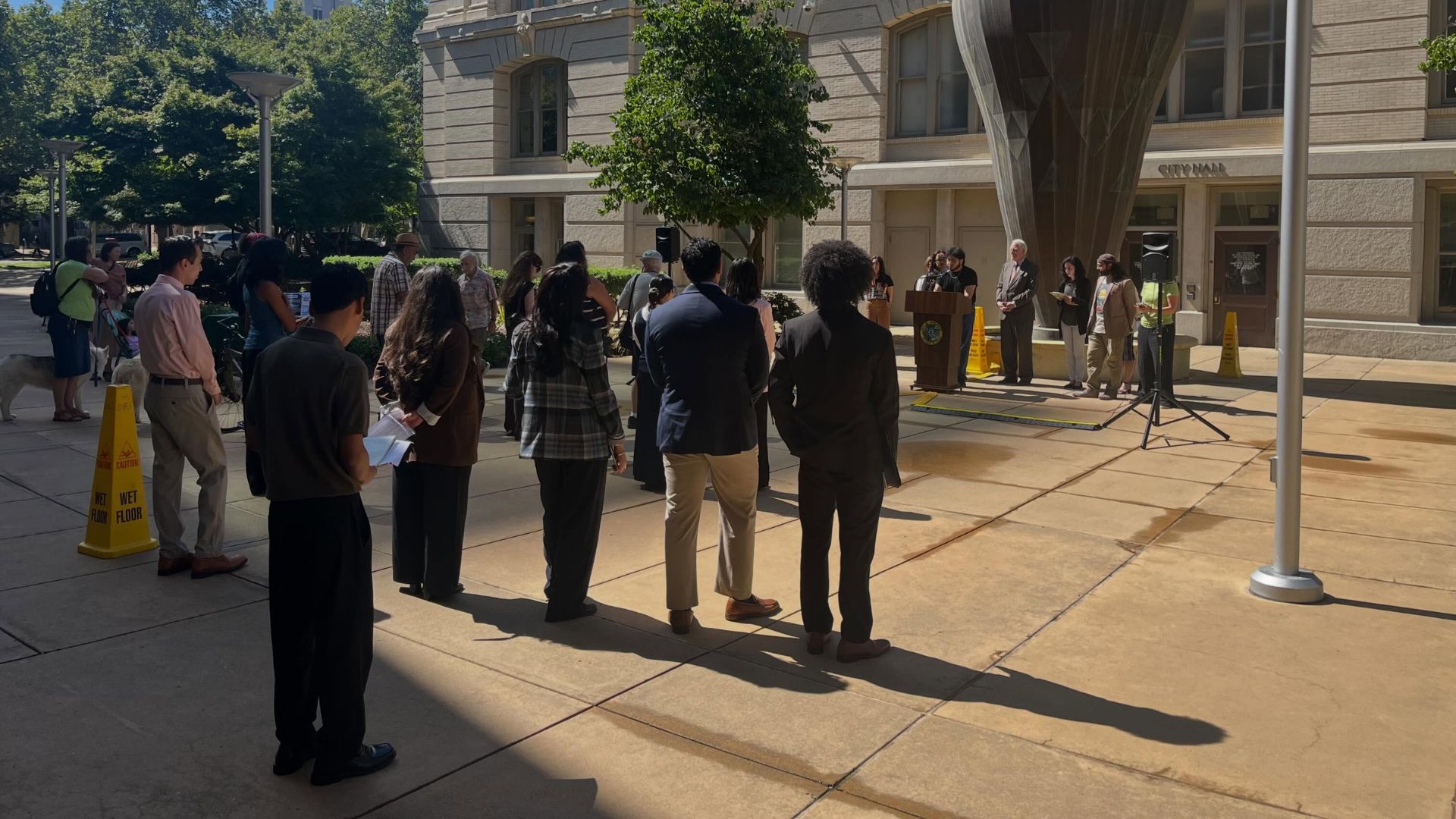
Councilmembers Roger Dickinson of District 2 and Mai Vang of District 8 co-authored the update. Dickinson highlighted the move on Instagram as an effort to better align city investments with community values. Behind the council action was a long push from the Reinvest in Sacramento coalition, which urged City Hall to adopt a stronger policy for public funds and to “divest from destruction and reinvest in our communities.”
The coalition’s petition called for standards tied to the city’s 2040 General Plan, human rights, workers’ rights, environmental justice, housing, transportation, education and other local needs.
The newly added section, titled “Socially Responsible Investments,” says these standards are part of an impact-driven but financially prudent policy. It directs the City Treasurer to use screening criteria when making investment decisions, as long as those criteria do not compromise the city’s primary investment objectives: safety, liquidity and yield. It also keeps the city within the “prudent person” standard that guides public investment decisions.
Under the policy language, city funds may not be invested in companies involved in manufacturing tobacco or tobacco-related products. The policy also bars investments in individual publicly traded fossil fuel companies. That step builds on earlier city actions praised by advocates, including Sacramento’s previous divestment from fossil fuel companies in 2019 and tobacco companies in 2021. The new language helps prevent a future return to those industries by putting the restriction directly into the policy framework.
The policy also reaches beyond tobacco and fossil fuels. It restricts investments in companies found to have committed or enabled severe human rights or international humanitarian law violations, including child labor, forced labor and forced community resettlement. It also limits investments in companies whose main operations include chemical or biological war weapons, bombs, certain civilian-marketed firearms, mass incarceration, detention, private prisons, prison labor, immigration detention or surveillance technology.
At the same time, the policy points toward where city money should go when possible. It says investments should, when feasible, prioritize local financial institutions, companies and organizations that support the well-being of Sacramento residents. Examples include securities that support community development and green municipal bonds that finance sustainable energy, transportation and infrastructure.
For advocates, the approval marks a shift from case-by-case divestment toward a standing rulebook. For the city, it keeps the familiar financial order intact: protect principal first, meet cash needs second, and seek return third. The result is a policy that tries to walk a narrow line — keeping Sacramento’s treasury stable while making clearer what kind of business the city does not want its money to support.