

Marisol Vega knows which grocery store has cheaper eggs, which gas station drops prices on Tuesdays and which bill can wait three days without turning into a problem.
She did not always live this way. There was a time when her budget in Riverside County felt tight but honest. Rent came first. Then groceries. Then gas. Then the phone bill, school clothes, electricity, car insurance and whatever her two children needed before the next paycheck. It was never easy. But it usually worked.
Now, she says, the math feels different.
“I’m not buying anything extra,” Marisol said. “That’s what scares me. I cut the extras already. Now I’m cutting pieces of normal life.”
Read also: In San Francisco, homelessness keeps testing the city’s promise to itself
That is the quiet shape of California’s cost-of-living crisis. It is not only the price of a house in San Francisco or rent in Los Angeles. It is the way every basic need seems to arrive with a higher number attached: housing, food, gas, electricity, insurance, child care, health care, school supplies.
California still offers opportunity. It has one of the largest economies in the world, major job centers, public universities, cultural power and entire industries that define the country’s future. But for many families, the state’s promise now comes with a warning label: you may be able to earn more here, but it may still not be enough.
The U.S. Census Bureau puts California’s median household income at $99,122 from 2020 to 2024. That looks strong on paper. The same table lists the median value of owner-occupied homes at $734,700, median gross rent at $2,036 and median monthly owner costs with a mortgage at $2,946.
Those figures explain why many Californians feel middle-income but not secure. The state is expensive before a family makes one choice. California’s high cost of living is not a feeling. It is measurable.
The U.S. Bureau of Economic Analysis found that California had the nation’s highest regional price parity in 2024, at 110.7, meaning prices were 10.7% higher than the national average. Its housing-rent price parity was 154.3, the highest among states. That is the backdrop for every family budget.
Marisol sees it at the kitchen table. A raise at work disappears into rent. A tax refund disappears into car repairs. A cheaper grocery trip still costs more than it used to. Even when nothing dramatic happens, the month feels like damage control.
“I used to think emergency meant something big,” she said. “Now emergency means the electric bill came the same week as school shoes.”
The MIT Living Wage Calculator estimates that a single adult in California needs $30.48 an hour to cover basic needs. For one adult with one child, the living wage rises to $53.54 an hour. With two children, it rises to $70.49. California’s minimum wage is far below that. Many full-time workers earn more than minimum wage and still fall short of what the calculator says it takes to live without constantly falling behind.
That gap is where financial hardship lives. Not always in unemployment. Not always in poverty as people imagine it. Often in full-time work that cannot catch up with full-time costs.
Read also: Letter to the editor: Sacramento changed and I miss when people actually let each other merge
Housing eats first
Housing remains the largest pressure point. RentCafe reported that the average apartment rent in California was $2,651 as of June 2026. A studio averaged $2,058. A one-bedroom averaged $2,426. A two-bedroom averaged $2,853.
For a parent, a two-bedroom is not a luxury. It is the difference between children sharing a room and a parent sleeping in the living room. It is the difference between staying near school and moving farther away. It is the difference between a manageable commute and a daily sacrifice.
Buying is even harder. Zillow estimated the average California home value at $776,233 in spring 2026. The California Association of Realtors reported that only 22% of California households could afford the $843,390 median-priced single-family home in the first quarter of 2026. The minimum income needed was $204,800 to make monthly payments of $5,120, including principal, interest and taxes.
That turns homeownership into something many families can see but not reach.
Marisol stopped going to open houses after the third lender conversation. She did not need another person to tell her she was responsible, close and still not close enough.
“It’s strange,” she said. “You can do everything right and still feel like the state moved the finish line.”
Food, gas and utilities close the gap
The problem is not housing alone. It is housing plus everything else. Public Policy Institute of California testimony noted that food prices were about 30% higher in July 2025 than before the pandemic and that lower-income Californians spend about 80% of household expenses on basic necessities: food, housing, transportation and health care.
That matches Marisol’s life. She does not think of inflation as an index. She thinks of it as strawberries left on the shelf. Meat bought only on sale. Cereal that lasts four days instead of a week. A child asking why the cart looks different.
Read also: For Sacramento families, the housing math keeps getting harder
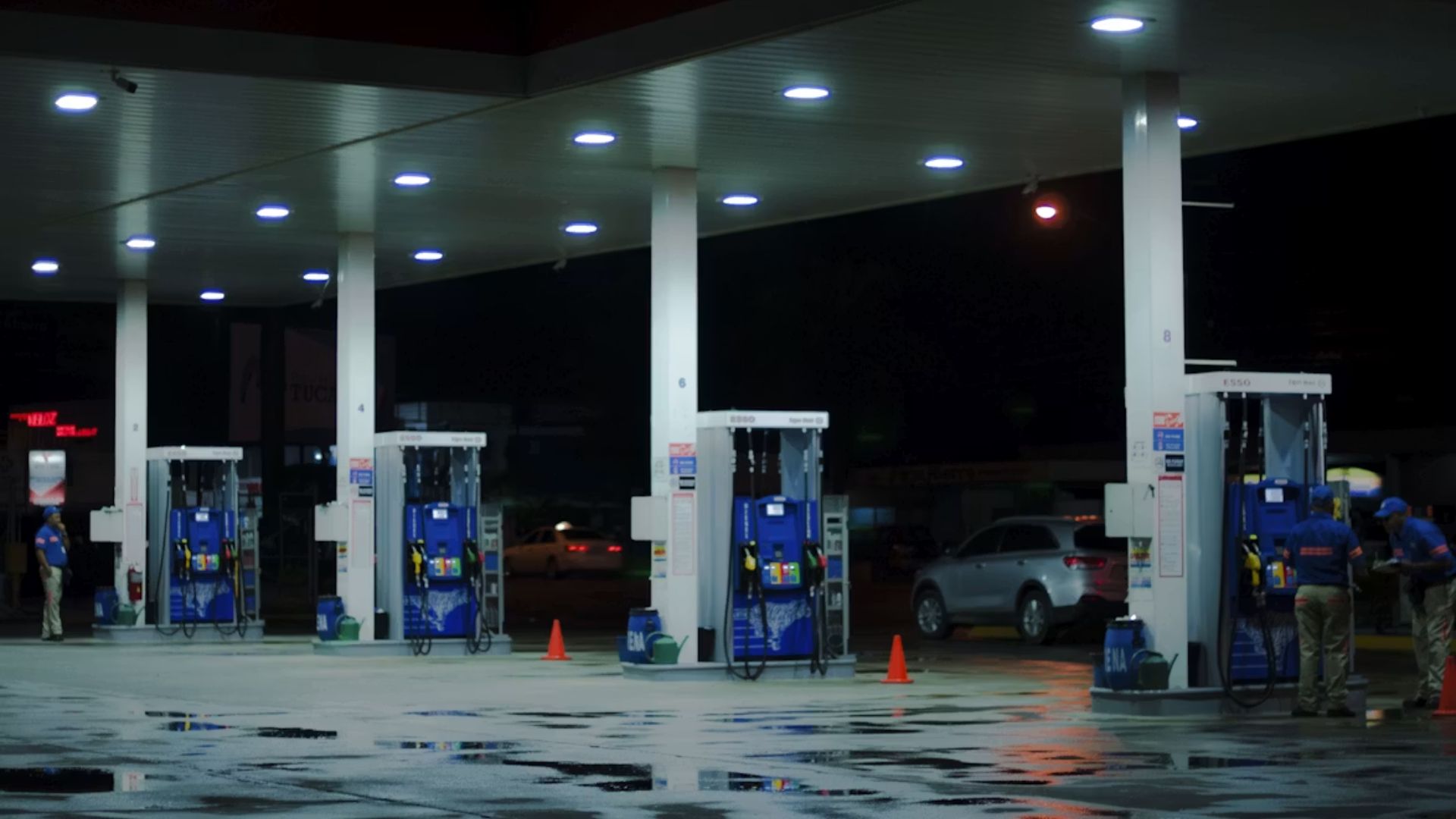
Gas makes the same point. AAA listed California’s average regular gas price at $5.741 on June 16, 2026, compared with a national average just above $4. For a worker with a long commute, that difference is not symbolic. It is rent money, grocery money or the reason a family skips a weekend visit.
Electricity adds another squeeze. The U.S. Energy Information Administration reported California’s residential electricity price at 33.35 cents per kilowatt-hour in March 2026, compared with the U.S. average of 18.56 cents.
A hot week is no longer just weather. It is a bill coming later. Marisol tells her children not to leave lights on. She delays laundry until evening. She watches the thermostat like it is another bank account.
“I don’t want my kids to feel poor,” she said. “But sometimes the rules in the house are really just the budget talking.”
Hardship is wider than official poverty
California’s official poverty rate does not fully capture the pressure because the cost of living is so high.
The Public Policy Institute of California found that in 2023, 34.8% of Californians, about 13.2 million people, were poor or near poor under the California Poverty Measure. About 1.7 million were in deep poverty.
United Ways of California’s Real Cost Measure found that 35% of households, more than 3.8 million families, did not earn enough to meet basic needs. Those are not fringe numbers. They describe a state where financial insecurity has become ordinary.
It includes renters who are not homeless but cannot save. Parents who work full time but rely on credit cards. Seniors who own homes but struggle with utilities, taxes and insurance. Young adults who delay children. Families who move inland, then farther inland, then out of state. Workers who serve communities they cannot afford to live in.
Marisol says the hardest part is the shame. Not because she is careless, but because the public conversation often treats hardship as a personal failure.
“I know how to budget,” she said. “I know how to say no. I know how to stretch food. What I don’t know is how to make California cost less.”
The tradeoffs are becoming the story
California’s cost-of-living crisis is often discussed as policy: housing production, utility regulation, wages, taxes, transportation, food assistance, health care subsidies. Those debates matter. But residents feel the crisis as tradeoffs.
Pay rent or pay down debt. Keep the car insured or delay the dentist. Buy fresh food or buy enough food.
Take a second job or be home for homework. Stay close to family or move somewhere cheaper.
For Marisol, the tradeoffs have become smaller and more personal. Her son wants basketball shoes. Her daughter wants to join a school club with a fee. Her mother needs help with prescriptions. The car needs tires before winter. None of these are extravagant asks. Together, they become the month.
That is why California’s affordability problem is not only an economic issue. It is a civic one. A state cannot depend on teachers, medical assistants, warehouse workers, child care providers, restaurant staff, farmworkers, clerks, caregivers and public employees while making ordinary life feel financially impossible.
The question is not whether California is worth living in. Millions still believe it is. The question is whether the state can remain livable for the people who keep it running. Marisol sat at the kitchen table after her children went to bed. She moved $40 from savings to checking. Then she erased “savings” from the notepad and wrote “gas.” The amount was small. The feeling was not.
“It’s not that I want to leave,” she said. “I want to stay without feeling like staying is breaking me.”
Outside, the apartment complex was quiet. A neighbor carried groceries upstairs. A car alarm chirped. Somewhere behind another door, another family was probably doing the same math.
In California, that has become the sound of getting by.