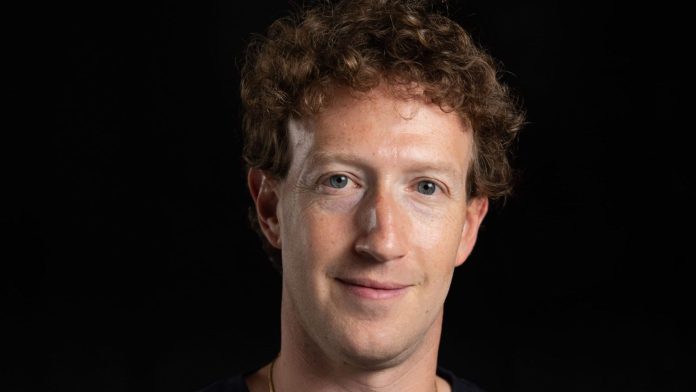

California – Mark Zuckerberg is getting ready to move to South Florida, which is a big change from the Silicon Valley environment where he has lived and worked for a long time. The CEO of Meta is buying a huge waterfront mansion in Miami. Critics and those who live nearby have been watching his collection of residences in Palo Alto for years.
Several well-known billionaires are thinking about cutting ties with California amid discussion of a one-time tax that would apply to anybody worth at least $1 billion, starting in 2026.
Read also: Community workshop to shape safer bike and pedestrian corridor along H Street in Sacramento
Larry Page and Sergey Brin, the co-founders of Google, Larry Ellison, the co-founder of Oracle, and investor Peter Thiel are all well-known people in business and technology who have already left the state. If the move goes through, Zuckerberg would be the most recent name on that list.

Reports say that Zuckerberg and his wife, Dr. Priscilla Chan, want to buy a nearly finished mansion on Indian Creek Island, a small man-made enclave with few homes and its own police presence.
The limestone property, which is offered for $200 million but hasn’t been sold yet, is more than 27,000 square feet and has a lot of features, such as several bedrooms, a gym, wellness rooms, a big aquarium, and a library that can only be reached by a secret passage. Other famous people from business and sports might also live on the island.
Despite the move, there is no sign that Zuckerberg plans to sell the 11 houses he bought in Palo Alto’s Crescent Park area. This project cost more than $110 million and has involved ongoing construction.
People who live nearby have complained about noise, privacy, and parking problems, which has led local officials to look into making guidelines for large residential compounds. However, no formal regulations have been made yet.
At the same time, a labor organization is getting people to support a ballot proposal related to the planned billionaire tax. Supporters say this tax might help pay for hospitals after federal policy changes that influence health insurance subsidies.