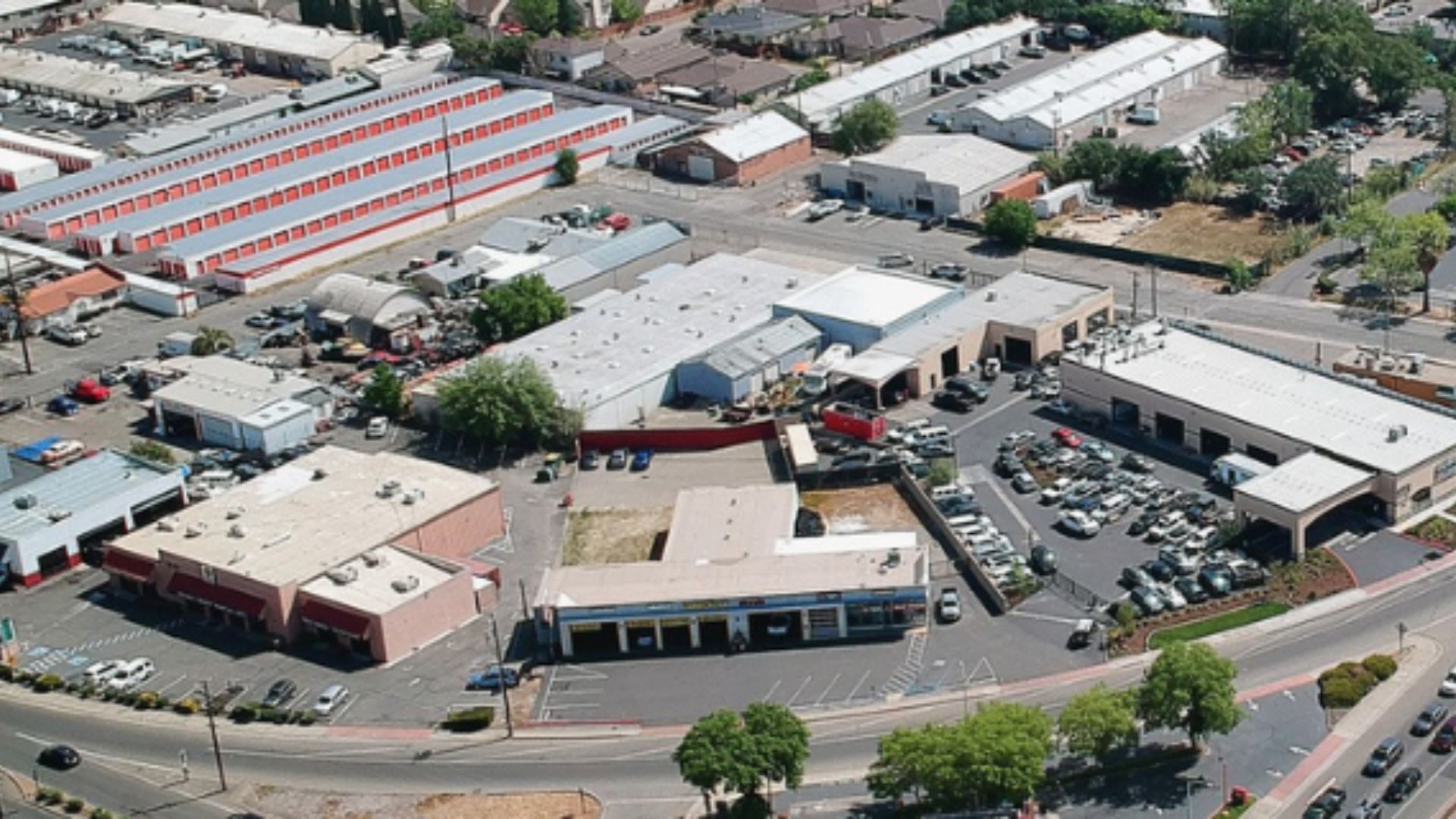

Sacramento County, California – Commercial corridors rarely announce when they begin to slip. A vacant storefront appears, a parking lot stays half-empty, or a once-busy strip stops drawing the kind of investment that keeps a neighborhood moving.
Sacramento County now wants to get ahead of that decline—and identify where the next wave of opportunity could begin.
The County has released a Request for Proposals for an Investment and Revitalization Strategy covering commercial corridors across unincorporated Sacramento County. The goal is not simply to produce another planning document. Officials are seeking an actionable roadmap that can guide redevelopment, direct public and private dollars, strengthen local business districts and support long-term economic growth.
“Our commercial corridors are where people shop, eat, work and do business every day,” said Crystal Bethke, Director of Sacramento County’s Office of Economic Development. “We want to understand what each area needs to attract more investment and create places that better serve the people and businesses who rely on them.”
The Office of Economic Development is leading the effort in partnership with the Department of Community Development. Together, the agencies want the strategy to identify realistic opportunities in places that may have very different needs, market conditions and development potential.
That distinction matters. A corridor with aging retail centers may require a different approach than one with underused land, housing pressure or infrastructure gaps. Rather than applying one formula across the County, the project is expected to examine each area on its own terms and recommend market-driven actions that reflect local conditions.
The selected consultant will study 15 commercial corridors. The work will include reviewing market conditions, measuring redevelopment potential, identifying priority opportunity sites and determining their highest and best uses. The consultant will also recommend policy changes, infrastructure improvements and implementation plans for pilot corridors.
Housing will be part of the discussion where it is considered appropriate. The County says the strategy should look at how commercial areas can support stronger neighborhood centers while also creating housing opportunities, encouraging business activity and making better use of public investment.
“Revitalizing our commercial corridors is about creating communities that are resilient, connected and built for the future,” said Troy Givans, Sacramento County’s Community Development Director. “This effort will help us shape places that support housing, local businesses and public investment while ensuring redevelopment reflects the unique needs and identity of each corridor.”
The strategy will build on earlier County planning efforts, but its emphasis will be on implementation. That means moving beyond broad goals and identifying specific steps that can realistically be carried out, including which sites should be prioritized, what obstacles may stand in the way and where government action could help unlock private investment.
Interested applicants are being asked to review the RFP and all submission requirements before applying. Consultant proposals are due Sept. 4.
After the proposals are evaluated, the project will require approval from the Sacramento County Board of Supervisors. County officials anticipate beginning the work later this year.
The process could shape how unincorporated communities grow for years to come. For residents and business owners, the result may eventually be visible in practical ways: renewed shopping areas, better-connected neighborhoods, new housing where it fits and commercial districts that once again feel built around the people who use them every day.