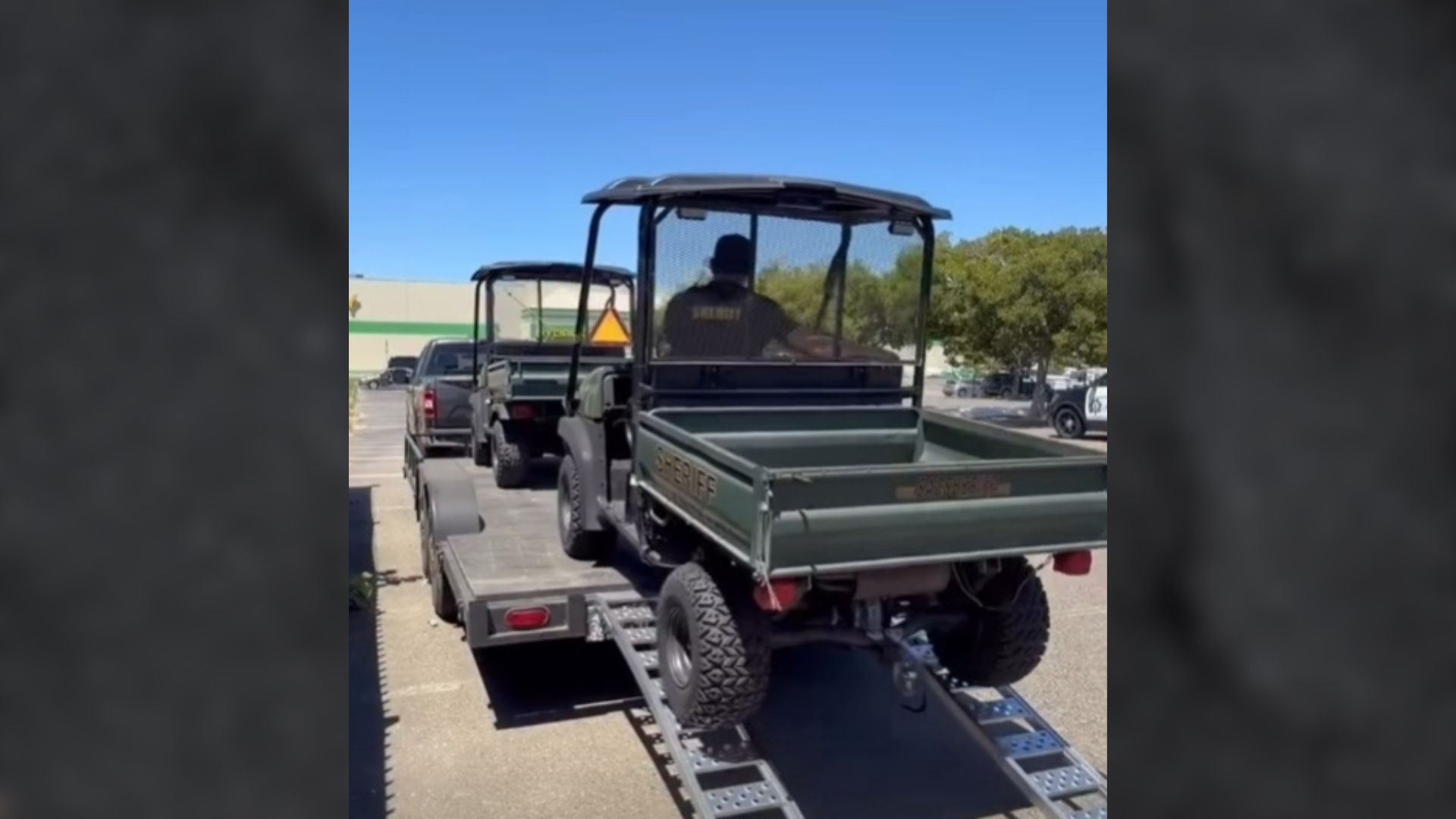

Sacramento, California – Some homeless camps were hidden so deeply along county waterways that standard patrol vehicles could not reach them. Deputies needed a different kind of access—and recently restored utility terrain vehicles provided it.
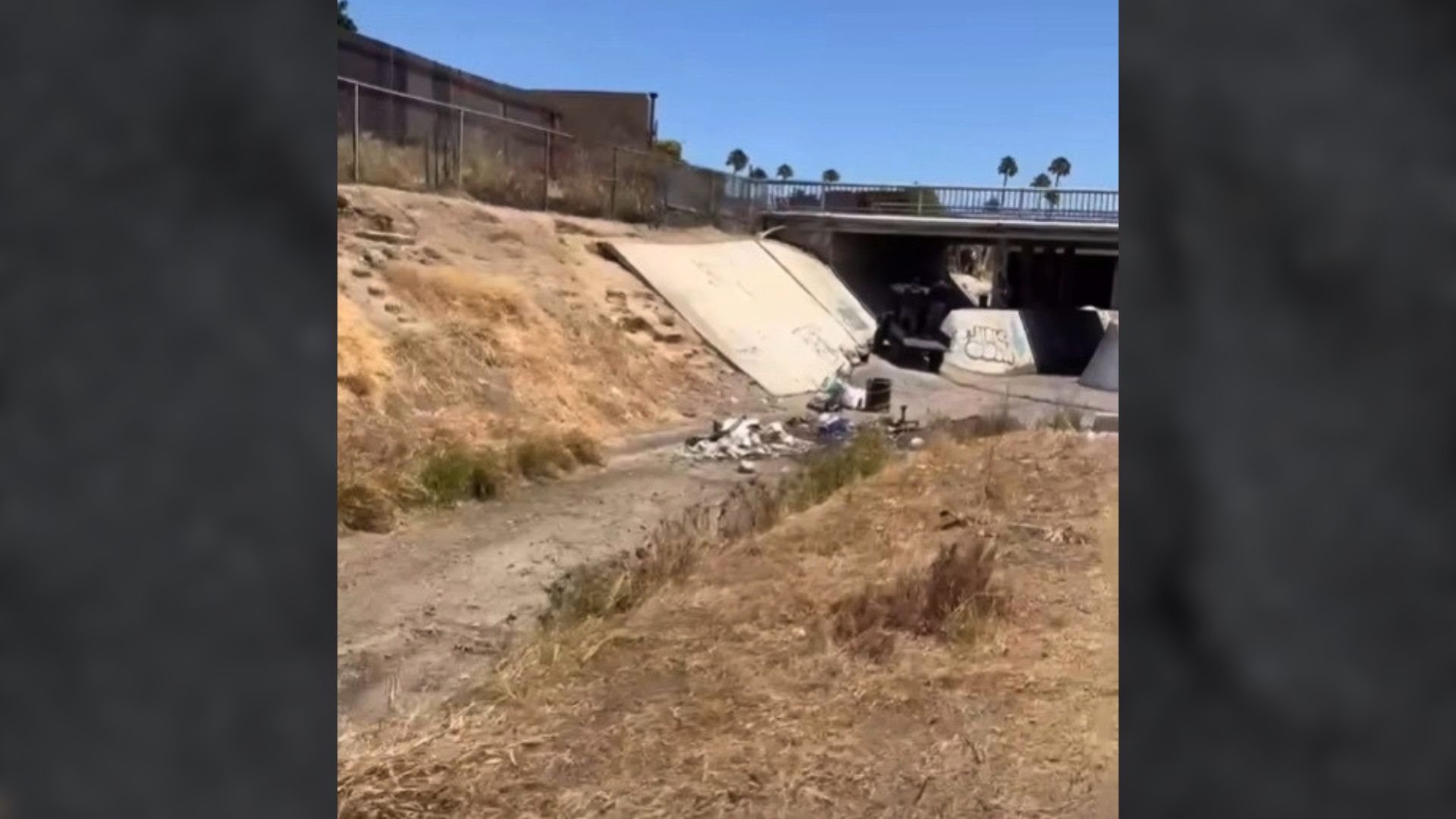
The operation uncovered more than a dozen occupied encampments in and around canals, storm drains and other water channels. Some had been carved directly into the banks, raising concerns not only about public safety but also about the stability and function of the waterways themselves.
Members of the Sheriff’s Central Problem-Oriented Policing Team and Homeless Outreach Team used the restored UTVs to travel into areas that were difficult or impossible to approach with regular patrol vehicles or heavy machinery. Deputies contacted nearly 20 people during the operation.
Read also: Sacramento County inmate dies after deputies find him unresponsive in medical cell
Dozens of citations were issued, and one person was arrested on an outstanding felony warrant.
The findings showed how far some encampments had expanded into hard-to-reach sections of the county’s drainage system. In several locations, people had dug spaces into the sides of waterway banks to create shelter. That activity had compromised portions of the banks and created additional environmental concerns.
Read also: Sacramento police urgently search for at-risk woman missing from Rose Street
Keeping canals and storm drains open is especially important because debris, structures and accumulated materials can block or reduce water flow. Even a partial obstruction can create problems when heavy rain sends large amounts of water through channels designed to move it quickly away from neighborhoods and roads.
The same waterways also pose a serious danger to anyone living inside or beside them. Conditions can change rapidly during storms, and water levels may rise with little warning. An area that appears dry or calm can become life-threatening once runoff begins moving through the system.
The restored UTVs allowed deputies to reach locations that had largely remained outside the range of traditional enforcement and outreach operations. Their use gave the teams a closer look at camps that might otherwise have gone unnoticed until a storm, erosion problem or blockage created a larger emergency.
The operation combined enforcement with direct contact in places where access had previously been limited. It also highlighted the challenge of addressing encampments that sit at the intersection of homelessness, environmental protection and flood safety.
For county officials, the work is not only about reaching people living in remote camps. It is also about protecting waterways that must remain stable, clear and capable of carrying fast-moving stormwater when conditions suddenly turn dangerous.